
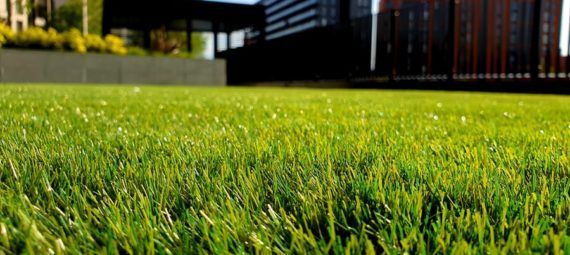
Overseeding lawn care guide: When, how and the best time to overseed You have worked so hard taking care of your yard, making sure your grass is getting just the right amount of irrigation and fertilization. When you mow, you are mowing at the appropriate length, ever so careful not to mow too short. You’re limiting footsteps from trampling pathways in your lawn and you are only allowing pets in certain areas of what is supposed to be your little slice of green heaven. So why is your green grass fading? Why is the thickness thinning to near balding, and the lushness feeling more like hay beneath your bare feet? What is Overseeding? Overseeding is the process of adding seed to your lawn that already exists so that you will have thicker grass that is greener and much lusher. Overseeding eliminates the necessity to turn your soil. If you overseed you are going to combat bare spots in your lawn, but it’s important to realize that there is a science to all aspects of lawn care and hiring a professional in North Caroline like Heffner Landscaping to assist you may be the least stressful and easiest way to achieve the beautiful lawn you desire. Why Overseed? Overseeding is one of the best choices for you if your lawn has been subjected to insect or disease damages, or drought stress that has stifled growth. If your lawn has fallen prey to any of these horrors, you will start seeing thinning grass, fading color and/or spots where your lawn seems to be balding. What are the Lawn Types in North Carolina There are several types of grass that will thrive very well in the climate of North Carolina: Bermuda Grass Centipede Grass Tall Fescue Fine Fescue Perennial Ryegrass Kentucky Bluegrass Zoysiagrass When overseeding, whether it be in the spring or fall, it is your opportunity to mix newer seed types in with your existing grass. If you just bought the home, it’s possible that the person who was caring for (or not caring for) your grass in the past utilized a seed that is not suitable for North Carolina and just isn’t resistant enough for disease and pest issues. Fall Overseeding If your lawn is one or more types of cool-season grasses fall is the optimal time to introduce new seeds. If your lawn has just a few problematic areas where it is damaged, thinning, or the soil is showing through then spot seeding is the more appropriate treatment for the problem. Overseeding is utilized when the entire lawn has thinned and needs to be treated as a whole. Spring Overseeding The proper time to overseed depends on the type of grass you already have. Overseeding in spring can produce pleasing results aesthetically for your lawn. If the overseeding process is performed early enough it will give the seedlings the time required to grow before the summer heat comes creeping in. Spring overseeding is quite similar to fall in the procedure and even benefits. It depends mostly on the type of grass you have as to whether or not you feel you should choose between the two rather than doing both. When choosing the spring process, it is important to monitor your soil moisture. Soft seedlings will need frequent watering but not in heavy doses in order to establish their roots before the soaring temperature and precipitation devoid days and nights of the summer roll in. How to Optimize Your Overseeding No matter if you overseed in the spring or fall, it will be greatly optimized when the process is combined with lawn aeration. Lawn aeration is the process of taking small plugs of soil from the lawn. This is called core aeration. This permits fertilizer, oxygen, and water to permeate the turfgrass roots and opens up the flow for seed-to-soil contact. The process promotes the germination of the seeds spread during overseeding and will encourage the growth of the young seedlings. Overseeding should be done first followed up by aeration. Aerating before overseeding can be beneficial as well but post-aeration is essential to get the best results from the overseeding process. How is Seed Applied when Overseeding? The seed is usually applied with either a rotary or a drop spreader. If the seeds are split down the middle each part is spread in a different direction you are giving the lawn a better chance to show the coverage of the overseeding process. Some folks may think that overseeding is just a matter of tossing grass seed in the yard and “Letting it do its thing” but there is much more involved in the process. Lawn care requires the know-how, the ins and outs of the specialized equipment and the timing of the follow-through process to make a program successful, the type of knowledge and professionalism offered by Heffner Landscaping.
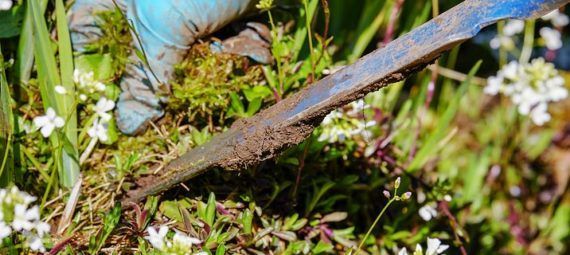
Important Tips For Controlling Weeds Today, lovely grounds surrounding homes in North Carolina benefit from vigorous weed control efforts. The specific measures used to prevent the growth of unwanted plants depends upon many factors. This brief article discusses some measures Heffner Landscaping recommends to help curb the growth of several common weeds. Why should homeowners and property management firms select a landscaping firm capable of implementing targeted weed control efforts? First, some widespread varieties of weeds thrive specifically because these opportunistic plant species grow vigorously in lawns and gardens. Unless controlled, they usurp resources essential for the survival of less robust, domesticated flowers and grasses. An uncontrolled weed population crowds out other, more desirable, plantings. Many weeds reproduce with ease. They flourish in harsh environmental conditions, and their seeds possess the capability to lie dormant for extended periods of time. Second, some weeds impact lawn and garden environments in unpleasant ways. For example, crabgrass, a notorious lawn villain, produces large quantities of sharp burrs. These hard, spiked seeds cling to clothing, pet fur, and exposed skin. They sometimes produce painful injuries, preventing people and their animal companions from fully enjoying lush green outdoor spaces. By taking appropriate steps to eliminate unwanted weeds from the yard, a skilled landscaping company assists clients in creating more comfortable residential settings. Weeds: A Diverse Group of Plants Heffner Landscaping strives to supply highly targeted methods for implementing weed control. Spraying herbicides indiscriminately across the grounds sometimes destroys valuable, helpful plant populations. This simplistic strategy may cause more harm than good. A “one size fits all” approach won’t work effectively in dealing with invasive weed infestations. Instead, we recommend directing control efforts towards specific problem plants. A variety of useful measures assists landscaping firms in this era. It requires the correct identification of weeds and the selection of the best preventative strategies A grounds keeper enjoys a number of useful methods for promoting the growth of certain plants and restricting the growth of others. Just consider a few of the approaches which may work well to destroy specific types of unwelcome weeds: Physically removing individual plants by hand Changing the soil pH to create unfavorable growing conditions for certain species Planting competitors Using targeted herbicides at specific times of the year Applying mulch or other coverings to prevent seed germination Controlling the distribution of essential garden resources, such as water or fertilizer. By using these measures in conjunction with knowledge about specific weeds, a careful gardener helps create a resilient, healthy landscape. Controlling Common Weeds Consider using these strategies to control common weed pests in Moore County. Weeding helps create stunningly beautiful, very healthy, lawns and gardens. By preventing the growth of weed populations, homeowners and their landscapers promote eye catching settings! CrabGrass Crabgrass infestations pose a significant problem in many parts of Moore County today. This annual plant spreads extensively from both underground roots and germinated burrs. If allowed to remain uncut, it may attain a height of 24 inches, more. It produces copious quantities of burrs beginning in mid-summer. They resist environmental changes and may remain dormant in a yard for up to three years. The best permanent solution for crabgrass involves immediate removal of the entire plant. Frequent, regular mowing also proves helpful. By trimming back this weed on a regular basis, homeowners help prevent the formation and spread of its burrs. However, since the grass blades may extend horizontally (as well as vertically), eliminating crabgrass offers a more effective long term solution. To prevent a resurgence of this noxious plant, take steps to encourage the development of thick, healthy turf. Dandelions Dandelions produce brightly colored golden flowers. Their leaves provide a great source of Vitamin A; earlier generation once cultivated this weed in vegetable plots. Unfortunately, dandelions (like many weeds) proliferate with gusto. They easily take over lawns and gardens in North Carolina, sending airborne, puffy seeds throughout the immediate vicinity. Unless property owners remove their roots completely, plucked dandelions will re-emerge again in the future. Experts recommend removing dandelions completely by digging out the taproot. Additionally, maintaining a lush lawn helps control the spread of this common weed. Pigweed Pigweed in the past did not pose an extensive problem in North Carolina, but this weed adapts and spreads vigorously and it has flourished during recent years. Often found growing near cotton and soybean crops, today it has reportedly reached locations as distant as Australia. Many experts recommend annual spring and fall mulching to prevent the development of pigweed infestations. Remove individual pigweed plants quickly through extraction of the tap root to help reduce the growth of this invasive pest. White Clover White clover, a popular source of nourishment for honey bees, constitutes a weed when it takes over lawns. Landscapers help prevent this result by ensuring lawns receive adequate quantities of nitrogen and phosphorous to encourage vigorous turf growth. (If you notice a significant growth of White Clover on your North Carolina grounds, consider obtaining regular lawn maintenance services from a company such as Heffner Landscaping. Common Ragweed This perennial weed creates discomfort for people who suffer from allergies by producing high volumes of pollen in the Spring and early Autumn. Control its growth in a lawn by mowing frequently. Developing a thick, healthy lawn helps control common ragweed infestations. In the worst case scenarios, it may prove useful to use limited applications of herbicides in badly infested yards. Contact Us Our company offers expert weed control assistance. We serve customers across Moore County. Request our services to help develop lovely lawns and gardens!
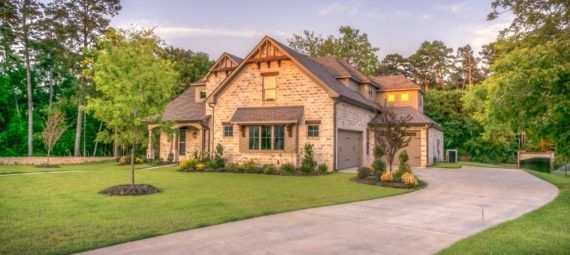
Why use a landscape contractor when you’re already pretty good at mowing the lawn yourself? Here are five benefits of hiring a professional landscaper that might surprise you. 1. Energy Efficiency Shade trees are an important way to connect outdoor design with environmental awareness. An expert landscaper can not only make your property greener but also make it “greener.” At Heffner Landscaping, we pride ourselves on caring for the environment. We try to minimize our own carbon footprint, and we can help you minimize yours too. Here are three ways a landscaper can make your greenery “greener:” Trees not only look beautiful; they can also provide mini-habitats for local wildlife. A single tree can act as an ecosystem that can support intricate webs of animals, plants and other helpful organisms. A professional landscaper can tell you what kinds of trees will be most supportive to your local flora and fauna. Trees also create oxygen and can act as carbon sinks. They soak up carbon dioxide and other harmful greenhouse gases that could otherwise end up in the atmosphere. If situated correctly, trees can help regulate the temperature in your home. This can lower your cooling and heating bills considerably and help to minimize your carbon footprint. According to data provided by the American Public Power Association, a well-designed yard with shade trees in strategic locations can bring your total air-conditioning bill down by as much as 50%. The tricky thing is, though, this won’t work by just planting any trees anywhere. Ask an expert landscaper to give you suggestions of which trees will be most helpful for our climate here in North Carolina, as well as where they should be planted. 2. Safety Landscaping isn’t just about the vegetation. An expert landscaper can actually make your property safer. Besides taking care of your flora, Heffner Landscaping also provides hardscaping services. Hardscaping is a kind of landscape architecture that involves manicuring the actual ground beneath your feet. We can add subtle physical touches to your garden, such as walkways, retaining walls, and patios. This can not only make it easier to get around, it can also make your yard safer. A well-placed and well-built pathway meandering through otherwise treacherous terrain can save you or a more fragile relative from a disastrous fall. Hardscaping can also make your property safer by installing a lighting system in your yard. Outdoor lighting can illuminate and beautify your home. It can highlight special features of your garden or be the perfect finishing touch to line your walkways. It can also be a safety hazard. Using a professional to install your outdoor lighting system is the best way to prevent fire hazards or electrocution. Professionally-installed pathways and patios can also help prevent trip hazards and property damage. 3. Noise Reduction Although it won’t work miracles, a properly-landscaped yard can help reduce unwanted noise on your property. A recent study by the Environmental Protection Agency showed that surrounding your home with the right kinds of trees in the right places can actually cut noise pollution in half. If street noises or loud neighbors are constantly grating on your ears, why not replace them with the sounds of North Carolina singing birds or peaceful rustling leaves? An expert landscaper can work with you to create a wall of natural sounds that can mask annoying wavelengths and keep the outside world outside. 4. Plant Health You may be able to notice when your plants or your lawn are doing really bad. Yellow grass and dry leaves are sure signs that something is wrong. An expert landscaper can read much subtler problem signs and address issues before they turn into catastrophes. Do you know how to keep your soil’s pH balance within its optimal range? Can you tell when your lawn needs more nitrogen and when it’s had too much? Your landscaper can. Landscapers are experts on plant health. We know how to promote plant growth and how to keep growth in check. We can tell when your garden needs fertilizing and when it needs pruning. If you don’t have the time to study up on drainage, transplanting or the effects of tree shade on the shrubs below it, just leave your yard in the hands of professionals. Expert landscapers have studied the latest tricks and treatments that can keep your lawn green and your plants thriving all year round. 5. Real Estate Value A professionally-landscaped property can attract home buyers like a beautiful garden attracts honeybees. You may not be thinking about selling your home any time soon, but regularly hiring expert landscapers can increase your property’s resale value in case you ever need to move. No one wants to buy a home with a tornado for a yard. If it isn’t already intuitively obvious, real estate statistics clearly demonstrate that 60% of buyers admit they base part of their decision about which home to buy on the condition of the yard. Keeping your grounds in tiptop shape is an investment in your future. A good rule of thumb we’ve found is that investing just 5% of your home’s value into landscaping can up its market value by as much as 15%. Bonus Point: Professional Equipment Most large-scale landscaping projects require the use of professional tools and equipment. Even if you’re willing to spend money on renting or buying the right equipment, you’ll still have to study up on how to use each one and find a place to store it all once the job is done. At Heffner Landscaping, we already have all the tools needed for every specialized job imaginable, and we’re experts at using them. Instead of building another storage shed on your property, you can hire North Carolina’s best landscapers to get the job done. We’ll bring all the equipment needed, take it with us when we leave, and you can use the extra space to plant another tree instead.

Heffner Landscaping – a premier, full-service landscaping company based in Southern Pines, N.C. – kicked off its aggressive growth strategy of expanding to 25 new locations in 10 years this past January. The company’s first new location came from acquiring an established landscaping business in Wilmington, N.C., after more than a year of planning and negotiations. Now past the seventh month mark in Wilmington, co-owner Forth Heffner said, “It’s going better than I even expected!” The acquired company was attractive to Forth and his co-owner/brother, Colby Heffner, because of the type of work and clients it had already established in the area. “We are looking for companies that have a solid maintenance base,” Forth explained, “recurring work and revenue.” The owners of Heffner Landscaping want to maintain a balance of 80% recurring, contracted maintenance and 20% projects, with landscaping projects coming from existing customers with maintenance contracts. “In business you want to be able to plan,” said Forth. “I want to have a good expectation of revenue and business because it helps plan labor, materials and future growth.” “Our expansion strategy is acquisition rather than starting from scratch,” said Forth. “Starting organically is riskier and more time-consuming.” With each acquisition, Forth and Colby aim to retain the current staff and train them as needed. “So far in Wilmington, we’ve had virtually no losses and the entire staff has transitioned well and stayed with the company,” said Forth. The primary value-add Heffner Landscaping brings to its new staff and clientele in Wilmington is its account manager program. “Our account manager program is what enables us to offer an exceptional level of service and is what sets us apart from other landscaping companies,” explained Forth. “Account managers are not senior-level people wearing multiple hats, they only service the account. This gives them the ability to be proactive and focus on service, solutions and ideas.” Heffner Landscaping is a second generation, family-owned business. To learn more about Heffner Landscaping, visit www.heffnerlandscaping.com .

Some homeowners mistakenly believe that North Carolina has the perfect climate for growing flowers. This is partially thanks to the state’s location. However, Heffner Landscaping understands the truth about growing flowers in North Carolina. We know that key elements can make planting flowers difficult in this state. For example, North Carolina is home to rather unfavorable soil when it comes to planting. Much of the ground contains clay. While it’s possible to grow plants in this type of soil, it takes a slightly different approach than in other states that have more fertile soil. We also know that North Carolina has had unseasonably warm weather recently, which has made it difficult for flowers that traditionally grow well in this state. To top it off, the large amount of rain in 2019 has created a difficult environment to grow plants for even the most seasoned gardeners. Thankfully, we have some tips to make planting and growing flowers in North Carolina easier. Keep in mind that if you ever need help with your lawn, you can count on us for all of your landscaping needs. Understanding the Soil Believe it or not, the first step to growing plants in North Carolina is to make sense of the clay soil. Good soil creates a strong foundation for plants. However, the red clay in North Carolina lacks much of the nutrients that plants need. It’s also too tightly packed and heavy for some flowers to grow freely. North Carolina isn’t the only state that deals with this type of soil. In fact, a number of southern states have problems with heavy, red clay soil. The particles in the soil are uniform, which makes them bind together tightly. As a result, it effectively smothers plants. It’s the same result as packing potting soil in a flower planter too tightly. Also, this red clay soil lacks microbial organisms. These organisms are responsible for creating much of the nutrients that plants eat in the soil. Like the plants, these organisms have a hard time thriving in clay soil. In addition, clay soil is very slow to drain. Once again, this has to do with how packed the soil is and the lack of air pockets. A lot of times, it causes root rot in plants because they sit in the water and are unable to breathe. Because of that, the roots of the plants may grow toward the surface since they don’t have to grow downward to find water. Both of these elements can cause problems for flowers. Improving North Carolina Soil In order to grow flowers in North Carolina, you have to improve the soil first. It’s not an easy task and typically requires the help of a professional landscaper. To start with, use minerals such as gypsum, lime and vermiculite. Each of these improves the quality of soil in a different way. For example, the lime adjusts the pH levels of the soil. On the other hand, gypsum improves aeration in compacted soil, which is a big problem for clay soil. Lastly, vermiculite increases aeration and improves moisture retention. Mixing in composted manure is a great way to add nutrients and enrich the soil as well. To slow the release of water, especially with how rainy North Carolina has become, homeowners can use peat moss. It absorbs water and slowly releases it to the roots of your flowering plants. How to Plant Flowers Planting flowers in North Carolina generally involves four steps. The first step is to choose where the flower garden will be. The location depends heavily on the areas that are available in your yard and the kinds of flowers that you plant. For example, flowers that require full sun, which require around six hours, need a spot that receives direct sunlight for most of the day. Partial-sun plants, however, only require about two hours of sunlight each day. The next step is to prepare the soil. Also, during this step, you should remove weeds or any other unwanted vegetation from the garden. Some weeds can choke out flowers and prevent them from growing. Next, it’s time to actually plant the flowers. Decide whether you want to grow flowers from seeds or use grown nursery plants. The perfect time to plant flowers depends on where in North Carolina that you live. For example, areas on the western side of the state don’t typically have the last frost until around mid-May. However, the southern and eastern parts of the state usually have the last frost between March and April. It’s important to start planting flowers after the last frost. The last step is to put the seeds or flowers into the ground. For small seeds, simply push them directly into the soil. If they’re larger, you might want to dig a small trench and place the seeds inside. Then, cover up the trench with soil and water the area. If you choose to plant mature flowers, you must dig holes that are about the same width and length as the pots that the flowers come in. Then, carefully remove the flowers from the containers. Before you put them into the ground, gently loosen up the roots to encourage them to grow downward into the soil. Like with the seeds, it’s important to water these new plants after you cover the roots with soil. Which Plants Grow in North Carolina? Because of the mild temperatures in most parts of North Carolina, you can plant a wide range of flowers. However, some of them thrive better in this state than in others. For places with hot temperatures, try planting zinnias. These flowers love hot, sunny lawns that get a lot of sun. They come in a wide variety of heights and colors. If you don’t want to do a ton of watering, periwinkles and portulacas are great choices. They don’t need a lot of water and come in a variety of interesting colors. Because they can grow with little watering, they’re perfect for summer homes. When your home and yard have a lot of shade, the ground doesn’t get a lot of sun and stays cooler. Torenias are a great choice for this type of lawn. These flowers, which are often violet and blue, thrive in shady environments. You Don’t Have to Do It Alone How to plant flowers in North Carolina You don’t have to plant your flowers yourself. You can reach out to Heffner Landscaping for all of your landscaping needs. We can help you with everything from planting flowers to mowing your lawn and much more. Call us at 910.692.2565 to set up an appointment.

At Heffner Landscaping, we understand that beautiful landscaping can make the exterior of your North Carolina home stand out among all others. This is true whether you have a large lawn of healthy grass or a more detailed landscape with flowers, plants, bushes, and trees. While the beauty can be easy to maintain when you have regular landscaping service, during the summer, you may find that things change more rapidly with your lawn. In order to help you keep your grass healthy, we’d like to share some of the most useful lawn care tips for the hottest months of the year. Our team is confident that these can help keep your grass green and thriving. 1. Get Out Your Lawn Mower If you aren’t close friends with your lawn mower, then we recommend getting acquainted as soon as possible. North Carolina summers promote quick growth for grass, so you’ll want to make it a priority to mow as often as you can. When doing so, it’s recommended to set your lawn mower blades on high. This longer length will allow the grass to absorb more sunlight throughout the day. This can result in greener grass that is ultimately healthier and more enjoyable to walk through as well. 2. Address Your Weeds We know how frustrating it can be to deal with weeds, especially since they can grow quickly during the summer. In general, it’s best to pull weeds on a daily basis in order to make the job easier. However, it’s important to pull at the base in order to get the roots out of the earth completely. If you are dealing with particularly difficult weeds or even crabgrass, which is common in North Carolina, then you may want to use herbicide or weed killer. Buy the highest quality product you can find and spray regularly in areas that are impacted by weeds or crabgrass. For fewer weeds, it’s also recommended to keep your lawn properly hydrated and fertilized. Regular mowing can also help minimize the number of weeds you see, making it even more beneficial. If you’re not sure what the best care for your lawn is, talk to a landscaping professional. They will let you know what you can do to get rid of stubborn weeds or address areas that are overrun by crab grass. 3. Wait to Fertilize We recommend fertilizing in the spring before North Carolina temperatures begin to soar. This will ensure you see healthy growth when summer is near and are able to prevent burn to your lawn from too much fertilizer. To identify how much potassium, phosphorus, and lime your lawn needs, you can conduct a soil test every two to three years. This will take the guess work out of fertilizing so you can more easily take care of it during the cooler months of the year. Tip: If you’re going to apply lime to your lawn, we recommend having this done in the winter using a rotary spreader. 4. Don’t Be Afraid of Insects It can be disheartening to see insects on your North Carolina lawn when you spend a lot of time taking care of it. However, insects can actually benefit the health of your lawn, so it’s important to keep some of them around. If you are still seeing too many, then you’ll want to apply a mild insecticide near the beginning of July or even end of June. By choosing a mild product, you’ll be able to keep your lawn healthy while minimizing some of the insects that North Carolina sees the most during the summer, such as Japanese Beetles and European Chafers. 5. Handle Rodents as They Come Rodents can be difficult to deal with during the summer, especially when they put holes in your lawn. In order to eliminate these from your beautiful grass, it’s best to have them humanely removed by professionals. You might also want to have deterrents put in place in order to prevent these rodents from returning. Once removed, you can address the damaged areas without worrying that the rodents will come back and cause damage right away. 6. Water Before It’s Hot Before the summer months hit, we recommend hydrating your lawn with about once inch of water per week. This can either be through the rain, a traditional garden hose, or a sprinkler system already set up. We suggest taking care of this in the morning so the soil is able to absorb the moisture before the sun dries it out. Tip: If you have an established irrigation system, then you may want to install a sprinkler timer. This can help save water by preventing your lawn from getting too much of it. 7. Aerate Yearly An important part of lawn care is aerating your lawn once per year. This will help prevent compaction in areas that experience a lot of foot traffic so each area can experience healthy growth. While it can be tempting to do this in the summer when you’re caring for your lawn the most, it’s best to do this in the fall or even early spring. Plug aerators tend to produce the best results, as these remove soil plugs to reduce compaction pressure. If you’re not sure how to do this yourself or don’t have the tools, you can have a professional take care of it before summer hits. 8. Use Your Lawn Clippings Don’t toss those lawn clippings away after you mow your lawn. Instead, re-distribute them around the lawn in order to provide the grass with essential nutrients. Extra clippings can also provide some shade to the grass to help prevent it from drying out when the temperatures rise particularly high. 9. Maintain Your Mower Since you’ll be mowing your lawn more frequently in the summer, you’ll need to make lawn mower maintenance a priority. The mower blades, in particular, should be kept sharp in order to prevent the grass from being improperly shredded. Most mower manufacturers recommend blade sharpening after you’ve mowed for 10 hours collectively. In addition to sharpening, you should also check your oil on a regular basis to avoid any issues as you work. We also recommend cleaning the undercarriage in order to prevent buildup of clippings. Read through your owner’s manual to learn about any other maintenance work you should do to keep your lawn mower optimally running. 10. Mow in Unique Patterns If you mow your lawn in the same pattern each time, this could cause excess wear and tear on the grass and soil. To avoid this, we recommend using unique mowing patterns each time you head outside. By changing things up, you can help prevent compaction from occurring throughout your lawn so it’s easier to keep it healthy. How Healthy is Your Lawn? At Heffner Landscaping, our priority is for your North Carolina home to shine with a healthy lawn in the summer. With the tips above and some hard work, we know you can make this a reality. However, if you don’t have the time or tools to take care of this, you can always have a professionally trained landscaper help you. Experts like ours have the knowledge, tools, and experience that will ensure you have green grass that you can be proud to show off.
Your landscaping is a big part of your home’s curb appeal. And, some landscaping features can even add to the value of your home. A beautifully landscaped lawn also shows pride in home ownership, enhancing the beauty of the entire neighborhood. Your lawn is also an ideal place to enjoy all of the beauty that Mother Nature has to offer during the warmer months. And, it’s the perfect place to host parties and family gatherings when the weather is nice, keeping all of that activity and most of the mess outside. Are you thinking about sprucing up your landscaping? Maybe it needs a little work, or you might just be thinking about some ways to add some features that would make your yard a little more enjoyable for you, your family, or your friends. Heffner Landscaping has been designing and maintaining the lawns of Moore County residents for over 30 years. Our team of landscape design professionals are actually responsible for much of the beauty that you see around your community. And, our horticultural experts work hand-in-hand with our design team, keeping abreast of the latest landscaping trends. At Heffner Landscaping, we still stand by the foundation of basics that our company was built on by providing exceptional service, professionalism, and high-quality service. We also realize the value of incorporating trends and the latest innovations into your landscaping design. Here are nine ideas for 2019 summer landscaping design trends that might be just what you are looking for to create a little more outdoor appeal in your yard. 1. Eco-friendly Landscaping The focus on improving our environment is an ever-growing and increasingly important trend, and there are a few different ways that you can add some improvements to your landscaping that will be beneficial to the environment. Use plants that are native to your environment. They’ll not only thrive better, but having more plants that are a natural part of your surroundings helps to keep that delicate balance of nature, supporting other ecosystems that depend on them for life. Our global supply of water has been decreasing at an alarming rate, causing all of us to look for ways to reduce our consumption of water. While your landscaping may need some sort of irrigation system, our team of specialists are well-versed in all of the latest water-saving methods. You can reduce the impact of your carbon footprint on the environment by utilizing recycled wood and other materials for the construction of your landscaping projects. You could also convert any existing structures into more attractive landscape features. Sticks, leaves, pine cones, and other natural yard waste can actually be transformed into beautifully creative landscaping accessories. If you end up with more food from your garden than you can consume, you could help out your community by donating them to a local shelter. We can also help you if you are looking for greener solutions to keep your landscaping beautiful. There are a few different ways that we can embrace the beauty of nature and minimize, if not eliminate entirely, the use of harmful pesticides. 2. Gardens Gardens are very trendy for both producing your own flowers and your own food. They’re also great for conversation when you have company over. We’ll not only help you plan where to put a garden, but if you’d like any decorative fencing or enclosures added to really set it off, we’ve got you covered. Gardens are a beautiful and functional way to enhance the appeal of your landscaping. 3. Use Food for Ornamental Plants Accentuate the look of any area of your landscaping with ornamental planters growing food-bearing plants. You could also have planters hanging or under windowsills for herbs and smaller veggies. Not only is growing your own food trendy, it’s also very convenient if you have a tomato ready to pick when you need one. 4. Perennials They’ll always be popular because they come back every year, unlike annuals. We can help you choose the best perennials for your particular landscaping, and even guide you through when they bloom. That way, you’ll have blooms from all of the different varieties throughout the entire growing season. 5. Conversation Areas You may already have a patio or deck where you can relax or entertain outdoors. But, how about adding another area that might be a little more private but still flows well with the rest of your landscaping. Here a few ideas. Fire pits: There is just something calming about sitting around the glowing embers of a fire on a cool, summer night. You can buy fire pits that are already constructed or have one custom designed and installed for you. Add a few comfy chairs, and you’re all set. Serenity garden: We can help you find an area in your yard where you can carve out a serenity garden with a some comfortable seating, pathways, and naturally defined growing areas. You could use some of the existing foliage, and add in different plants that appeal to you. It’s almost like having a cozy living room in your backyard. Fountains: The almost mesmerizing sound of water softly flowing is always an attractive addition to any landscaping design. They can even be the focal point of an outdoor seating area. 6. Add an Outdoor Kitchen The only bad thing about having outdoor get-togethers is that someone usually gets stuck inside of the house most of the time preparing all of the food. But, not if you have a kitchen outside. We can build your own chef’s kitchen on, or around, your existing patio area. Then, you’ll be outside with all of your guests, interacting with them while you’re doing all of the cooking. You might even get a little help. 7. Pergolas are Trendy Another gorgeous addition to your landscaping, pergolas can provide just the right amount of shade while still letting some natural light flow through. We can show you some great styles and even show you examples of some of the pergolas that we’ve built. You can have them over your deck, or you can build one in the yard creating another patio area. 8. Planning for Animals Why fight the inevitable? Just because you have pets or live where there is wildlife doesn’t mean that your landscaping has to suffer. You can actually plan some areas where they can roam and not cause damage. We can help you create an out-of-the-way area where your dog can do their business. And, there are some natural attractants that you can put in safe places to at least somewhat corral the wildlife if they decide to visit. 9. Those Little Extras It’s always the details that really matter, right? Here are a few things that you could think about that would really add some value to your landscaping. How about a water-proof sound system for outdoor music? Quality always matters, especially when you are choosing outdoor furniture. And, think about the relaxing and lounging capabilities of the furniture when you are considering it. Outdoor lighting in various spots is always a nice touch. Dwarf shrubs are ideal for larger homes without a lot of landscaping space. If you’re ready to see the real potential of your landscaping, give us a call today and let us know what you are thinking about. Our team of design experts will meet with you, get a feel for what you’re looking for, look at the space you have to work with, and provide with the best options to achieve the backyard of your dreams. You’ll quickly see how Heffner Landscaping has been satisfying so many Moore County residents for so many years.
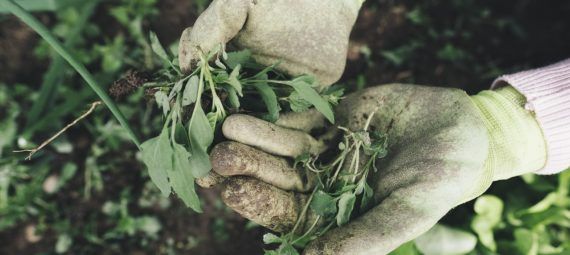
Although some plants described as “weeds” can coexist with other plants in a lawn or garden without causing damage, most weeds harm cultivated plants in a wide variety of ways. Some visually attractive weeds, such as dandelion (Taraxacum officinale), purslane (Portulaca oleracea), ragweed (Ambrosia artemisiifolia), horsetail (Equisetum arvense) and bull thistle (Cirsium vulgare), aren’t worth keeping around for this reason. Weeds also become more difficult to remove as they grow out of control. Consider the following: Plants That Harm a Landscape 1. Weeds outgrow nearby plants: As weeds grow in your lawn or garden, they take over the spaces between your carefully chosen plants and then spread to spaces that cultivated plants normally occupy. Most weeds have a fast growth rate. They can even spread out underground far more rapidly than what you see above ground. When this happens, cultivated plants fail to grow at their normal rates because they don’t receive enough water, light and nutrients. Weeds that spread rapidly above ground like Japanese honeysuckle (Lonicera japonica) and Devil’s Tail or Mile-A-Minute (Persicaria perfoliata) harm nearby plants by blanketing them quickly with foliage. Many weeds also produce a high volume of seeds that can stay dormant in the ground long after they drop. The Giant Hogweed (Heracleum mantegazzianum), a biennial exotic plant from the carrot family originally introduced to the United States as both a soil erosion and an ornamental plant, can disperse 20,000 to 100,000 seeds per plant after flowering depending on the size of the plant. Worse yet, the seeds can remain dormant for approximately 15 years. 2. Weeds behave like parasites: Every plant in a garden again needs a specific balance of water, light and food to thrive. Weeds usually take over the environment quickly to such a huge extent that they prevent garden plants from having access to resources. As they grow larger and spread, weeds use up the water and nutrients in the soil that your plants need to stay healthy. Although the result of this parasitic behavior varies based on the type of weed and the nearby plant species, weeds can cause one or more of your plants to become permanently twisted, stunted, discolored, diseased or withered and can introduce a bacterial, fungal or an insect infestation. They can also make it hard for your cultivated plants to flower and produce fruits and seeds. In addition, some weeds kill a plant through parasitic behavior by directly attaching to the plant’s roots, stem or branches and consuming all of its nutrients. More Than a Lawn and Garden Nightmare 1. Weeds can set off allergies and sensitivities: As with any plant, weeds create pollen and scents that can adversely affect people who have allergies and sensitivities and those who never had a problem before exposure. Some weeds also have sap, thorns and tiny hairs that cause reactions. Ragweed pollen, for example, can cause wheezing in people who don’t normally have asthma. Some people who have certain types of food allergies can have the same reactions to certain weeds because their immune systems can’t tell the difference between the plant proteins. For example, a person with a banana, cucumber, melon or sunflower seed allergy is more likely to react to ragweed. Even if the food allergy is mild, they might experience worse symptoms if they’re exposed to ragweed around the same time they ingest one of these cross-reaction foods. You can also have a wide range of skin reactions to various weeds, such as spot and spread rashes, itching and blistering. 2. Weeds can cause various severe injuries Many weeds are toxic. As a result, some toxic weeds that grow too close to a water source can poison drinking water. If a healthy adult touches or eats these weeds, they can become extremely ill or possibly die. The elderly, small children and pets are at higher risk of experiencing injury when exposed to certain types of weeds. Additionally, some weeds cause extreme burns. For example, the sap of Giant Hogweed can cause chemical burns that worsen with exposure to the ultraviolet part of sunlight. The plant can grow as tall as 15-feet high and four inches across. Its roots spread quickly through the ground. Although it looks beautiful and shares a similar white flowering top as Queen Anne’s Lace (Daucus carota) and Poison Hemlock (Conium maculatum) on a much grander scale, common exposure injuries include painful rash, blistering and swelling and permanent purple marks and scars. Depending on the amount of exposure, Giant Hogweed’s sap can even cause temporary or permanent blindness. Top Weed Prevention Measures 1. Physically remove the weeds: You can prevent seed dispersal and overgrowth if you remove weeds from the soil as soon as you see them. Removal of new growth also reduces the amount of time and effort that’s usually necessary to remove a full grown plant. Keep in mind that you should always pull and dig with your hands as much as possible to prevent above- and below-ground damage to your cultivated plants. If you need to use garden tools to dig up a weed, such as when trying to dig up a bull thistle that has a thick or long taproot, always perform the task as carefully as possible. 2. Cut the tops of weeds: If you don’t have time to pull weeds on a regular basis, cut off the flowers and seed heads instead to slow overall plant growth and spread. This action also helps reduce the amount of new growth next year. To cut weeds after mowing your lawn, mow again with the mower blade set to a higher position than the height of your grass. In your garden, use a trimmer or pruning shears to handle individual plants. 3. Till only when absolutely necessary: Tilling can bring old, dormant seeds to the surface where sunlight and the right conditions can cause them to sprout a new generation of weeds all over your lawn or garden. Till only when you need to introduce air, organic materials and nutrients into a garden bed. Since dormant seeds don’t begin to germinate until you bring them to the surface, never disturb soil too far below the recommended seed or seedling planting depth for different plants unless you have no other choice. 4. Stop new growth in unused soil: Plant all of your garden plants as close together as possible to stop weeds from spreading in open soil areas. Water your garden plants only and leave the spaces, and weeds, between these plants dry to dehydrate and kill any weeds that pop up. You can also use organic mulch between plants to stop new growth. If you live in a climate that experiences cold weather, prevent weed seeds dispersed by air and animals from growing in open areas by covering the soil entirely with organic mulch or seasonal cover crops. 5. Use caution when handling new plants: For your lawn, consider using sod instead of grass seed. With sod, you can see if the sod has weeds already in it. Also, not only does grass seed leave gaps in the soil that make it easier for weeds to sprout up, but birds are far more likely to accidentally transfer weed seeds from other areas to your lawn while feeding on grass seed. To guarantee that you have removed any tiny seeds from weeds sticking to newly purchased cultivated plants, rinse the plants under lukewarm water thoroughly before planting them. It’s important to remember that the act of simply removing a weed from the ground or a garden box can lead to physical harm. Wear a long sleeve shirt, pants, gloves and a mask when removing weeds to prevent reactions and injuries. For more information about weed removal or other landscaping topics, check out our blog page or contact our team of lawn and garden experts.
As of April 1, 2019, Heffner Landscaping is providing all-inclusive landscaping services to residential and commercial properties in Raleigh, Durham and Chapel Hill, NC. The Southern Pines-based landscaping company is a second-generation family business that is now co-owned by brothers Forth and Colby Heffner. The company offers full-service landscaping with capabilities spanning from designing and building hardscapes, year-round landscaping maintenance plans, and even snow removal. Plans for expansion officially began in 2016 and came to fruition after Heffner Landscaping signed a large commercial account in the Triangle area earlier this year. “As a business owner, expansion is always in the back of your mind,” said Forth. “Afterall, if you’re not growing, you’re stagnating if not dying.” The brothers’ motivation for growing the family business comes from this kind of ambition as well as the need for more opportunities. What drew Forth and Colby to the Triangle is the area’s development. North Carolina’s population growth is among the top 10 in the country, with a high concentration of it taking place in the Triangle area. The research triangle, as it is otherwise known as, also has become a leader in several industries. “The Triangle is growing rapidly,” Forth said, “and we want to be a part of that growth.” Heffner landscaping is already established in the area with local, dedicated crews servicing Raleigh, Durham and Chapel Hill. “One of our main goals this year is to increase our brand awareness in the Triangle,” continued Forth. A high level of both service and quality are what set Heffner Landscaping apart from other landscaping companies. “What we do is more than just lawn mowing,” Forth explained. “Our team of account managers – who are horticulturists and landscaping experts themselves – bring ideas, potential problems and solutions to clients before being asked.” The relationships between account managers and clients along with the highest quality of work in Moore country is why Heffner Landscaping has won awards like Best of the Pines. “This is the number one value add that we are bringing to homes and businesses in the Triangle area,” Forth said. To learn more about Heffner Landscaping, visit www.heffnerlandscaping.com .