
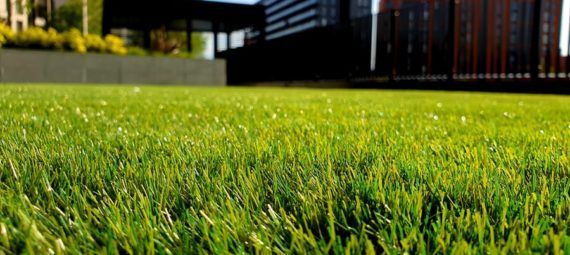
Overseeding lawn care guide: When, how and the best time to overseed You have worked so hard taking care of your yard, making sure your grass is getting just the right amount of irrigation and fertilization. When you mow, you are mowing at the appropriate length, ever so careful not to mow too short. You’re limiting footsteps from trampling pathways in your lawn and you are only allowing pets in certain areas of what is supposed to be your little slice of green heaven. So why is your green grass fading? Why is the thickness thinning to near balding, and the lushness feeling more like hay beneath your bare feet? What is Overseeding? Overseeding is the process of adding seed to your lawn that already exists so that you will have thicker grass that is greener and much lusher. Overseeding eliminates the necessity to turn your soil. If you overseed you are going to combat bare spots in your lawn, but it’s important to realize that there is a science to all aspects of lawn care and hiring a professional in North Caroline like Heffner Landscaping to assist you may be the least stressful and easiest way to achieve the beautiful lawn you desire. Why Overseed? Overseeding is one of the best choices for you if your lawn has been subjected to insect or disease damages, or drought stress that has stifled growth. If your lawn has fallen prey to any of these horrors, you will start seeing thinning grass, fading color and/or spots where your lawn seems to be balding. What are the Lawn Types in North Carolina There are several types of grass that will thrive very well in the climate of North Carolina: Bermuda Grass Centipede Grass Tall Fescue Fine Fescue Perennial Ryegrass Kentucky Bluegrass Zoysiagrass When overseeding, whether it be in the spring or fall, it is your opportunity to mix newer seed types in with your existing grass. If you just bought the home, it’s possible that the person who was caring for (or not caring for) your grass in the past utilized a seed that is not suitable for North Carolina and just isn’t resistant enough for disease and pest issues. Fall Overseeding If your lawn is one or more types of cool-season grasses fall is the optimal time to introduce new seeds. If your lawn has just a few problematic areas where it is damaged, thinning, or the soil is showing through then spot seeding is the more appropriate treatment for the problem. Overseeding is utilized when the entire lawn has thinned and needs to be treated as a whole. Spring Overseeding The proper time to overseed depends on the type of grass you already have. Overseeding in spring can produce pleasing results aesthetically for your lawn. If the overseeding process is performed early enough it will give the seedlings the time required to grow before the summer heat comes creeping in. Spring overseeding is quite similar to fall in the procedure and even benefits. It depends mostly on the type of grass you have as to whether or not you feel you should choose between the two rather than doing both. When choosing the spring process, it is important to monitor your soil moisture. Soft seedlings will need frequent watering but not in heavy doses in order to establish their roots before the soaring temperature and precipitation devoid days and nights of the summer roll in. How to Optimize Your Overseeding No matter if you overseed in the spring or fall, it will be greatly optimized when the process is combined with lawn aeration. Lawn aeration is the process of taking small plugs of soil from the lawn. This is called core aeration. This permits fertilizer, oxygen, and water to permeate the turfgrass roots and opens up the flow for seed-to-soil contact. The process promotes the germination of the seeds spread during overseeding and will encourage the growth of the young seedlings. Overseeding should be done first followed up by aeration. Aerating before overseeding can be beneficial as well but post-aeration is essential to get the best results from the overseeding process. How is Seed Applied when Overseeding? The seed is usually applied with either a rotary or a drop spreader. If the seeds are split down the middle each part is spread in a different direction you are giving the lawn a better chance to show the coverage of the overseeding process. Some folks may think that overseeding is just a matter of tossing grass seed in the yard and “Letting it do its thing” but there is much more involved in the process. Lawn care requires the know-how, the ins and outs of the specialized equipment and the timing of the follow-through process to make a program successful, the type of knowledge and professionalism offered by Heffner Landscaping.
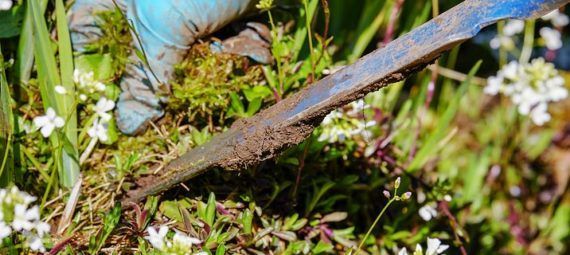
Important Tips For Controlling Weeds Today, lovely grounds surrounding homes in North Carolina benefit from vigorous weed control efforts. The specific measures used to prevent the growth of unwanted plants depends upon many factors. This brief article discusses some measures Heffner Landscaping recommends to help curb the growth of several common weeds. Why should homeowners and property management firms select a landscaping firm capable of implementing targeted weed control efforts? First, some widespread varieties of weeds thrive specifically because these opportunistic plant species grow vigorously in lawns and gardens. Unless controlled, they usurp resources essential for the survival of less robust, domesticated flowers and grasses. An uncontrolled weed population crowds out other, more desirable, plantings. Many weeds reproduce with ease. They flourish in harsh environmental conditions, and their seeds possess the capability to lie dormant for extended periods of time. Second, some weeds impact lawn and garden environments in unpleasant ways. For example, crabgrass, a notorious lawn villain, produces large quantities of sharp burrs. These hard, spiked seeds cling to clothing, pet fur, and exposed skin. They sometimes produce painful injuries, preventing people and their animal companions from fully enjoying lush green outdoor spaces. By taking appropriate steps to eliminate unwanted weeds from the yard, a skilled landscaping company assists clients in creating more comfortable residential settings. Weeds: A Diverse Group of Plants Heffner Landscaping strives to supply highly targeted methods for implementing weed control. Spraying herbicides indiscriminately across the grounds sometimes destroys valuable, helpful plant populations. This simplistic strategy may cause more harm than good. A “one size fits all” approach won’t work effectively in dealing with invasive weed infestations. Instead, we recommend directing control efforts towards specific problem plants. A variety of useful measures assists landscaping firms in this era. It requires the correct identification of weeds and the selection of the best preventative strategies A grounds keeper enjoys a number of useful methods for promoting the growth of certain plants and restricting the growth of others. Just consider a few of the approaches which may work well to destroy specific types of unwelcome weeds: Physically removing individual plants by hand Changing the soil pH to create unfavorable growing conditions for certain species Planting competitors Using targeted herbicides at specific times of the year Applying mulch or other coverings to prevent seed germination Controlling the distribution of essential garden resources, such as water or fertilizer. By using these measures in conjunction with knowledge about specific weeds, a careful gardener helps create a resilient, healthy landscape. Controlling Common Weeds Consider using these strategies to control common weed pests in Moore County. Weeding helps create stunningly beautiful, very healthy, lawns and gardens. By preventing the growth of weed populations, homeowners and their landscapers promote eye catching settings! CrabGrass Crabgrass infestations pose a significant problem in many parts of Moore County today. This annual plant spreads extensively from both underground roots and germinated burrs. If allowed to remain uncut, it may attain a height of 24 inches, more. It produces copious quantities of burrs beginning in mid-summer. They resist environmental changes and may remain dormant in a yard for up to three years. The best permanent solution for crabgrass involves immediate removal of the entire plant. Frequent, regular mowing also proves helpful. By trimming back this weed on a regular basis, homeowners help prevent the formation and spread of its burrs. However, since the grass blades may extend horizontally (as well as vertically), eliminating crabgrass offers a more effective long term solution. To prevent a resurgence of this noxious plant, take steps to encourage the development of thick, healthy turf. Dandelions Dandelions produce brightly colored golden flowers. Their leaves provide a great source of Vitamin A; earlier generation once cultivated this weed in vegetable plots. Unfortunately, dandelions (like many weeds) proliferate with gusto. They easily take over lawns and gardens in North Carolina, sending airborne, puffy seeds throughout the immediate vicinity. Unless property owners remove their roots completely, plucked dandelions will re-emerge again in the future. Experts recommend removing dandelions completely by digging out the taproot. Additionally, maintaining a lush lawn helps control the spread of this common weed. Pigweed Pigweed in the past did not pose an extensive problem in North Carolina, but this weed adapts and spreads vigorously and it has flourished during recent years. Often found growing near cotton and soybean crops, today it has reportedly reached locations as distant as Australia. Many experts recommend annual spring and fall mulching to prevent the development of pigweed infestations. Remove individual pigweed plants quickly through extraction of the tap root to help reduce the growth of this invasive pest. White Clover White clover, a popular source of nourishment for honey bees, constitutes a weed when it takes over lawns. Landscapers help prevent this result by ensuring lawns receive adequate quantities of nitrogen and phosphorous to encourage vigorous turf growth. (If you notice a significant growth of White Clover on your North Carolina grounds, consider obtaining regular lawn maintenance services from a company such as Heffner Landscaping. Common Ragweed This perennial weed creates discomfort for people who suffer from allergies by producing high volumes of pollen in the Spring and early Autumn. Control its growth in a lawn by mowing frequently. Developing a thick, healthy lawn helps control common ragweed infestations. In the worst case scenarios, it may prove useful to use limited applications of herbicides in badly infested yards. Contact Us Our company offers expert weed control assistance. We serve customers across Moore County. Request our services to help develop lovely lawns and gardens!

Why use a landscape contractor when you’re already pretty good at mowing the lawn yourself? Here are five benefits of hiring a professional landscaper that might surprise you. 1. Energy Efficiency Shade trees are an important way to connect outdoor design with environmental awareness. An expert landscaper can not only make your property greener but also make it “greener.” At Heffner Landscaping, we pride ourselves on caring for the environment. We try to minimize our own carbon footprint, and we can help you minimize yours too. Here are three ways a landscaper can make your greenery “greener:” Trees not only look beautiful; they can also provide mini-habitats for local wildlife. A single tree can act as an ecosystem that can support intricate webs of animals, plants and other helpful organisms. A professional landscaper can tell you what kinds of trees will be most supportive to your local flora and fauna. Trees also create oxygen and can act as carbon sinks. They soak up carbon dioxide and other harmful greenhouse gases that could otherwise end up in the atmosphere. If situated correctly, trees can help regulate the temperature in your home. This can lower your cooling and heating bills considerably and help to minimize your carbon footprint. According to data provided by the American Public Power Association, a well-designed yard with shade trees in strategic locations can bring your total air-conditioning bill down by as much as 50%. The tricky thing is, though, this won’t work by just planting any trees anywhere. Ask an expert landscaper to give you suggestions of which trees will be most helpful for our climate here in North Carolina, as well as where they should be planted. 2. Safety Landscaping isn’t just about the vegetation. An expert landscaper can actually make your property safer. Besides taking care of your flora, Heffner Landscaping also provides hardscaping services. Hardscaping is a kind of landscape architecture that involves manicuring the actual ground beneath your feet. We can add subtle physical touches to your garden, such as walkways, retaining walls, and patios. This can not only make it easier to get around, it can also make your yard safer. A well-placed and well-built pathway meandering through otherwise treacherous terrain can save you or a more fragile relative from a disastrous fall. Hardscaping can also make your property safer by installing a lighting system in your yard. Outdoor lighting can illuminate and beautify your home. It can highlight special features of your garden or be the perfect finishing touch to line your walkways. It can also be a safety hazard. Using a professional to install your outdoor lighting system is the best way to prevent fire hazards or electrocution. Professionally-installed pathways and patios can also help prevent trip hazards and property damage. 3. Noise Reduction Although it won’t work miracles, a properly-landscaped yard can help reduce unwanted noise on your property. A recent study by the Environmental Protection Agency showed that surrounding your home with the right kinds of trees in the right places can actually cut noise pollution in half. If street noises or loud neighbors are constantly grating on your ears, why not replace them with the sounds of North Carolina singing birds or peaceful rustling leaves? An expert landscaper can work with you to create a wall of natural sounds that can mask annoying wavelengths and keep the outside world outside. 4. Plant Health You may be able to notice when your plants or your lawn are doing really bad. Yellow grass and dry leaves are sure signs that something is wrong. An expert landscaper can read much subtler problem signs and address issues before they turn into catastrophes. Do you know how to keep your soil’s pH balance within its optimal range? Can you tell when your lawn needs more nitrogen and when it’s had too much? Your landscaper can. Landscapers are experts on plant health. We know how to promote plant growth and how to keep growth in check. We can tell when your garden needs fertilizing and when it needs pruning. If you don’t have the time to study up on drainage, transplanting or the effects of tree shade on the shrubs below it, just leave your yard in the hands of professionals. Expert landscapers have studied the latest tricks and treatments that can keep your lawn green and your plants thriving all year round. 5. Real Estate Value A professionally-landscaped property can attract home buyers like a beautiful garden attracts honeybees. You may not be thinking about selling your home any time soon, but regularly hiring expert landscapers can increase your property’s resale value in case you ever need to move. No one wants to buy a home with a tornado for a yard. If it isn’t already intuitively obvious, real estate statistics clearly demonstrate that 60% of buyers admit they base part of their decision about which home to buy on the condition of the yard. Keeping your grounds in tiptop shape is an investment in your future. A good rule of thumb we’ve found is that investing just 5% of your home’s value into landscaping can up its market value by as much as 15%. Bonus Point: Professional Equipment Most large-scale landscaping projects require the use of professional tools and equipment. Even if you’re willing to spend money on renting or buying the right equipment, you’ll still have to study up on how to use each one and find a place to store it all once the job is done. At Heffner Landscaping, we already have all the tools needed for every specialized job imaginable, and we’re experts at using them. Instead of building another storage shed on your property, you can hire North Carolina’s best landscapers to get the job done. We’ll bring all the equipment needed, take it with us when we leave, and you can use the extra space to plant another tree instead.

Heffner Landscaping – a premier, full-service landscaping company based in Southern Pines, N.C. – kicked off its aggressive growth strategy of expanding to 25 new locations in 10 years this past January. The company’s first new location came from acquiring an established landscaping business in Wilmington, N.C., after more than a year of planning and negotiations. Now past the seventh month mark in Wilmington, co-owner Forth Heffner said, “It’s going better than I even expected!” The acquired company was attractive to Forth and his co-owner/brother, Colby Heffner, because of the type of work and clients it had already established in the area. “We are looking for companies that have a solid maintenance base,” Forth explained, “recurring work and revenue.” The owners of Heffner Landscaping want to maintain a balance of 80% recurring, contracted maintenance and 20% projects, with landscaping projects coming from existing customers with maintenance contracts. “In business you want to be able to plan,” said Forth. “I want to have a good expectation of revenue and business because it helps plan labor, materials and future growth.” “Our expansion strategy is acquisition rather than starting from scratch,” said Forth. “Starting organically is riskier and more time-consuming.” With each acquisition, Forth and Colby aim to retain the current staff and train them as needed. “So far in Wilmington, we’ve had virtually no losses and the entire staff has transitioned well and stayed with the company,” said Forth. The primary value-add Heffner Landscaping brings to its new staff and clientele in Wilmington is its account manager program. “Our account manager program is what enables us to offer an exceptional level of service and is what sets us apart from other landscaping companies,” explained Forth. “Account managers are not senior-level people wearing multiple hats, they only service the account. This gives them the ability to be proactive and focus on service, solutions and ideas.” Heffner Landscaping is a second generation, family-owned business. To learn more about Heffner Landscaping, visit www.heffnerlandscaping.com .

Some homeowners mistakenly believe that North Carolina has the perfect climate for growing flowers. This is partially thanks to the state’s location. However, Heffner Landscaping understands the truth about growing flowers in North Carolina. We know that key elements can make planting flowers difficult in this state. For example, North Carolina is home to rather unfavorable soil when it comes to planting. Much of the ground contains clay. While it’s possible to grow plants in this type of soil, it takes a slightly different approach than in other states that have more fertile soil. We also know that North Carolina has had unseasonably warm weather recently, which has made it difficult for flowers that traditionally grow well in this state. To top it off, the large amount of rain in 2019 has created a difficult environment to grow plants for even the most seasoned gardeners. Thankfully, we have some tips to make planting and growing flowers in North Carolina easier. Keep in mind that if you ever need help with your lawn, you can count on us for all of your landscaping needs. Understanding the Soil Believe it or not, the first step to growing plants in North Carolina is to make sense of the clay soil. Good soil creates a strong foundation for plants. However, the red clay in North Carolina lacks much of the nutrients that plants need. It’s also too tightly packed and heavy for some flowers to grow freely. North Carolina isn’t the only state that deals with this type of soil. In fact, a number of southern states have problems with heavy, red clay soil. The particles in the soil are uniform, which makes them bind together tightly. As a result, it effectively smothers plants. It’s the same result as packing potting soil in a flower planter too tightly. Also, this red clay soil lacks microbial organisms. These organisms are responsible for creating much of the nutrients that plants eat in the soil. Like the plants, these organisms have a hard time thriving in clay soil. In addition, clay soil is very slow to drain. Once again, this has to do with how packed the soil is and the lack of air pockets. A lot of times, it causes root rot in plants because they sit in the water and are unable to breathe. Because of that, the roots of the plants may grow toward the surface since they don’t have to grow downward to find water. Both of these elements can cause problems for flowers. Improving North Carolina Soil In order to grow flowers in North Carolina, you have to improve the soil first. It’s not an easy task and typically requires the help of a professional landscaper. To start with, use minerals such as gypsum, lime and vermiculite. Each of these improves the quality of soil in a different way. For example, the lime adjusts the pH levels of the soil. On the other hand, gypsum improves aeration in compacted soil, which is a big problem for clay soil. Lastly, vermiculite increases aeration and improves moisture retention. Mixing in composted manure is a great way to add nutrients and enrich the soil as well. To slow the release of water, especially with how rainy North Carolina has become, homeowners can use peat moss. It absorbs water and slowly releases it to the roots of your flowering plants. How to Plant Flowers Planting flowers in North Carolina generally involves four steps. The first step is to choose where the flower garden will be. The location depends heavily on the areas that are available in your yard and the kinds of flowers that you plant. For example, flowers that require full sun, which require around six hours, need a spot that receives direct sunlight for most of the day. Partial-sun plants, however, only require about two hours of sunlight each day. The next step is to prepare the soil. Also, during this step, you should remove weeds or any other unwanted vegetation from the garden. Some weeds can choke out flowers and prevent them from growing. Next, it’s time to actually plant the flowers. Decide whether you want to grow flowers from seeds or use grown nursery plants. The perfect time to plant flowers depends on where in North Carolina that you live. For example, areas on the western side of the state don’t typically have the last frost until around mid-May. However, the southern and eastern parts of the state usually have the last frost between March and April. It’s important to start planting flowers after the last frost. The last step is to put the seeds or flowers into the ground. For small seeds, simply push them directly into the soil. If they’re larger, you might want to dig a small trench and place the seeds inside. Then, cover up the trench with soil and water the area. If you choose to plant mature flowers, you must dig holes that are about the same width and length as the pots that the flowers come in. Then, carefully remove the flowers from the containers. Before you put them into the ground, gently loosen up the roots to encourage them to grow downward into the soil. Like with the seeds, it’s important to water these new plants after you cover the roots with soil. Which Plants Grow in North Carolina? Because of the mild temperatures in most parts of North Carolina, you can plant a wide range of flowers. However, some of them thrive better in this state than in others. For places with hot temperatures, try planting zinnias. These flowers love hot, sunny lawns that get a lot of sun. They come in a wide variety of heights and colors. If you don’t want to do a ton of watering, periwinkles and portulacas are great choices. They don’t need a lot of water and come in a variety of interesting colors. Because they can grow with little watering, they’re perfect for summer homes. When your home and yard have a lot of shade, the ground doesn’t get a lot of sun and stays cooler. Torenias are a great choice for this type of lawn. These flowers, which are often violet and blue, thrive in shady environments. You Don’t Have to Do It Alone How to plant flowers in North Carolina You don’t have to plant your flowers yourself. You can reach out to Heffner Landscaping for all of your landscaping needs. We can help you with everything from planting flowers to mowing your lawn and much more. Call us at 910.692.2565 to set up an appointment.

At Heffner Landscaping, we understand that beautiful landscaping can make the exterior of your North Carolina home stand out among all others. This is true whether you have a large lawn of healthy grass or a more detailed landscape with flowers, plants, bushes, and trees. While the beauty can be easy to maintain when you have regular landscaping service, during the summer, you may find that things change more rapidly with your lawn. In order to help you keep your grass healthy, we’d like to share some of the most useful lawn care tips for the hottest months of the year. Our team is confident that these can help keep your grass green and thriving. 1. Get Out Your Lawn Mower If you aren’t close friends with your lawn mower, then we recommend getting acquainted as soon as possible. North Carolina summers promote quick growth for grass, so you’ll want to make it a priority to mow as often as you can. When doing so, it’s recommended to set your lawn mower blades on high. This longer length will allow the grass to absorb more sunlight throughout the day. This can result in greener grass that is ultimately healthier and more enjoyable to walk through as well. 2. Address Your Weeds We know how frustrating it can be to deal with weeds, especially since they can grow quickly during the summer. In general, it’s best to pull weeds on a daily basis in order to make the job easier. However, it’s important to pull at the base in order to get the roots out of the earth completely. If you are dealing with particularly difficult weeds or even crabgrass, which is common in North Carolina, then you may want to use herbicide or weed killer. Buy the highest quality product you can find and spray regularly in areas that are impacted by weeds or crabgrass. For fewer weeds, it’s also recommended to keep your lawn properly hydrated and fertilized. Regular mowing can also help minimize the number of weeds you see, making it even more beneficial. If you’re not sure what the best care for your lawn is, talk to a landscaping professional. They will let you know what you can do to get rid of stubborn weeds or address areas that are overrun by crab grass. 3. Wait to Fertilize We recommend fertilizing in the spring before North Carolina temperatures begin to soar. This will ensure you see healthy growth when summer is near and are able to prevent burn to your lawn from too much fertilizer. To identify how much potassium, phosphorus, and lime your lawn needs, you can conduct a soil test every two to three years. This will take the guess work out of fertilizing so you can more easily take care of it during the cooler months of the year. Tip: If you’re going to apply lime to your lawn, we recommend having this done in the winter using a rotary spreader. 4. Don’t Be Afraid of Insects It can be disheartening to see insects on your North Carolina lawn when you spend a lot of time taking care of it. However, insects can actually benefit the health of your lawn, so it’s important to keep some of them around. If you are still seeing too many, then you’ll want to apply a mild insecticide near the beginning of July or even end of June. By choosing a mild product, you’ll be able to keep your lawn healthy while minimizing some of the insects that North Carolina sees the most during the summer, such as Japanese Beetles and European Chafers. 5. Handle Rodents as They Come Rodents can be difficult to deal with during the summer, especially when they put holes in your lawn. In order to eliminate these from your beautiful grass, it’s best to have them humanely removed by professionals. You might also want to have deterrents put in place in order to prevent these rodents from returning. Once removed, you can address the damaged areas without worrying that the rodents will come back and cause damage right away. 6. Water Before It’s Hot Before the summer months hit, we recommend hydrating your lawn with about once inch of water per week. This can either be through the rain, a traditional garden hose, or a sprinkler system already set up. We suggest taking care of this in the morning so the soil is able to absorb the moisture before the sun dries it out. Tip: If you have an established irrigation system, then you may want to install a sprinkler timer. This can help save water by preventing your lawn from getting too much of it. 7. Aerate Yearly An important part of lawn care is aerating your lawn once per year. This will help prevent compaction in areas that experience a lot of foot traffic so each area can experience healthy growth. While it can be tempting to do this in the summer when you’re caring for your lawn the most, it’s best to do this in the fall or even early spring. Plug aerators tend to produce the best results, as these remove soil plugs to reduce compaction pressure. If you’re not sure how to do this yourself or don’t have the tools, you can have a professional take care of it before summer hits. 8. Use Your Lawn Clippings Don’t toss those lawn clippings away after you mow your lawn. Instead, re-distribute them around the lawn in order to provide the grass with essential nutrients. Extra clippings can also provide some shade to the grass to help prevent it from drying out when the temperatures rise particularly high. 9. Maintain Your Mower Since you’ll be mowing your lawn more frequently in the summer, you’ll need to make lawn mower maintenance a priority. The mower blades, in particular, should be kept sharp in order to prevent the grass from being improperly shredded. Most mower manufacturers recommend blade sharpening after you’ve mowed for 10 hours collectively. In addition to sharpening, you should also check your oil on a regular basis to avoid any issues as you work. We also recommend cleaning the undercarriage in order to prevent buildup of clippings. Read through your owner’s manual to learn about any other maintenance work you should do to keep your lawn mower optimally running. 10. Mow in Unique Patterns If you mow your lawn in the same pattern each time, this could cause excess wear and tear on the grass and soil. To avoid this, we recommend using unique mowing patterns each time you head outside. By changing things up, you can help prevent compaction from occurring throughout your lawn so it’s easier to keep it healthy. How Healthy is Your Lawn? At Heffner Landscaping, our priority is for your North Carolina home to shine with a healthy lawn in the summer. With the tips above and some hard work, we know you can make this a reality. However, if you don’t have the time or tools to take care of this, you can always have a professionally trained landscaper help you. Experts like ours have the knowledge, tools, and experience that will ensure you have green grass that you can be proud to show off.
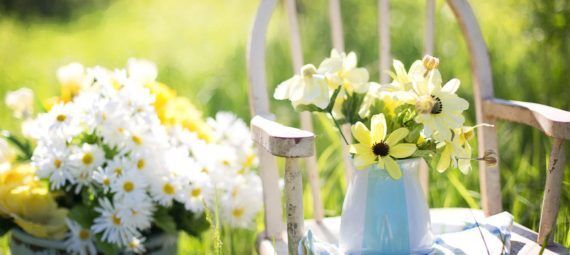
Your landscaping is a big part of your home’s curb appeal. And, some landscaping features can even add to the value of your home. A beautifully landscaped lawn also shows pride in home ownership, enhancing the beauty of the entire neighborhood. Your lawn is also an ideal place to enjoy all of the beauty that Mother Nature has to offer during the warmer months. And, it’s the perfect place to host parties and family gatherings when the weather is nice, keeping all of that activity and most of the mess outside. Are you thinking about sprucing up your landscaping? Maybe it needs a little work, or you might just be thinking about some ways to add some features that would make your yard a little more enjoyable for you, your family, or your friends. Heffner Landscaping has been designing and maintaining the lawns of Moore County residents for over 30 years. Our team of landscape design professionals are actually responsible for much of the beauty that you see around your community. And, our horticultural experts work hand-in-hand with our design team, keeping abreast of the latest landscaping trends. At Heffner Landscaping, we still stand by the foundation of basics that our company was built on by providing exceptional service, professionalism, and high-quality service. We also realize the value of incorporating trends and the latest innovations into your landscaping design. Here are nine ideas for 2019 summer landscaping design trends that might be just what you are looking for to create a little more outdoor appeal in your yard. 1. Eco-friendly Landscaping The focus on improving our environment is an ever-growing and increasingly important trend, and there are a few different ways that you can add some improvements to your landscaping that will be beneficial to the environment. Use plants that are native to your environment. They’ll not only thrive better, but having more plants that are a natural part of your surroundings helps to keep that delicate balance of nature, supporting other ecosystems that depend on them for life. Our global supply of water has been decreasing at an alarming rate, causing all of us to look for ways to reduce our consumption of water. While your landscaping may need some sort of irrigation system, our team of specialists are well-versed in all of the latest water-saving methods. You can reduce the impact of your carbon footprint on the environment by utilizing recycled wood and other materials for the construction of your landscaping projects. You could also convert any existing structures into more attractive landscape features. Sticks, leaves, pine cones, and other natural yard waste can actually be transformed into beautifully creative landscaping accessories. If you end up with more food from your garden than you can consume, you could help out your community by donating them to a local shelter. We can also help you if you are looking for greener solutions to keep your landscaping beautiful. There are a few different ways that we can embrace the beauty of nature and minimize, if not eliminate entirely, the use of harmful pesticides. 2. Gardens Gardens are very trendy for both producing your own flowers and your own food. They’re also great for conversation when you have company over. We’ll not only help you plan where to put a garden, but if you’d like any decorative fencing or enclosures added to really set it off, we’ve got you covered. Gardens are a beautiful and functional way to enhance the appeal of your landscaping. 3. Use Food for Ornamental Plants Accentuate the look of any area of your landscaping with ornamental planters growing food-bearing plants. You could also have planters hanging or under windowsills for herbs and smaller veggies. Not only is growing your own food trendy, it’s also very convenient if you have a tomato ready to pick when you need one. 4. Perennials They’ll always be popular because they come back every year, unlike annuals. We can help you choose the best perennials for your particular landscaping, and even guide you through when they bloom. That way, you’ll have blooms from all of the different varieties throughout the entire growing season. 5. Conversation Areas You may already have a patio or deck where you can relax or entertain outdoors. But, how about adding another area that might be a little more private but still flows well with the rest of your landscaping. Here a few ideas. Fire pits: There is just something calming about sitting around the glowing embers of a fire on a cool, summer night. You can buy fire pits that are already constructed or have one custom designed and installed for you. Add a few comfy chairs, and you’re all set. Serenity garden: We can help you find an area in your yard where you can carve out a serenity garden with a some comfortable seating, pathways, and naturally defined growing areas. You could use some of the existing foliage, and add in different plants that appeal to you. It’s almost like having a cozy living room in your backyard. Fountains: The almost mesmerizing sound of water softly flowing is always an attractive addition to any landscaping design. They can even be the focal point of an outdoor seating area. 6. Add an Outdoor Kitchen The only bad thing about having outdoor get-togethers is that someone usually gets stuck inside of the house most of the time preparing all of the food. But, not if you have a kitchen outside. We can build your own chef’s kitchen on, or around, your existing patio area. Then, you’ll be outside with all of your guests, interacting with them while you’re doing all of the cooking. You might even get a little help. 7. Pergolas are Trendy Another gorgeous addition to your landscaping, pergolas can provide just the right amount of shade while still letting some natural light flow through. We can show you some great styles and even show you examples of some of the pergolas that we’ve built. You can have them over your deck, or you can build one in the yard creating another patio area. 8. Planning for Animals Why fight the inevitable? Just because you have pets or live where there is wildlife doesn’t mean that your landscaping has to suffer. You can actually plan some areas where they can roam and not cause damage. We can help you create an out-of-the-way area where your dog can do their business. And, there are some natural attractants that you can put in safe places to at least somewhat corral the wildlife if they decide to visit. 9. Those Little Extras It’s always the details that really matter, right? Here are a few things that you could think about that would really add some value to your landscaping. How about a water-proof sound system for outdoor music? Quality always matters, especially when you are choosing outdoor furniture. And, think about the relaxing and lounging capabilities of the furniture when you are considering it. Outdoor lighting in various spots is always a nice touch. Dwarf shrubs are ideal for larger homes without a lot of landscaping space. If you’re ready to see the real potential of your landscaping, give us a call today and let us know what you are thinking about. Our team of design experts will meet with you, get a feel for what you’re looking for, look at the space you have to work with, and provide with the best options to achieve the backyard of your dreams. You’ll quickly see how Heffner Landscaping has been satisfying so many Moore County residents for so many years.

Although some plants described as “weeds” can coexist with other plants in a lawn or garden without causing damage, most weeds harm cultivated plants in a wide variety of ways. Some visually attractive weeds, such as dandelion (Taraxacum officinale), purslane (Portulaca oleracea), ragweed (Ambrosia artemisiifolia), horsetail (Equisetum arvense) and bull thistle (Cirsium vulgare), aren’t worth keeping around for this reason. Weeds also become more difficult to remove as they grow out of control. Consider the following: Plants That Harm a Landscape 1. Weeds outgrow nearby plants: As weeds grow in your lawn or garden, they take over the spaces between your carefully chosen plants and then spread to spaces that cultivated plants normally occupy. Most weeds have a fast growth rate. They can even spread out underground far more rapidly than what you see above ground. When this happens, cultivated plants fail to grow at their normal rates because they don’t receive enough water, light and nutrients. Weeds that spread rapidly above ground like Japanese honeysuckle (Lonicera japonica) and Devil’s Tail or Mile-A-Minute (Persicaria perfoliata) harm nearby plants by blanketing them quickly with foliage. Many weeds also produce a high volume of seeds that can stay dormant in the ground long after they drop. The Giant Hogweed (Heracleum mantegazzianum), a biennial exotic plant from the carrot family originally introduced to the United States as both a soil erosion and an ornamental plant, can disperse 20,000 to 100,000 seeds per plant after flowering depending on the size of the plant. Worse yet, the seeds can remain dormant for approximately 15 years. 2. Weeds behave like parasites: Every plant in a garden again needs a specific balance of water, light and food to thrive. Weeds usually take over the environment quickly to such a huge extent that they prevent garden plants from having access to resources. As they grow larger and spread, weeds use up the water and nutrients in the soil that your plants need to stay healthy. Although the result of this parasitic behavior varies based on the type of weed and the nearby plant species, weeds can cause one or more of your plants to become permanently twisted, stunted, discolored, diseased or withered and can introduce a bacterial, fungal or an insect infestation. They can also make it hard for your cultivated plants to flower and produce fruits and seeds. In addition, some weeds kill a plant through parasitic behavior by directly attaching to the plant’s roots, stem or branches and consuming all of its nutrients. More Than a Lawn and Garden Nightmare 1. Weeds can set off allergies and sensitivities: As with any plant, weeds create pollen and scents that can adversely affect people who have allergies and sensitivities and those who never had a problem before exposure. Some weeds also have sap, thorns and tiny hairs that cause reactions. Ragweed pollen, for example, can cause wheezing in people who don’t normally have asthma. Some people who have certain types of food allergies can have the same reactions to certain weeds because their immune systems can’t tell the difference between the plant proteins. For example, a person with a banana, cucumber, melon or sunflower seed allergy is more likely to react to ragweed. Even if the food allergy is mild, they might experience worse symptoms if they’re exposed to ragweed around the same time they ingest one of these cross-reaction foods. You can also have a wide range of skin reactions to various weeds, such as spot and spread rashes, itching and blistering. 2. Weeds can cause various severe injuries Many weeds are toxic. As a result, some toxic weeds that grow too close to a water source can poison drinking water. If a healthy adult touches or eats these weeds, they can become extremely ill or possibly die. The elderly, small children and pets are at higher risk of experiencing injury when exposed to certain types of weeds. Additionally, some weeds cause extreme burns. For example, the sap of Giant Hogweed can cause chemical burns that worsen with exposure to the ultraviolet part of sunlight. The plant can grow as tall as 15-feet high and four inches across. Its roots spread quickly through the ground. Although it looks beautiful and shares a similar white flowering top as Queen Anne’s Lace (Daucus carota) and Poison Hemlock (Conium maculatum) on a much grander scale, common exposure injuries include painful rash, blistering and swelling and permanent purple marks and scars. Depending on the amount of exposure, Giant Hogweed’s sap can even cause temporary or permanent blindness. Top Weed Prevention Measures 1. Physically remove the weeds: You can prevent seed dispersal and overgrowth if you remove weeds from the soil as soon as you see them. Removal of new growth also reduces the amount of time and effort that’s usually necessary to remove a full grown plant. Keep in mind that you should always pull and dig with your hands as much as possible to prevent above- and below-ground damage to your cultivated plants. If you need to use garden tools to dig up a weed, such as when trying to dig up a bull thistle that has a thick or long taproot, always perform the task as carefully as possible. 2. Cut the tops of weeds: If you don’t have time to pull weeds on a regular basis, cut off the flowers and seed heads instead to slow overall plant growth and spread. This action also helps reduce the amount of new growth next year. To cut weeds after mowing your lawn, mow again with the mower blade set to a higher position than the height of your grass. In your garden, use a trimmer or pruning shears to handle individual plants. 3. Till only when absolutely necessary: Tilling can bring old, dormant seeds to the surface where sunlight and the right conditions can cause them to sprout a new generation of weeds all over your lawn or garden. Till only when you need to introduce air, organic materials and nutrients into a garden bed. Since dormant seeds don’t begin to germinate until you bring them to the surface, never disturb soil too far below the recommended seed or seedling planting depth for different plants unless you have no other choice. 4. Stop new growth in unused soil: Plant all of your garden plants as close together as possible to stop weeds from spreading in open soil areas. Water your garden plants only and leave the spaces, and weeds, between these plants dry to dehydrate and kill any weeds that pop up. You can also use organic mulch between plants to stop new growth. If you live in a climate that experiences cold weather, prevent weed seeds dispersed by air and animals from growing in open areas by covering the soil entirely with organic mulch or seasonal cover crops. 5. Use caution when handling new plants: For your lawn, consider using sod instead of grass seed. With sod, you can see if the sod has weeds already in it. Also, not only does grass seed leave gaps in the soil that make it easier for weeds to sprout up, but birds are far more likely to accidentally transfer weed seeds from other areas to your lawn while feeding on grass seed. To guarantee that you have removed any tiny seeds from weeds sticking to newly purchased cultivated plants, rinse the plants under lukewarm water thoroughly before planting them. It’s important to remember that the act of simply removing a weed from the ground or a garden box can lead to physical harm. Wear a long sleeve shirt, pants, gloves and a mask when removing weeds to prevent reactions and injuries. For more information about weed removal or other landscaping topics, check out our blog page or contact our team of lawn and garden experts.

As of April 1, 2019, Heffner Landscaping is providing all-inclusive landscaping services to residential and commercial properties in Raleigh, Durham and Chapel Hill, NC. The Southern Pines-based landscaping company is a second-generation family business that is now co-owned by brothers Forth and Colby Heffner. The company offers full-service landscaping with capabilities spanning from designing and building hardscapes, year-round landscaping maintenance plans, and even snow removal. Plans for expansion officially began in 2016 and came to fruition after Heffner Landscaping signed a large commercial account in the Triangle area earlier this year. “As a business owner, expansion is always in the back of your mind,” said Forth. “Afterall, if you’re not growing, you’re stagnating if not dying.” The brothers’ motivation for growing the family business comes from this kind of ambition as well as the need for more opportunities. What drew Forth and Colby to the Triangle is the area’s development. North Carolina’s population growth is among the top 10 in the country, with a high concentration of it taking place in the Triangle area. The research triangle, as it is otherwise known as, also has become a leader in several industries. “The Triangle is growing rapidly,” Forth said, “and we want to be a part of that growth.” Heffner landscaping is already established in the area with local, dedicated crews servicing Raleigh, Durham and Chapel Hill. “One of our main goals this year is to increase our brand awareness in the Triangle,” continued Forth. A high level of both service and quality are what set Heffner Landscaping apart from other landscaping companies. “What we do is more than just lawn mowing,” Forth explained. “Our team of account managers – who are horticulturists and landscaping experts themselves – bring ideas, potential problems and solutions to clients before being asked.” The relationships between account managers and clients along with the highest quality of work in Moore country is why Heffner Landscaping has won awards like Best of the Pines. “This is the number one value add that we are bringing to homes and businesses in the Triangle area,” Forth said. To learn more about Heffner Landscaping, visit www.heffnerlandscaping.com .

Pinehurst, NC, April 2019 – Heffner Landscaping’s Account Manager of Landscaping Services and Sandhills Community College alumni Lee Bunch was recently chosen to sit on the college’s landscaping advisory board. “I look forward to helping my alma mater,” said Bunch. Hilarie Blevins, Coordinator & Instructor of Landscape Gardening at Sandhills and fellow class of ’98 alum reached out to Bunch about being a part of the board. Bunch elaborated on why Blevins asked him to sit on the board saying, “I graduated from this course and have stayed in the field. I would be one of the people hiring graduates.” The primary responsibility of the landscaping advisory board is to review Landscaping Gardening course schedules and curriculum to ensure it’s on the right track. “Landscaping Gardening at Sandhills was once one of the top programs on the east coast,” Bunch said. “Over the past several years, bigger schools like NC State have moved ahead in the ranking. One of the board’s goals is to build the course at Sandhills back up.” “It’s really quite an honor just to be considered for this position. The program is highly respected and is uniformly accepted as the authority on landscape education in the region,” said Forth Heffner, Managing Partner at Heffner Landscaping. However, as high of an honor it is for Lee, the board will benefit most by his presence. I’m proud to have Lee as one of the top leaders of our organization.” Heffner Landscaping is a full-service, family-owned landscaping company serving Moore County. For more than 30 years, Heffner has been providing irrigation, landscaping design and maintenance services to homeowners and commercial businesses. Learn more at heffnerlandscaping.com.
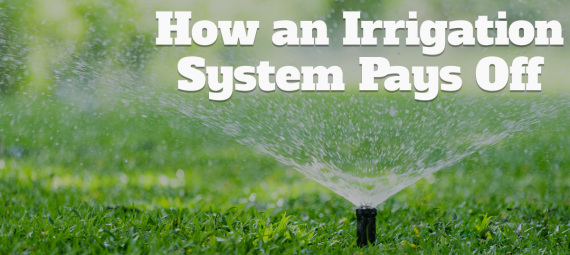
Did you know that the average American family can use over 300 gallons of water per day? Though most of this water is utilized indoors to take showers, do laundry, wash dishes, and even flush the commode, about a third of all water usage stays outdoors. Of that water used outdoors, much of it goes to irrigation, keeping grass plush and green, flowers bright and pert, and trees strong and tall. Ok, with this information in mind for context, did you know that up to half of all water used outdoors for irrigation is lost to evaporation and runoff? Many people don’t realize how much water is wasted outside because of inefficient manual irrigation techniques like oversaturation or just leaving the hose on too long. Don’t worry, though; we have an easy solution! A professionally installed, efficient irrigation system can take the worry out of watering, save you resources, and quickly pay for itself. Read on to find out just how quickly an irrigation system can pay off. Save time. An easy-to-see benefit of an irrigation system is how much time you will save. With technology to the rescue, you can program your irrigation system to drip or sprinkle water only according to the parameters you set. An upfront time investment in calibrating the system pays you hours and hours over the course of a year. The system will water your yard, garden, plants, and trees for you, freeing you up to take care of other yard work–or to just relax! Save water. A well installed, efficient irrigation system not only saves you time, but also water. If you live in a drought area, are environmentally conscious, or are just interested in using only what you need, an irrigation system is the way to go to use just the right amount of water. Additionally, you can install water or soil sensors. Water sensors are easy to install and will sense when it has recently rained and adjust the irrigation schedule so as not to overwater. Soil sensors can be more challenging to install, but they more accurately measure the saturation of the soil at the root level, providing the most accurate adjustment to your irrigation system, and ensuring that your plants, trees, and grass get exactly the right amount of water. A landscape professional can take care of irrigation and sensor installation for you to ensure your system is calibrated in the most efficient way possible, so you use just the right amount of water. Save money. By saving time and water, you will also be saving money! Your water bill can actually decrease when you install an irrigation system. Since your system will only irrigate your property when your plants and flowers actually need watering, you’ll be using–and losing–less water and less money. It’s really that simple! As you can see, by installing an efficient irrigation system, you can save not only water, but also time and money. An irrigation system may cost a few dollars up front to install, but once you have it set up properly, it can save you hundreds of dollars in water and costs, not to mention, give you the gift of time as you don’t have to worry about scheduling hours out of your week to water your grass, garden, flowers, and trees. Learn more about which irrigation system is right for you in this blog post , and let us know how we can help you, your family, or your business with money-saving suggestions, an estimate, installation, sensors, or anything else to keep your grass green and your plants healthy. Contact us today!
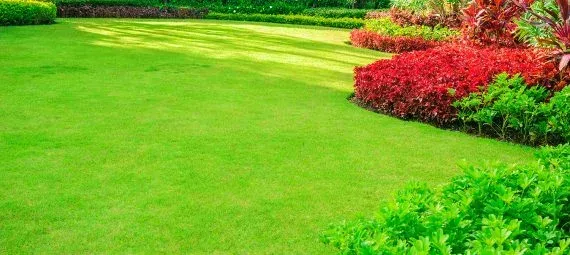
Did you know that the warm summer months are the best time to think about winter? As counterintuitive as it may seem, a little planning when the weather is nice goes a long way towards protecting your yard, and having beautiful, colorful growth even during the cold weather months. Read on to find out more about how best to plan for a beautiful yard and garden that will last throughout even the coldest, darkest, wettest winter months. Evergreen today, evergreen tomorrow! One easy way to retain luscious, verdant green in your yard all through winter is to plant evergreen trees. (Did you realize that not all evergreens are green? From yellow to blue to, yes, green, evergreens retain their vibrance throughout the wintertime, and provide lush backdrops, fence linings, and strategic placement for color throughout your property.) Think about the best places to plant pine, fir, and spruce trees, and plan around these year-round strong and beautiful trees. No garden bed is complete without an evergreen! Berries add a pop of color. From crabapple berries in the late fall to holly berries at the winter holidays, berry trees and bushes are a great way to retain vibrance when the other trees in your yard are shedding their colorful leaves. Many berry trees and bushes also flower, so you get the added bonus of flowers for a while, and berries, as well. In addition to being beautiful, berries can provide nutrients for birds and other wildlife in the wintertime, and keep your little ecosystem functioning at a sustainable level until spring. Incorporate varied textures . Bark on trees, ornamental grasses, and stone or brickwork are easy ways to incorporate textures into your landscape. Colorful, textured bark will make even a bare tree pop with color. Many ornamental grasses last through winter, and have various textures and distinct looks to stand out against your winter flowers, berries, and lawn. Some ornamental grasses to consider planting now for winter include Japanese Sedge, Blue Fescue, and Switch Grass. Stones and brick work can be incorporated in many ways, from pathways to water fixtures to fireplaces to retaining walls. Multifaceted stonework breaks up a barren landscapes, and provides a sense of strength and timelessness, even in dark, cold winter months. Build and maintain flat walkways for times of inclement weather. When selecting stones or pavers for footpaths through your yard or to your driveway, as beautiful and unique as uneven stones may seem, they may not be very practical come wintertime. Imagine shoveling your walkway and then having to still carefully tiptoe to your car to avoid slipping or tripping over uneven stones or unequally spaced pavers. Plan ahead for inclement weather by making your footpaths and walking surfaces as even as possible. You’ll thank yourself later as you save yourself from twisted ankles come winter! What other summer activities do you do in your yard to plan for the winter months? Comment with additions to our list, or contact us to let us know how we can help you get going on your summer maintenance projects.
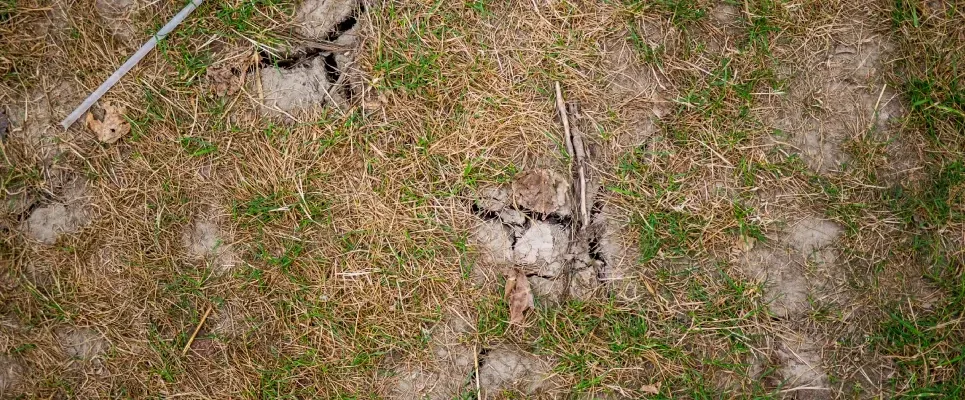
In the warm months, it can be very rewarding to get outside and do some meaningful yard work. We want you to get the most out of your time, so we’d like to warn you about a few common summer mistakes we find people making when it comes to their landscaping. Maximize your time and accomplish your best yard in the most efficient way by avoiding these common summer pitfalls. Forgetting to plan out your space. Planting grass seeds or laying sod, putting in a garden, and growing bushes and trees are all great ideas to beautify your outdoor spaces. Unfortunately too many people try to haphazardly and sporadically accomplish tasks independently of each other instead of following a landscaping master plan. Unplanned outdoor spaces can look very cluttered for a season and then bare the next. Without planning, you can’t reap the best benefits of your yard, and you may lose sight of the trees and the forest! A well developed outdoor plan can tie your yard together, as well as maximize your space for an aesthetically pleasing yard, a vibrant garden, and thriving bushes and trees. Not allowing for growth–up and out. Although it seems like a given, many people seem to forget that plants grow! When you plant a small bush under a first-floor window, remember that it will grow up, and may block your view. If you plant a tree under a powerline or too close to your house, you could run into trouble later as the tree grows up and as the roots expand underground. Many a costly tree removal or sidewalk repair could be avoided by remembering to plan for growth while planting flowers, bushes, and trees. Not irrigating correctly. Summer is hot, and you most likely will need to irrigate your grass and gardens. Irrigation can be tricky though, because you want to provide the right amount of water at the right times for your foliage to thrive. If you water during times of peak sunshine, you stand to lose a lot of water through evaporation. If you oversaturate your yard, you can cause erosion and runoff, and possibly lose growth. Setting up irrigation systems can be confusing, but with the right equipment, including sensors and timers, you can save money and have a gorgeous, well-irrigated lawn. If you need some tips on types of irrigation, check out this great blog . Forgetting to plan ahead for the cooler months. Spring and summer are glorious times for blooming flowers and green grass, but you can still have beautiful buds into autumn and winter. When you’re planning your garden, don’t just plan for today; plan for the future. It’s not too much to ask to have fall-blooming flowers, and depending on your location, you can even expect to see berries and blooms into winter time. Phlox, winter jasmine, and snowdrops are all beautiful winter-blooming flowers. Along with berry bushes and evergreen trees, the whole of your outdoor spaces can be colorful and vibrant, even as the temperatures drop. Not hiring the pros to do the important stuff. We’ve all seen the Pinterest fails, and when it comes to landscaping, without proper training and equipment, well, we’d hate to see you fail. From planning a year-round garden to installing water fixtures, doing it yourself is not always the best option. If you want professional results, definitely call in the professionals. How can we help you avoid that Pinterest fail? Show or tell us what you’d like to accomplish, and we’re happy to make your dreams into realities.
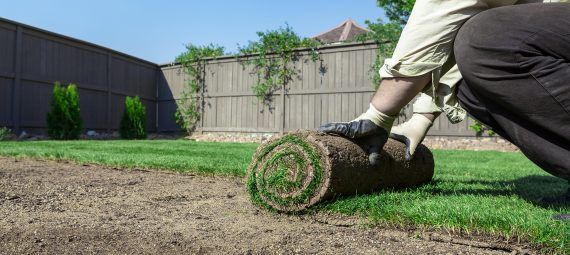
Laying sod is a great way to achieve a beautiful, green lawn. A sod project is not for the faint of heart, though! It requires careful planning and execution. If you skip a step or don’t carefully prepare, you risk wasting your time and money and having your sod fail to thrive. Follow these five steps for laying sod to make sure that you get the most out of your investment. Test your soil. Before you begin, it is important to know how your soil stacks up. If your soil is depleted or lacking in any key nutrients, laying sod won’t accomplish much–it will just dry out or fail to thrive. There are many landscaping companies and garden centers that can test the soil for you, or you also send a sample into a national company. Additionally, many universities have soil testing services available. When you get your results back, you can determine what nutrients are missing from your soil. It is important to add those nutrients in for best results (and we’ll have more on this later). Keep in mind that slightly acidic soil is best for sod. Aim for a pH level between 6.5 and 7. Measure the area. Before you buy your sod, it’s important to know how much you will need. Measure your yard, taking into account curved areas and garden beds that won’t need sod. The old adage is measure twice and cut once, and that rings true in this case. Sod can get pricey, so make sure you’ve calculated correctly. Prep the soil and sod. Get your yard ready for the sod by preparing the soil. You will know just what nutrients to add, thanks to that soil test! If you don’t own a rototiller, you can rent one for the day or weekend. Till the area, loosening up the top six to eight inches of soil, and add in organic compost, fertilizer, lime and any nutrients that you found were lacking. Once the soil is properly tilled and nutrients have been added, rake the soil to even it out. Consider grading the edges around the sidewalk and driveway at a downward angle since exposed edges are prone to dry out or get chopped off with the lawnmower. Cut the sod from the underside as it’s much easier to get a clean line. Measure curves by using rope or a garden hose, then cut out curves using a lawn edger and sod or carpet knife. Lay the sod. Carrying sod can be hard on your body, so remember to lift with your legs, and carry the sod close to your body. Having a helper can take you further faster! There are several views on the best way to lay sod. One way is to outline the perimeter of your yard first, and then fill in the sod towards the center, using smaller pieces for the middle. Alternatively, you can start with the straightest edge of your lawn, and lay down lines beside one another across your yard. Keep edges tight, remembering that gaps create the an environment for the soil to dry out. Rake over footprints and press the sod firmly down so there are no gaps. Fill in any gaps in the seams with topsoil and brush it evenly. Maintain your new sod. After you’ve laid the sod, you’re not finished! In order to properly grow and thrive, the sod should be watered daily. Try not to walk across your fresh sod or you risk damaging it. After three to four weeks, you can mow your grass, aiming to cut only the top third of the grass. Following this trim, it is a good idea to fertilize your sod again, making sure that you are replacing any lost nutrients. As with any major yard project, laying sod can be time consuming and the steps can be challenging. If you get stuck or would rather use your weekends for other projects–or for relaxing–call in the experts at Heffner, and we will take care of your sod project for you. We can do everything from start to finish, or help you through any steps along the way. Call us to find out how we can help you achieve the beautiful, green, lush grass you’ve always wanted!
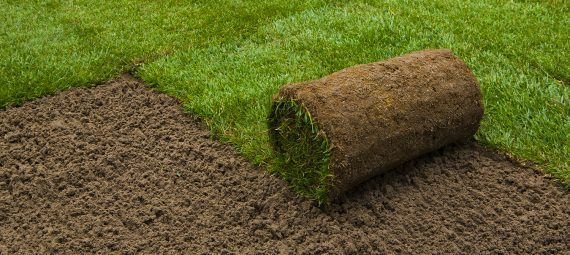
A question we commonly receive from people hoping to have a luscious, green yard is: should I sod or seed? Both are great options to consider, and both come with advantages and disadvantages. Read on as you try to decide how to give your lawn the kick it needs to be thicker, greener, and ready to enjoy. Let’s begin with seed. If you go decide to seed your lawn, here are a few advantages : Compared with laying sod, seeding is less expensive. Since you’re buying only seed, compared to large, bulky sod, the overall material cost is less. That said in order to prepare your yard for seeding, you may need to consider the cost of renting equipment like a rototiller and sod cutter. There are many types of grass seeds to choose from. You can select the grass or grasses that grow best in your area or that you prefer the look of. Seeding can result in a beautiful, lush yard–as long as you plant it along with the right amount of TLC. A few disadvantages of seeding include: From start to finish, the seeding process can be quite time consuming. You have to remove any existing grass and weeds, till and prepare your soil, lay the seed, and then wait for it to grow and fill in. With seeds, you have a limited window of time for when you can plant them for optimal results. Spring and early summer are typically recommended for seeding your yard, although in milder climates, late summer and fall are also fine times to seed. That said, if you miss your window, you will not be able to put down seed in your yard until the following year. Seeds are vulnerable to the elements. Birds are likely to see your yard as a buffet, and it is possible the wind and rain could wash away your precious seeds. Next is sod. Here are several advantages to laying sod : When you lay sod, it’s almost as if you get an instant yard. Though you have to be careful with the freshly laid sod, the turnaround time for outdoor lawn activities is much shorter than if you plant seed. If you’re looking for instant gratification, sod is the closest thing to it. In milder climates, like ours in North Carolina, you can essentially put sod down anytime during the year. As long as you properly water and fertilize, there are few time constraints on when you can lay sod. Though it is possible that you may get a minimal amount of unwanted weeds, you are less likely to get weeds with sod than you are if you seed. Sodding does come with some disadvantages : Sod is certainly more expensive than seeding. Because of the benefits of having a ready-made yard and no seed to lose, you pay for the pleasure of your instant lawn. Laying sod also requires significant water. If you have an irrigation system, you may need to adjust it to properly water your sod. So armed with this information, which option are you leaning toward: seeding or sodding? Both are great choices to consider if your yard is mediocre, sparse, or nonexistent. If you’re still not sure how to proceed, we can assess your property and budget and help you weigh the factors to come to the best decision. Let us know how we can help!
Have you considered a maintenance agreement for your lawncare and landscaping needs? Maintenance agreements are not just for businesses and corporate parks anymore–though our corporate clients certainly do benefit from having an all-season lawn care agreement. You may be surprised to find out that you, as an individual or family, can reap many benefits from having your favorite lawn care provider on “retainer,” providing regular lawn and garden care by way of a maintenance contract. Here are just a few benefits of having your very own lawn care maintenance agreement: 1. Save money by bundling your lawn care services. A top benefit of a lawn care agreement is simple: save money. When you have regularly scheduled maintenance included in your contract, whether it’s mowing, irrigation, or flower bed treatments, you can create synergy around our visits to your property, saving you dollars long-term. Rather than calling us as-needed, we can plan ahead for your services, and by planning ahead, we can allocate the right amount of time and order everything we will need ahead of time. With this careful planning, we can in turn pass savings onto you. 2. Customize a contract to meet your needs. At Heffner, we have a full list of landscaping services available for you to choose from, and we want you to get exactly what you need. We’ll partner with you to draw up an agreement that takes into account your property and preferences, and we’ll include the services most important to keeping your lawn and garden looking the best. Select from the following options of services we offer: lawn care and treatments plant and flower bed care and treatments mowing site care and clean up trimming pruning seasonal irrigation services edging We can provide any combination of our services that you need for your property. Additionally, we can add on “a la carte” items at any time, like mulch or pine straw replacement. It’s easy to add on services, and we will work with you on an ongoing basis to update your contract should you elect to change your agreement based on need and preference. 3. Rest easy knowing that your lawn and garden are going to look the best all year long. Our customers with maintenance agreements continually tell us about the peace of mind they have from knowing that their lawn and garden are being cared for by experienced professionals. With a contract, you will have nothing to worry about in terms of scheduling, planning, or upkeep–it’s already taken care of! You’ll never again have to fret about frantically scheduling maintenance before holiday guests arrive, when those weeds start popping up, or when the weather changes and you want your plants and flowers to reflect the beauty of the season. Rest assured knowing that you’re already covered by your maintenance contract, and the pros are on their way to take care of everything. These are just a few of the benefits of having a maintenance contract with Heffner. We would be more than glad to talk to you about designing a contract that is right for you. Call or email us to get the conversation going about how we can tailor the perfect lawn care maintenance agreement for your lawn and garden.
Spring is almost upon us! After a chilly winter, it’s exciting to think about getting outside and preparing your lawn and garden for spring and summer. Though there are many things you can do to beautify your property this spring, here are the three most important things that we recommend our clients cross off their to-do lists as the spring brings warmer weather. Prep, prune, and clean up the yard. Winter can do serious damage to trees, bushes, flowers, and lawns. Now is the time to walk your yard and pick up fallen sticks and branches, as well as get rid of any hangabout leaves from last fall, pick up trash, and identify which plants to prune. Ornamental grasses, green and flowering bushes, and roses should all be pruned back during the spring. Don’t get too ambitious with the pruning equipment though! Avoid cutting back fall-blooming plants such as azaleas and forsythias until after they’ve bloomed so as not to damage them. Weeding can also be included in this prep and cleanup phase. Weeds can still grow over winter, and once the warmer weather kicks in, you’ll begin to notice a lot more weeds with each passing day. Once your yard is cleaned, pruned, and prepped, you can move onto a few other integral tasks for spring. Mulch. After your yard is cleaned up, it’s a great time to mulch. There are many benefits to laying mulch including suppressing weeds and preventing soil erosion. Additionally, mulch can make your flowers and trees pop. Mulch comes in many different colors, textures, and forms. For example, you can encircle your trees with pine needles for a simple, clean look, or you can lay black deco mulch in your flower beds for eye-catching style and to keep your soil in place and weeds at bay. A professional landscaper can make sure you choose the right mulch, help you calculate exactly how much you’ll need for optimal results, and lay it in the most stylish and efficient way. Service or install an irrigation system. If you haven’t already installed an irrigation system, now is the perfect time to do so. There are many benefits to installing an irrigation system, like saving time, water, and money, but it’s important to select the right system or systems for your property. Sprinklers can cover a wide area, and drip irrigation systems can deliver water in a more targeted manner, saving water and minimizing runoff and evaporation. If you already have an irrigation system, wonderful! Just don’t forget to have it professionally serviced so you can ensure you’re getting the most bang for your buck, as well as keeping your yard as beautiful as possible. With the right system for your property set up in the best way, you can save hundreds of dollars in water costs while beautifying and hydrating your lawn and garden beds. What other important things do you do in the spring to prepare your yard for the warmer months ahead? Call us to get these three items checked off your to-do list, and let us know what else we can help you with!
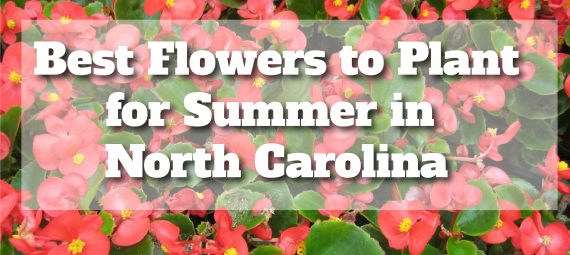
Now is the time to start planning the beautiful blooms you want to see flowering this summer in your garden. Your yard, flower beds, window boxes, planters, and pots can all be filled with an amazing, vibrant assortment of colors and textures, and we have some spectacular recommendations for you in both annuals and perennials. First, here is a list of some of our top favorite annuals to plant in North Carolina. These flowers will give your green spaces beautiful splashes of color, and allow you the creative freedom to change your garden next year–or choose to replant the same gorgeous blooms year after year. Begonia . In red, peach, orange, and pink, begonias prefer shade and boast green foliage in addition to their radiant blooms.
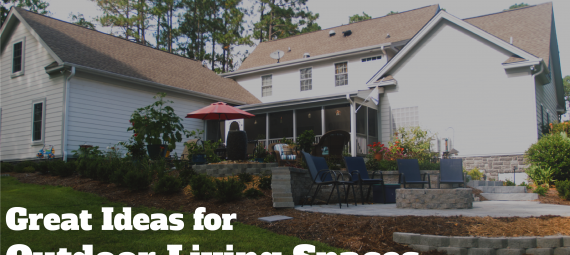
If you’re excited to spend the warmer months outside this spring and summer, entertaining, gardening, playing games, or just relaxing, a well constructed outdoor living space is crucial for optimizing your time, comfort, and level of enjoyment. An outdoor living space can take your backyard from good to great, enhancing the value of your home, and providing hours of fun, excitement, and relaxation. Whether you love to invite the neighbors over for lavish barbecues, or just kick back with a cold one in the evenings and watch the kids play, you can create the perfect outdoor living space for your preference and budget. Here are some of our favorite ideas for transforming your backyard into a private “staycation” destination for summer. The Deck . Give yourself the gift of space with a deck. If you’re looking for the perfect place for the grill and a convenient spot to entertain while keeping an eye on the entire backyard, a deck is one of the easiest ways to have it all. Decks are simple to plan, relatively inexpensive to build, and they take no time at all to complete. If your goal is to get outside quickly and enjoy your outdoor living space as soon as you can, a deck is a great option.

Virtually all property owners want landscapes that are both lovely and aesthetically appealing. Fortunately, 2018 is a great year to complete landscape renovation projects, as current trends are not only interesting and beautiful, but practical as well. The most popular trends include outdoor sitting rooms, organic gardens, and landscapes designed to provide a refuge for wildlife. Water elements, such as fountains and man-made ponds and unique pathways are also quite popular among homeowners. Below are some of the top 2018 landscaping design trends: Garden Dining Outdoor sitting rooms are predicted to take the exterior design market by storm in 2018. Whether full outdoor kitchens or simple, garden dining areas, this trend is catching on among homeowners from coast-to-coast.
Creating a landscaping plan may at first seem like a daunting endeavor. Even though the final project should be completed by a professional, following the tips below will help property owners with basic decisions and get you started with a basic plan: Getting Started When designing a rough draft of the desired landscape, homeowners should ask themselves essential questions, such as how they plan to use the property and the average amount of time they typically spend outdoors throughout the year. Doing a “walk around” is a wise course of action, as the property owner can consider what he or she finds pleasant or unpleasant with regard to the home’s current landscaping. Existing items that should be evaluated include the following: Walkways Flower bushes Grasses Statues Trees Patio floors Bird feeders and fountains It’s a good idea for one to make a list of which items are salvageable, such as a beautiful old tree, and which items should be removed, such as sagging decks or unhealthy shrubbery. Factoring in one’s geographical location is also wise. For example, if a person wants to replace unhealthy bushes with roses, but the home is in an area where deer traffic is heavy, roses are not a good choice unless a fence is installed. It is also important to consider if you want fountains, statues, new pathways and other additions to the property. Visualizing where such items should be placed is an essential part of planning the new landscape. Thinking about these and other details helps property owners obtain a clear vision of the finished project. Focal Points After doing a walk around and getting a basic idea of how you want to proceed with his or her landscape plan, it’s time to decide on a focal point. A focal point is an object that essentially “makes you look.” Although most homeowners think of statues or specimen trees as focal points, there is also a virtually unlimited number of additional possibilities. The key to choosing a focal point is finding something different from the rest of the landscape in color, texture and form. Focal points should stand out, but not “stick out” in such a way that they do not connect well with their surroundings. It is also important to consider scale. If the landscape features a generous amount of land with broad views, an ancient oak tree already located on the property may fill the role of the focal point quite well. If the lot is modest in size, a small statue or an ornate garden bench make good choices. Below are some other items one can use as interesting focal points: Fountain Outdoor recreational area Spa or swimming pool Ornate plants or mini-Japanese garden Gazebo Choosing Greenery When choosing plants, trees and shrubbery, it’s important to consider the growth rate and the size of each botanical when fully grown. In addition, it’s essential make sure you’re well aware of the level of maintenance necessary for each plant. Although fast-growing plants may seem like a bargain, the money and time spent on pruning and other tasks may cancel out the initial savings. However, those who enjoy gardening or have maintenance and care completed by a third-party need not worry about such issues. Homeowners should also choose plants that reflect their personality and lifestyle. This helps to personalize the landscape and make it unique to those who live in the dwelling. For example, some individuals enjoy an eclectic look, while others prefer distinct form and symmetry. A person may opt for flowering plants, if he or she enjoys making bouquets during blooming season. One may also prefer small trees and shrubs to create a lush, green environment around the home. Ultimately, plants should be purposefully selected and thoughtfully placed to ensure the view brings the homeowner years of enjoyment. Adding Movement With Grass and Wildlife Gardens should have movement to add interest and life to the surrounding landscape. For this reason, homeowners should not overlook ornamental grasses that gently sway in the wind. Additionally, planting flowers and bushes that attract butterflies and hummingbirds adds character to virtually any garden or landscape. Creating an Ambiance with Statues If the property is large enough, well-placed statues can easily add flair and style to most landscaping plans. If flowering plants abound on the property, angels, cupids, and Greek or Roman statues blend perfectly. If the landscape has a modern or zen-type ambiance, abstract statues are ideal. However, any statue selected should ultimately appeal to the homeowner and reflect his or her personal tastes. Lighting Options Lighting is an important consideration that is sometimes overlooked when one is completing landscape renovations. There are several lighting types from which to choose, such as low-voltage lights, LED lights and simple, traditional path lights. Low-voltage lights are popular, as they can be added after the new landscaping is complete, rather than having to be integrated from the beginning. Many of the newest LED lights use much less electricity than conventional lighting and often last several years, making them a beautiful and practical choice. Walkways can be lighted with a series of low-sitting fixtures that feature squat canopies. Consumers can even choose to light paths with artificial rocks in which lights are embedded. Flickering lights are relaxing and beautiful, and therefore appeal to almost anyone. One can also choose strategically placed lights featuring pivoting bases, the latter of which can be directed to accentuate water elements, plants, statues or trees. Fortunately, bright lighting is not needed to make a big impact. Rather, subtle lighting provides all the effect necessary to enhance the beauty of a property after dark. All landscape lighting options should be discussed with the professional hired to complete the work. Fountains Many homeowners choose to add a beautiful fountain when completing landscape renovations. There is a limitless number of fountain models on today’s market, from large, ornate models to simple tiered-rock formations over which trickling water gently flows. The fountain selected should reflect the general theme of the landscape, and blend well with plants and trees. Regardless of the style selected, a fountain is virtually guaranteed to enhance the beauty and value of a property. Additional Considerations Those who have decided on a specific landscaping plan may be tempted to complete the work without professional assistance. However, landscaping typically does not make a good DIY project, even for those who are quite handy or who have a green thumb. Designing and installing a landscape is a complex task and should only be completed by an expert. Those who are planning such renovations in 2018 should contact Heffner Landscaping to ensure an outcome that brings many years of enjoyment.
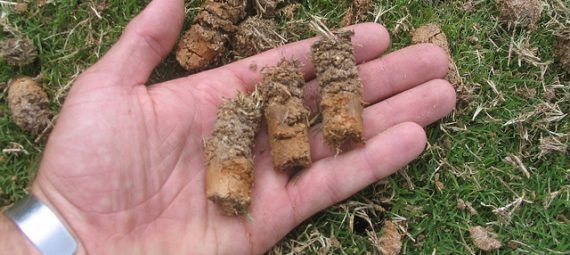
“Indian summer” is that lovely little pocket of time in the fall when the weather takes a warmer turn for a brief period before officially cooling down for winter. Indian summers can be a balmy relief from chapped lips and cold winds, providing a great window to get back out into your yard and do some final outdoor projects. Take advantage of this time to care for your soil and grass, preparing it for winter, and allowing it to thrive when spring finally comes. Fertilize. Fall is the best time to fertilize your yard. Root systems need nutrients to get through the cold winter months. In fact, did you know that despite the slow growth of your grass in the wintertime, root systems are actually developing and expanding over the colder months? Fertilize when the ground is not too wet and before the ground freezes. Wait until you are done mowing or until your mowing is so infrequent that it will not disrupt the newly fertilized grass. To avoid having green zebra stripes in your grass, apply fertilizer in a grid pattern, making lines north-to-south and east-to-west, evenly distributing nutrients all over. To use the best fertilizer, you should test your soil first to see what nutrients it could most benefit from. Lime. Another way to encourage and support a luscious, green lawn is to balance your soil’s pH through the process of liming. A perfectly balanced pH (neutral) is at a 7. If you have patchy areas in your grass or if your lawn tends to discolor easily, it may be a sign that your pH levels are too low (acidic) or too high (alkaline). You can test your soil to find out what level it checks in at. If your levels are low Liming can rebalance the soil, and return your grass to that “Better Homes and Garden” green everyone aspires to. Lime also has calcium and other nutrients in it to to nourish your soil and counteract negative soil factors.To find out the best kinds of lime to use on your soil or to receive a complimentary pH test, contact us at Heffner to get your levels rebalanced and your grass lush and green for spring. Aerate. Soil can become compacted due to a variety of factors. Over time it can naturally compress, foot traffic can exacerbate the process, and heavy rains or dry spells can compact soil further, keeping root systems shallow and not allowing enough air or water down into the dirt. Deeper root systems with access to air, water, and nutrients result in healthier grasses and greener lawns. Late fall is a great time to aerate your lawn, puncturing small holes in the soil, loosening it up, and allowing for hydration and air to get down into the dirt. Overseed. Overseeding is laying seed on your lawn without tearing up existing dirt or grass. Overseeding is another way to make your lawn as healthy as possible, filling in bare spots and improving the color and feel of your grass. Prep your yard for overseeding by aerating, mowing, bagging up clippings, and raking up debris. With as few obstructions as possible, the seed can get down into the soil easily. By aerating first, the ground will be especially receptive to seed, and along with the seed, nutrients, air, and water will be able to reach the root systems to ensure the best results. We can complete and and all of these tasks for you this fall to get your yard ready for winter so it grow its best in the spring. Call or email us for a consultation and we will get you on your way to the healthiest lawn you ever had!
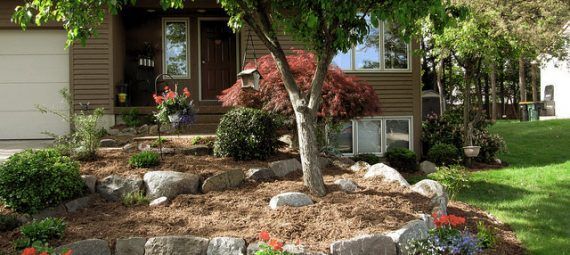
When it comes to landscaping and gardening, it’s always a good idea to be planning and thinking ahead. After you’ve completed fall maintenance on your yard, getting it cleaned up and ready for a winter’s nap, there is still work to be done if you want your garden and landscaping to pop when spring finally rolls around. Autumn is the best time to get your yard spring ready by planting bulbs that will grow when the weather warms up. Follow these five easy steps this fall to have your garden all ready for spring next year. Stay ahead of schedule . Planning ahead doesn’t have to be stressful! Make fall planting a part of your annual landscaping routine. In September and October, when temperatures have cooled but before the ground freezes, plan, prep, and plant spring bulbs. Since the weather is cooling down in the fall, as an added bonus, you will be able to better enjoy your gardening time and avoid all the mosquitoes that hung out in your yard all summer long. Consider what to plant. As you plan your garden, think about the best spring flowers that will thrive in your climate zone. Popular spring bulbs include daffodils, tulips, crocuses, allium, buttercups, hyacinths, irises, and even garlic, which isn’t as visually appealing as a daffodil, but because it produces a natural fungicide, it can can benefit your other plants and repel pests; not to mention it can come in handy for use in the kitchen! Sketch out a garden plan . Before you actually buy bulbs, consider what colors you would like to group together in what places. Flower height should be considered, putting taller plants either in the back against walls or fences or in the middle of circular beds. You can also stagger the plants’ by growing time so you have beautiful flowers coming up as others are fading. Buy the best bulbs . As with most things, when it comes to bulbs and flowers, you get what you pay for. Purchase your bulbs from reputable places and buy only high quality products. If you’re not sure where to purchase from, call us up for a consultation. We can either recommend the best local places to buy bulbs, or we can bring bulbs to your property and get them in the ground for you. With professionals on the job, you can rest assured you’ll get the most bang for your buck, and your bulbs are more likely to sprout strong and grow into beautiful spring flowers. If you decide to do it yourself, you can follow these easy instructions for planting . First, remove rocks and debris from the planting area. Then, add nutrients to your soil, either with compost or some sort of organic fertilizer. Your bulbs will need extra nutrients if you have sandy or dry soil. Dig holes about eight inches deep for large bulbs and five inches deep for small bulbs. Drop in the bulbs, round side down, pointed side up.If you’re concerned about voles and other burrowing critters, plant them in plastic pots dropped into the ground or line your garden beds with mesh. What bulbs do you love for spring? Let us know what kinds of plants you’re most interested in, and let us know how we can help you achieve the garden of your dreams.
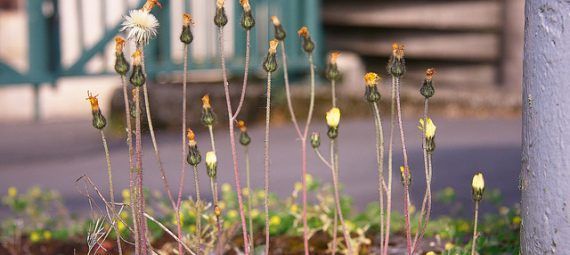
Weeds. They’re vile. They’re unsightly. They’re the bane of your yard’s existence. And they’re everywhere! How do you get rid of them? Here are some methods that can help clear weeds when your in between professional lawn services. Other methods if done haphazardly or without parameters can kill your beautiful, delicate plants and flowers along with the weeds that is why it is always important to ask a professional landscaper first to make sure it is ok for your lawn. Here are four ways to help get rid of unsightly, irritating weeds. 1. Preempt weeds by creating a barrier between the ground and your plants. The best way to avoid weeds is to keep them from growing in the first place. You can use many different discarded or old household items to create a barrier in your garden. Great examples of items to use to block unwanted growth include discarded newspaper, that dirty shower curtain you know you need to get rid of, or old carpeting turned upside down. If you don’t use any of these barriers, at least create an above-ground barrier like mulch or pine needles to minimize the weeds’ ability to break through. Make sure you use about three to four inches of mulch. Less will not prohibit weed growth, but more may stifle the earth beneath and cause rot or mold to flourish. If you need any help with creating barriers and laying the right amount of mulch, call in the experts to make sure you’re using the best barriers and mulches for your unique soil type, environment, and climate. 2. Sprinkle baking soda or salt in the cracks. If you have weeds growing in the cracks of your walkway, patio, or retaining wall, an easy way to get rid of them is by sprinkling salt or baking soda into the cracks. If you want to get fancy, you can make a solution consisting of one part salt to two parts boiling water, then pour it over the weeds. If that sounds terribly complicated or time consuming, the salt alone will work. Next time it rains, nature will apply water and spread the salt deep into the cracks, killing the weeds for you without the extra “cooking.” 3. Douse weeds with vinegar, bleach, or vodka. This tip comes with an asterisk: if you’re going to use a strong substance like the liquids listed here, to avoid harming plant life around the weeds, it is absolutely mandatory you cover up wanted growth. (See our Pro Tip below for an easy way to isolate weeds.) This method takes a more “scorched earth” approach, but you can protect and avoid harming surrounding foliage simply by using a little precaution to shield your grass, plants, and flowers. Once the weed area is isolated, use a spray bottle to apply undiluted bleach or vinegar, or pour a toxic concoction consisting of a small shot of vodka and two cups of water (with a dash of soap for good measure) directly onto unwanted growth. Pro Tip: Next time you finish a two-liter of your favorite soft drink, save the bottle as way to isolate weeds and protect the surrounding growth during particularly toxic weed removal. Simply cut the bottle in half and toss the bottom half in the recycling bin. Securely situate the top half of the bottle over the weed you’re planning to remove and pour your weed killer into the bottle opening. After the substance has settled on the weed, remove the bottle, and move onto your next target. 4. Roll up your sleeves and pull. Finally, never underestimate the power of pulling weeds. You can use special gardening tools designed to dig into the earth and pull up the weeds, or you can simply grab a-hold, and being careful not to break the roots, pull the weeds manually out of the ground. As an added bonus, playing in the dirt has been shown to boost your immune system and has been linked to decreasing depression. So go on and pull some weeds! You may surprised at how great you feel afterwards! These are the top four weed killing hacks we found. What tips do you have that you would add to the list? Contact us today to help prevent weeds in your lawn and garden.
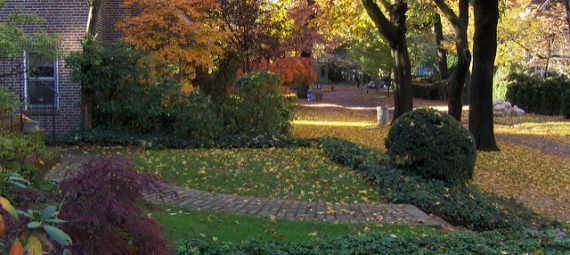
As school starts back and the days get shorter, we know that fall is just around the corner. Though here in North Carolina the weather hasn’t cooled down quite yet, we’re already thinking about the autumn, and the best tips for getting our clients’ yards ready for winter. Follow this quick checklist this fall to protect your grass and growth throughout the colder months, and allow your yard to emerge at its fullest potential next spring. Overseed and fertilize grass. Because winter is when grass is more vulnerable, give your yard all the nutrients it needs to make it through the frosts, snows, sleets, and overall cold. If your yard is sparse, get a head start on spring by seeding now. If you wait until spring, you may find that growth is taking longer than you hoped. When your neighbors have lush, green yards, your may still be patchy as you wait for the later-seeded grass to finally grow. Water your yard. Especially in the sunny south it’s important to remember to continue watering your lawn throughout the fall. Well hydrated lawns survive the winter better, just like well fertilized ones do. When rain is scant, make up for the lack of hydration by watering deeply and infrequently (versus just a little bit every day). Keep mowing. Grass doesn’t stop growing when the kids go back to school! Keep up with your mowing, even as it gets cooler. Grass growth slows during the colder months, but rarely stops altogether, so you may find yourself mowing for a few more months. Going into the colder months, trim grass a little shorter, but don’t give your lawn a buzz cut! Two to two-and-one-half inches of grass is a good amount to keep your lawn healthy through winter, and will allow it to start growing faster and lusher when the cold breaks. Rake, blow, or vacuum leaves. It’s annoying. It’s almost everyone’s least favorite fall chore, but raking up fallen leaves is important to the health of your yard. If you’ve ever skipped leaf removal, you know what can happen under that dank carpet of old leaves. Not only do small animals make shelters or hide in the leaf piles, but old, soggy leaves attract bugs, get mildewy and moldy, and will eventually stifle and kill all growth underneath them like a wet blanket. If you have a lot of trees and leaf removal is a challenge, we’re glad to come out and help you take care of your leaves this fall. Cut back flowers and protect delicate plants. In your yard maintenance, don’t forget about your garden, planters, and flower beds. Cut back summer blooms as they fade, and protect any non-hardy outdoor plants. This may mean covering them or bringing them inside as the temperatures begin to drop past 40 degrees at night. Newer plants and succulents definitely should be covered or brought inside for winter. Get rid of weeds. It may be surprising but most weeds like dandelions are so sturdy and strong that winter weather won’t kill them. Though they might fade for a few months, if you don’t get rid of the weeds in the fall, rest assured, their ghosts will be back to haunt you when spring comes. Go ahead and get rid of weeds now so when your yard and garden begins springing back to life in the warmer months, it can do so unimpaired by unsightly weeds. Does this list seem like a lot to accomplish? Give us a call and let us help you tackle your autumn yard maintenance. You’ll be glad you asked for the help when spring comes and your yard can flourish and grow because you planned ahead!
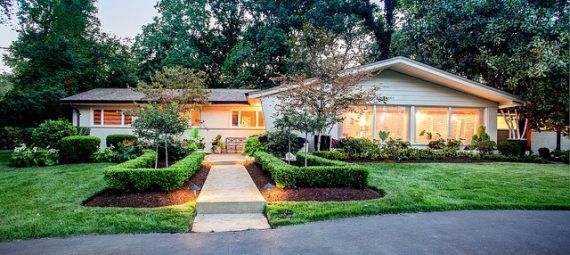
“You only get once chance to make a first impression.” You’ve heard the expression before, and just as it applies to job interviews and first dates, it also applies to your home. Whether you’re hoping to sell your house or you’re just looking to refresh your landscaping for something new, we have five easy tips to innovate your yard and up your property’s curb appeal without breaking the bank or taking up too much of your valuable time. Invite a fresh perspective. You look at your yard every day. Sometimes it’s hard to step back and see it through fresh eyes, so why waste time and energy trying? Invite a career landscaper to walk your property and help you take inventory of what you love, what you hate, and what you want to improve upon. Through their unbiased eyes, they’ll be able to make suggestions you never would have thought of or point you towards trends that are popular in their neighborhood. With a professional landscaper, they are especially in-the-know with the latest–and most tried-and-true–ways to spruce up your yard, taking it from good to great with minimal effort or investment. Clean up the yard. After getting some good ideas, start with the most basic but sure-fire way to improve your yard in a snap — cleaning it up. Throw away those bedraggled penny saver papers that have collected by the curb. Pick up pet refuse. Prune overgrown bushes and shrubs, and trim falling limbs on trees. Don’t forget to throw away the trimmings when you’re done! Cleaning up the yard may not be anyone’s favorite task, but it can go quickly, especially if you if you make it part of your weekly or monthly yard work schedule. Keep up with the cleanup, and it won’t be so daunting next time! Incorporate bold splashes of color. After your yard is tidied, it’s time to get creative. Adding colors to your yard, garden, and house can make even a plain property stand out and get noticed. Use planters in bright spring colors or bold terracotta themes. Don’t shy away from flowers that bloom brightly in many different colors. Tulips, gardenias, Gerber daisies, lavender, hyacinths, and all types of wildflowers can be incorporated across beds, in pots, or around the bases of trees. You can even use just a little bit of paint to freshen up the front of your house. Don’t worry about repainting the entire house, just paint your front door a bold red or a welcoming golden yellow; repaint the porch or just the rocking chairs and swing in a bright, cheery blue; update the trim or the shutters to a complementary–but sharply contrasting color–to the rest of your house. Don’t be afraid of bold colors; they will really make your property pop! Create intuitive lines and boundaries. Keep your bold, beautiful colors in check by delineating clear boundaries throughout your yard. Professional landscapers can create these boundaries with pavers or bricks to line flower beds or rock driveways. They can also incorporate mulch in circles around tree roots. If you don’t have a clear walkway from the drive to the door, they can lay stones or bricks to provide an established path for guests to cross through your beautiful, colorful garden. A simple wooden or picket fence creates a clear line, whether it encircles your yard, or just frames your driveway. Plant lines of sunflowers, fruit bushes, or shrubbery along existing fences to add texture and depth to the boundary line, and also to beautify plain chainlinks or wooden slats. Finish off with features that enhance your yard’s natural beauty. Your yard is clean, you’ve incorporated flowers and colors, and you’ve created clear paths and boundaries. Finish off by tastefully installing features that bring out your yard and garden’s natural beauty, and enhance your (and your guests’) experience outside. If you have hummingbirds in your area, consider installing bird feeders to welcome wildlife to your yard. For other birds, a colorful birdbath placed in the garden provides a welcome retreat from the hot summer sun, and gives hours of enjoyment to your indoor pets as they gaze out of your windows. Water fountains, fish ponds, fireplaces, pathway lighting, and trellises can be installed by professionals and all augment the natural beauty of the nature around them without detracting or cluttering your yard. What other tricks have you used to increase the curb appeal of your home? Comment below with your tips, or send us a message to invite our professional landscapers to put fresh eyes on your property and get the refresh started. Whether selling your home or taking your neighborhood to the next level, now is your chance to make the best first impression! If you’re interested in contacting a professional to help with these improvements click this link .
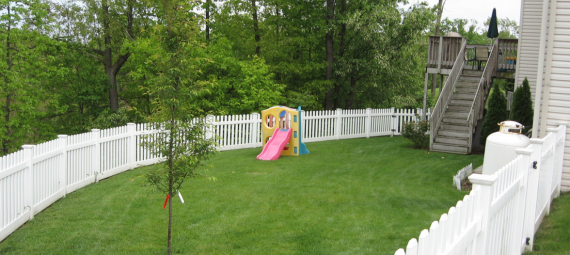
Planting new trees on your property can be very rewarding. Trees can increase the beauty of your property, and provide shade during hot summer months. Planting a new tree can be slightly daunting though. It’s tricky to know when to plant, and the best way to ensure they’ll grow properly. That’s why it can be important to hire a professional landscaping company so that they follow important steps to plant a new tree successfully. Determining the right time to plant. Fall can be a great time to plant a new tree but a professional will be able to tell you exactly when your yard might be ready to support a new tree . You want to give your new tree time to root and spread out, allowing it to situate and come to be “at home” before the growing season begins. Professionals can plant trees with burlap wrapped roots that can generally be planted at anytime, but they will need extra care to make sure that the roots take properly. Digging a hole. Finding a good spot to plant the tree can actually be kind of difficult. A professional landscaper can identify where all underground pipes and utilities are, and make sure to steer clear of them. Once they have done an evaluation of your yard they can begin to dig. The size of the hole being dug for the tree can be hard to determine as well because it needs to give the tree room to spread out and grow. Preparing the tree. If the tree has a container such as a bucket or wiring, it can be hard to remove the tree without damaging the roots. Landscapers have equipment to help carefully remove the containers so that the roots are exposed and the tree can be planted with out being damaged. Placing your tree. The placement of the tree can be one of the hardest parts of planting a tree. It can be difficult to get the tree to stay upright and supported that is why it is best to use a professional landscaper. They will also be able to determine which part is the nicest part of the tree to make sure that it is facing the direction you prefer–like the road or the inside of your garden seating area. During this stage especially, it helps to have professional landscapers be there to ensure the tree looks straight from all angles. Your tree may look straight from one perspective, but without looking at it from various positions, you may notice it’s not actually straight. Fill, mulch, and support. For this step, as well, a pro will make things a lot easier. Keeping the tree level, backfill the dirt in around it. Professionals will know how to pack the dirt perfectly for the tree. They won’t pack it so tightly that it smothers future growth, but they will make sure the soil is firm enough to keep the tree stable and straight. Mulch can protect your new growth , and a landscaper will know which is best for your yard. They will also be able to stake your tree as needed to provide additional support. Water, nurture, and watch your tree grow! Your tree will need to be watered about once a week, but more if it’s hot, arid, and windy. If it rains once or more during the week, you can forego watering. Keep the soil moist but avoid overwatering. Trees can be high maintenance their first year of growth so having a professional landscaper care for it and make sure it’s watered and maintained correctly can help its chances of survival. If you have any questions or tips that work for you that may help new tree planters, comment below, or send us a message to find out how we can help you plant beautiful new trees in your own yard!
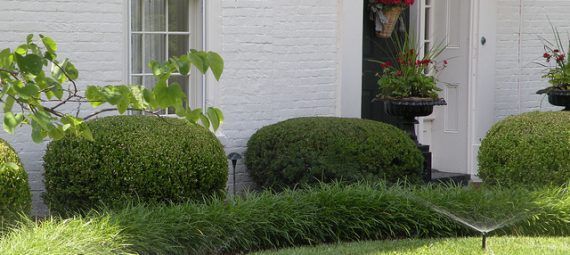
The summertime heat in North Carolina is no joke! Summer seems to start earlier every year, and the heat and humidity creep later and later into fall. The dry, hot weather can negatively impact your yard, garden, and plants. As the weather is getting warmer, now is the time to install an irrigation system if you don’t already have one, or if you do, it’s not too late to tune up your system to make sure it’s running at full coverage efficiency to keep your lawn and gardens hydrated during the torrid months of summer! Irrigation systems have many benefits including keeping your property looking beautiful and saving you money on watering costs, but the catch is they have to be in great working condition in order for you to reap all the benefits. Before calling in the pros to install a new system or help you get your current system all set for summer, consider what your options are and follow our checklist to make sure your new irrigation systems will serve you well and your older systems are up-to-date to efficiently keep your yard in the best shape all summer. Types of irrigation systems to consider. There are countless types of irrigation systems and many varieties of sprinklers. You may have one or more of these already installed, but could benefit from an additional one being strategically placed–or from replacing an older one sprinkler for a more efficient, newer one. Some irrigation options are below, and the pros at Heffner Landscaping can determine which of these — or what additional options — may be best for your yard and garden: Above-ground sprinklers. As the most popular or traditional irrigation systems, automatic above-ground sprayers are are easy to install and program, and come in a variety of sprayer heads. Most types of above-ground sprinklers fit into one of three categories: Fixed stream are great for small, focused areas, but due to low pressure, can be less efficient due to evaporation. Rotating, or rotor, systems are great for areas with rounded edges, have a low-flow rate but high water pressure, and a cover wide radius. Bubbler/flood systems have the highest flow rate and apply water directly to one plant or specific thirsty area. Each has its own purpose, and professional installers can advise on the best use of which above-ground sprinkler for which zones in your yard and garden. Soaker hoses . Soaker hoses let out water via a “sweating” manner all along the length of the hose. They’re best used in dense areas like food gardens or lush decorative gardens with many many types of flowers and bushes planted close together to avoid wasting water. Soaker hoses are largely efficient due to their water placement. In-ground sprinklers like drip line emitters. Drip emitters use a very small amount of water, and target the roots directly to avoid wasting water. In-ground sprinklers have less evaporation and are considered extremely efficient. Now that you know a few types of sprinkler options, follow this checklist to ask the all the right questions and think about some additional factors you may not have considered to get the best system and maximum efficiency. Ask questions about your current system, weather, and conditions. The first step to determining what new systems you should select–or in getting your older systems ready for the summer– is to both ask questions and answer the questions that your professional contractors or installers have for you about your yard. Some of the best questions to get started are: How frequently do you currently your lawn, garden, and plants, and how do the various zones in your yard respond to your regimen? Do you have any new grass, plants, or trees that you’ve just planted this season? Are there parts of your yard that seem dryer than others? Do these parts receive more sun? Are there parts of your yard that don’t seem to drain properly after heavy rain? What is your budget for installation, upkeep, and monthly watering? Do you have areas that you struggle to reach with irrigation systems, hoses, or natural water sources? Consider additional aspects like: Soil conditions, local climate, and recent changes in your yard or climate. Water sources and access. Appropriate zones that take into account not only hearty trees, versatile grass, and delicate flowers, but also driveways, walkways, and external fixtures. Current drought conditions or water shortage warnings if applicable. Accessibility of professional landscapers to keep everything functioning properly. Warranties on equipment and installation; guarantees of service and satisfaction. All these elements are a lot to consider, so whether you’re ready to install a new system or do regular maintenance on your older system, call the professionals at Heffner Landscaping to take the guesswork out of irrigation, and conserve water, energy, and money, all the while keeping your yard and garden looking lush and plush, even through the hottest, driest months of summer.

At Heffner Landscaping, not only are we proud of the quality of professional landscaping and lawncare service we provide, we’re equally as proud of our customer service. Every person on our team is there to make sure you, our valued customer, have a positive experience and get the yard and garden of your dreams without any fuss or hassle. One of the ways we make sure you get the best quality care is by guaranteeing each customer has their own dedicated Account Manager. Whether you’re a large business on a corporate account or one person who needs help maintaining your yard, garden, or irrigation system, you’ll be treated with respect and consideration, as if you were our best and only customer. Dedicated Account Managers mean we can deliver a level of service to you that most other landscaping companies can’t. Here are just a few benefits of being having your very own dedicated Heffner Landscaping Account Manager: Expert-level communication. If you ever need anything at all, isn’t it great to know you can call or email someone with name you know and immediately talk to them transparently and honestly about your needs? At Heffner Landscaping, we’ll make sure you have the name of your very own person along with all their contact information, so you can call them any time to arrange a consultation, reschedule a service, or find out more about something you’re interested in. Communication works both ways, too. If our crew has a recommendation or if anything changes that would affect you as our customer, having a dedicated Account Manager means you’re the first to know about the issues that affect you. A trusted partner. Who has time to worry about their landscaping? When you have a trusted partner, worry will be the last thing on your mind. As you build trust and regularly communicate with your Account Manager, you’ll find that you’re both building an ongoing relationship for the mutual goal of making sure your needs are met. You won’t talk to different people every time you call. Ours is a small, local company; not a giant call center where you never get to speak to the same person. With Heffner, you’ll build a rapport with all our crew, knowing your Account Manager is your first building block in a long-term partnership where your satisfaction is at the heart of everything we do. Customer service that is second to none. Because we’re a small, locally owned and operated company, Heffner Landscaping is able to customize and individualize all our services to what is best for each customer. We don’t just offer out-of-the-box services, but rather we get to know you and your green spaces, and provide a level of customer care that is second to none. Having an Account Manager means you’re not just a file to us; rather you’re a person with a unique yard, and unique aspirations. We respect you and partner with you to realize and accomplish all your landscaping goals. Having a person dedicated to you, your garden, and your goals means you don’t get lost in the shuffle. Since your success is our success, we go out of our way to provide the highest quality customer service in addition to the best lawn care service that you will find. Talk us us today to get started with your own personal Account Manager and you’ll see why our customers stick with us for the long haul.
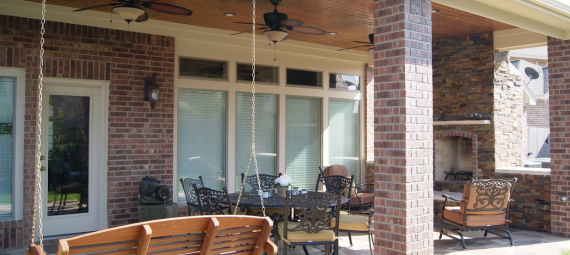
DIY projects, or do-it-yourself projects, are all the rage right now. Look on Pinterest or Instagram, and you’ll see thousands of pictures of people who decided to complete an intricate craft project, build their own shelving or entertainment center, or take on an outdoor endeavor that seems downright intimidating or overwhelming to the average bear. Some of these DIY projects turn out great; others are definitely DIY fails It can’t be disputed that some projects are are ideal to DIY, but it cannot be disputed that certain projects are much better if left to the professionals like Heffner Landscaping . While you might be ready to take on a small home improvement project or make a wreath from scraps of material, unless you’re a licensed contractor or builder, please do not try to do any major home or outdoor construction, like add onto your house or build your own hardscape or patio. There are so many factors to consider when planning and building an outdoor hardscape, and so much that can go wrong. Here are just a few reasons why you shouldn’t risk doing it yourself on your patio, stone fireplace, or other major outdoor hardscape project: Safety first. Before we can talk about anything else, we have to first start with the concept of safety. For a major outdoor project, you’ll most likely need to operate heavy machinery and move large slabs of stone, rocks, bricks, or wood. When you take on a project this major, it’s important to have proper training, the right equipment, and hold current licensure to operate the machinery necessary to complete the job. If you don’t have the proper training, equipment, and licensing, your project is doomed to fail from the start. Rather than risk wrecking your backyard, dropping and breaking expensive stone, and angering your spouse or neighbors, it’s best to leave major hardscaping projects up to the professionals. Experience is key. Most DIY-ers are novices at the projects they undertake. Though certain projects certainly don’t mandate years of experience and training, when it comes to installing hardscapes, laying stone, tile, or brick, and planning large-scale outdoor projects, experience is truly beneficial to have under your belt. With proper education and years of experience, large projects get easier, and planning and execution become more intuitive. If you’ve faced obstacles before, like running out of supplies towards the end of a project, you’ll be better equipped to pre-empt and prevent the same mistake again, avoiding spending more time and money on supplies and equipment late in the game. No one is an expert the first time they plan and build a brick wall or sketch out and lay a stone patio. Rather than take a chance on a lopsided or less-than-your-best project that will embarrass you and decrease the value of your property, go ahead and hire the professionals to plan, build, and maintain a beautiful, enviable outdoor hardscape. Maintenance and upkeep matter. A well-planned, well-built patio probably won’t require too much professional maintenance to keep up with. But over time with natural wear-and-tear, you may be in need of maintenance. A professional will always guarantee their work, and for the sake of their own reputation, be there to help with any needed upkeep. In the unlikely event that a rock should crack or a brick would crumble, professionally installed hardscapes are typically under a warranty or a guarantee; whereas if you built it yourself, you’re up the creek and stuck with the cost of (finally) hiring a professional to fix the mistake you should have hired them to avoid in the first place! Avoid these easy pitfalls and start with a professional consultation to build the outdoor hardscape of your dreams. Patio, fireplace, or water fixture–how can we make your dream a reality? Contact us today to get you the outside patio you always wanted!
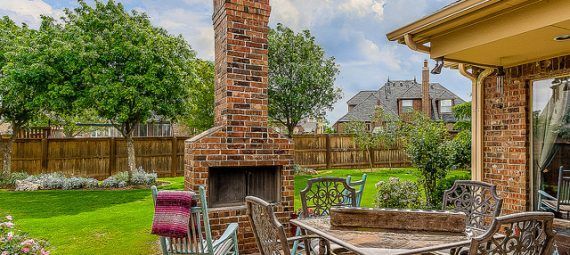
Imagine your ideal backyard. What do you picture? A lush green lawn? A lovely patio or porch? What else? If you’re not envisioning a fireplace, you may want to think again! An outdoor fireplace can be the surprise feature that your outdoor space is missing; an element that will allow you to take full advantage of your space while beautifying your property and increasing value. Not convinced? Read on to find out some of the many benefits that including an outdoor fireplace into your backyard, patio, or other outdoor space can bring to you and your loved ones. Maximize your outdoor space all year round. In most climate zones, spring evenings tend to be cool, and even into summer, a nighttime chill can send you, your family, and your guests shivering into the house. Otherwise beautiful, starry nights that would warrant you being outside are lost to dropping temperatures and chilly breezes. With an outdoor fireplace, you can control the warmth of your patio/outdoor space, and maximize your out-of-doors time, even into the fall and chillier winter months. With a strategically placed fireplace, your guests won’t have to relocate inside, and your family–including kids of all ages–can comfortably play outside. Added bonus — fireplaces help keep bugs away! No grill? No problem. Whether or not you have a grill, there is something special about being able to cook over an open flame. Want to make s’mores for your child’s birthday party? Easy as pie! Craving a roasted kabob? A fireplace has you covered! Take grilling to a whole new level with your outdoor fireplace. If you have a wood-burning fireplace, you can even use the coals to create foil-packet meals. Wrap up a chicken breast, potatoes, and carrots in a foil pack, and roast on the coals until thoroughly cooked. You can’t ask for better flavor! Give your patio a focal point. Inside your living room, what is your furniture pointed at? For many people it’s a t.v. For others, it’s the fireplace. For the extra lucky, it could be both! Imagine an outdoor space with a beautiful focal point, not just scattered tables and chairs. Consider integrating beautiful stonework into your fireplace feature. Recessed lighting around the fireplace can help attract the eye towards the focal point, and create a subtle psychological “pull” towards the feature everyone one will automatically be drawn to. You can also integrate decorations, water features, or plant elements into the scape to enhance the beauty of the fireplace feature, and create a seamless transition from inside to outside. Value. With all these other benefits, it is no secret that an outdoor fireplace will automatically increase the value of your home and property. Gas fireplaces are very trendy, and even wood-burning fireplaces have their own rustic appeal, along with that well-known, delicious smell. Beautiful stonework may be an investment up front, but it will more than pay for itself when your home is appraised. Imagine potential home buyers walking through your house, and finally ending up in your backyard. A fireplace is icing on the cake–a lovely home and an amazing outdoor entertainment space? Sold! What other benefits can you think of for having an outdoor fireplace? We can think of so many more, and would love to talk about them with you. Call Heffner Landscaping to get started designing your dream outdoor fireplace, and let us consult with you on the best way to achieve your perfect outdoor living space! Contact us today!
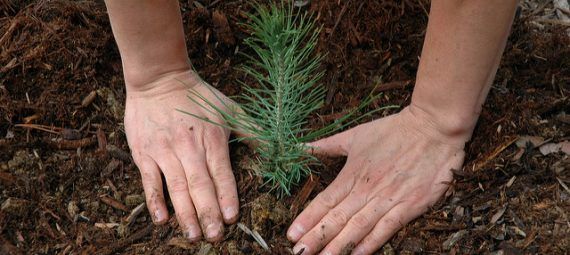
Congratulations! You’ve planted some new shrubs, trees, or bushes. Now what? The first year of a plant’s life is the most important to its growth and development. It’s true what you’ve heard: new plants need more water at the beginning of their life than they will once their root systems are established and they’re fully adjusted to their environment. But how much water do new plants need? And when can you back off watering them so much? Read on to get some tips on how to best care for new plants and set them up for a long, healthy life. Several factors should be considered when figuring out how much water plants need: Soil : What kind of soil do you have in your yard? What is the texture of the soil? Clay-like soil tends to hold moisture better than sand and silt, so consider the soil as you figure out how much water your new plants will need. Climate and weather : What is the weather like in your area? Are you in an arid or a humid region? Does it tend to be windy? If your area is dry and windy, you may need to water your plants more because they will lose water and nutrients to the wind and thirsty dirt. The plants themselves : What kinds of new shrubs, trees, or bushes did you plant? Are the plants best suited for your soil and climate? If so, then they may need less water–and less attention–than an exotic species that isn’t indigenous to your area. Observe the leaves of the plant. The larger the leaves, typically the better they are established, and the stronger they are. Delicate new growth indicates the need for more water to survive. Once you’ve considered these factors, here are some easy tips for how much water to apply to your new plants. Brand new plants : No matter what kind of plant it is–tree, shrub, or bush–water it as soon as you put it in the ground. Once the water is absorbed, go ahead and give it another drink of water, moistening the soil and giving it enough water to “sip” on for a little while. Water new plants daily for the first week, and then two or three times per week for the first year of their life. Shrubs : Typically shrubs come in bucket or other similar container. Newly planted shrubs need approximately ⅓ of the volume of the container’s worth of water at first, and then a bit more as the root system spreads. You can keep the container it came in to measure the water or at least get a close estimation of how much water the shrub will need. Trees : Trees need about 1½ gallon of water per inch of stem width. If the new tree’s width is two inches, you would give it three gallons of water each time you water it. Finally, a good question is “when can I stop watering them so much?” We’re glad you asked! You will typically want to water your young plants two or three times a week through spring, summer, and fall of their first year. When the ground starts to harden and freeze, you’re safe to back off watering for winter. With the advent of spring, don’t forget to continue to nurture your plants. Even though they survived the winter, they’ll still need regular watering for the next few years of their life–though certainly not as much as they did at the beginning. You can typically water two- and three-year-old plants once or twice a week in optimal conditions, but more if your soil is inhospitable or you live in a dry, arid region. Once plants are three years old, they’re probably well enough established to survive with only occasional waterings. If you notice they’re not thriving, what should you do? You guessed it! Provide them with a little extra water, just in case. What watering tips do you follow to keep your plants healthy? Comment with your ideas below! If you have any other lawn and garden questions contact us here .
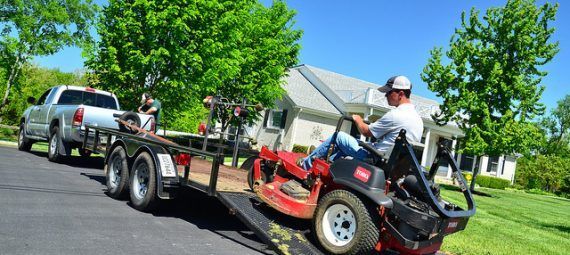
Whether you’re about to graduate and are at the beginning of your career, or you’re bored with your office or factory job and are ready to make a drastic change, landscaping is an exciting career path that has many benefits. Consider these seven reasons why you should make the decision to go into the rewarding and sustainable field of landscaping : Escape to the outdoors. If you’ve ever been stuck inside classrooms or office buildings all day, you surely can relate to the feeling of wistfully gazing out the window, and enviously wishing you could be spending more of your time outdoors. When you work in landscaping, you get to spend almost every day in nature, basking in the sun, and working on your (farmer’s) tan. A rewarding landscaping career puts you in touch with nature, and keeps you from feeling cooped up all day in a stuffy office. You get to move around. If you don’t like being inside for too long, it’s probably safe to say you get stir crazy when you have to sit still for long periods of time. Imagine being able to spend your workdays moving around. When it comes to landscaping, you’re almost never stuck in one spot. Pushing a mower around is great exercise, as is clearing away brush and planting flower beds. Even riding mowers and operating larger equipment keep you moving around! If the sedentary lifestyle is not for you, get moving with a job that keeps you on your toes. Every day is different. If you’re anything like us, you would go crazy if you were stuck doing the same repetitive tasks every day. In landscaping, you get to spend almost every day doing something different. One day may be focused on installing an irrigation system. The next day you might plant a flower bed in the morning and lay sod in the afternoon. When you’re the kind of person who appreciates variety as the spice of life, landscaping offers something different almost every day, and keeps you from getting bored. Get the best of the worlds of art and science. Landscaping is a wonderful balance of science and art. Do you appreciate making things grow, but also enjoy exercising your creativity? There are so many ways to improve your botany, chemistry, and arborist skills through on the job training, while also getting to take part in artistic, creative endeavors, like designing water installations, recommending what plants and flowers would complement one another in a garden bed, or choosing the right stones for a garden pathway. If you’re not naturally creative or scientifically-minded, that’s okay, too! You’ll quickly pick up on these skills, and develop your capacity for both science and art as you work with more experienced landscapers, arborists, botanists, and designers. Learn something new all the time. Speaking of working with the experts, a career in landscaping means you’re always learning something new. You can’t be stagnant in your field when there are new technologies, trends, and ideas circulating all around you every day. If there’s something you don’t know how to do, you’ll have the benefit of being able to learn how from more experienced colleagues, and the on-the-job training you’ll receive with a reputable landscaping firm is second to none. Balance social time with “me” time. Whether you’re a social butterfly or a wallflower, landscaping offers you the chance to put your people skills to good use, while also affording you time to yourself. Landscapers get to meet people all the time and learn to talk with a variety of different people, whether it be suppliers at the nursery, the family that just moved in up the road and wants to know what local species of flowers would thrive best in their garden, or the new person who just joined the crew. You also get time to yourself in landscaping. While you’re blowing leaves or riding on the mower, many folks wear earplugs, while others use that time to listen to music or get caught up on the latest podcasts. There are few other careers where you get to enjoy such a great a balance of social time and “you” time. Improve and sustain your community. Everyone wants to feel like their job is meaningful and contributes to society. In landscaping you are actually improving your community every day, bettering neighborhoods and businesses in your town, developing and maintaining green spaces, and increasing property values all around you. Not only that, but you’re helping other people to feel better about where they live and work. Not every job makes the world a better place, but when you’re in landscaping, you can wake up in the morning and go to bed at night knowing that you personally are improving and sustaining your community, making it a better place to live for your friends, family, and neighbors. Are you considering a career in landscaping or do you already have some experience in the field? Contact us today if you’d like to learn more about joining our team and putting yourself on the path to a rewarding career in landscaping.
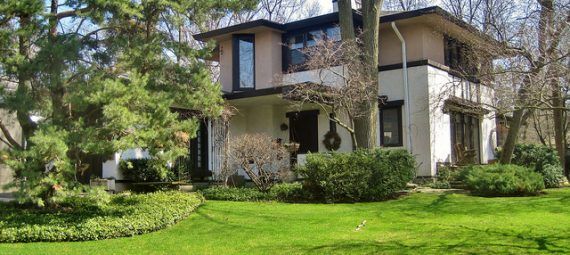
Spring has sprung and it’s officially time to stretch your legs, step outside, and refamiliarize yourself with the intricacies of your outdoor spaces. Even during mild winters, the wind blows, soil shifts, and your landscape can experience everything from flooding to debris coverage to erosion. To repair your yard from winter damage and maximize your space for the warmer seasons of sun and fun, take advantage of warmer spring weather to check off these 10 steps to your best summer yard. Take a walk and scope things out. Spring is a wonderful time of year to reacquaint yourself with your yard. Throughout the winter, elements of your lawn and gardens may change. Walk your property and look for new growths, cleaning opportunities, and how new installations like sidewalks, irrigation, or lighting may improve the environment. Make your own categorized to-do list. Your yard is unique and you may notice specific things outside on your walk that you’d like to do accomplish. Add the checklist items reflected here to your list, of course, but also don’t forget the major projects you dreamed about implementing on your walk. It can be helpful to divide your list into categories. You might put on one side, and on the other, and put tasks in the category that makes the most sense. Many tasks you can quickly accomplish on your own, like picking up light debris. Other larger, more intricate projects like lighting installation, irrigation maintenance, or major landscaping can go a lot faster with professionals taking the lead, so plan accordingly and please call for help when you need it! Prune. You’ll notice new life budding at the end of winter and then fully flourishing with the spring. From flowers to bushes to trees, pruning gets rid of the old, wilted, dying parts of plants and in turn, revives your entire yard. Check out our pruning guide to find out how to get the most life out of your plants, including second and third blooms on your flowers. Clean up. It may not be the most glamorous step, but we all know it has to happen. Put on some old shoes and groovy tunes, and check off those basic spring cleaning tasks like collecting left-over leaves, picking up sticks, and bagging pet refuse. If you see any hazardous materials, large branches hanging precariously, or visible diseased or poisonous plants, it is always better to and not compromise your safety or the safety of your family and neighbors . Grow and mow your lawn. Now is a good time to plant new grass, fertilize, and finally begin a more regular mowing routine. Don’t forget to plan a watering routine, too, by installing a time- and water-saving irrigation system to get the most beautiful lawn on the block! Install, repair, and prepare your garden beds. Whether you’re a flower lover or a small-scale vegetable farmer, spring is the time to install or repair your beds, enrich the soil with compost or chemical nutrients, and order any seeds and plants you need. Plant flowers. This step is pretty self-explanatory, but can be daunting nonetheless. Consider your climate zone, local favorites, and unique colors when planting flowers, and don’t forget to prune flowers past their prime for fresh growth! Refresh mulch. There are so many benefits to mulch, like protecting plants as they grow and saving your soil from erosion. Lay fresh mulch where levels are low, and look for additional spots where mulch could improve the condition of the environment such as around bushes and trees, or to protect new growth. Install or service your sprinkler system. If you don’t have a good sprinkler system with energy-efficient timers, you’re missing out. Irrigation systems are programmable to be effective, but also save you water and money while beautifying your lawn. Get the most out of your irrigation system by having it serviced regularly, including a professional spring maintenance check up to repair winter damage such as broken heads or water lines, as well as to optimize water pressure and timers for maximum absorption and efficiency. Control pests. Outsmart common garden pests like aphids and caterpillars with these hacks. Secure vulnerable areas with barriers like screen or lattice, and integrate natural pest deterrents like citronella plants to keep away mosquitos or sage, oregano, and thyme to repel deer. What do you do to get ready for spring? Call us at Heffner Landscaping if we can help you knock out anything on your list. We’re here to help you get your outdoor spaces ready for the best summer yet. Contact us today!
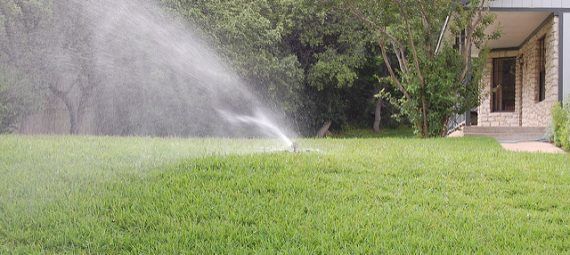
On your quest for a beautiful yard, it’s entirely possible to nourish your grass, plants, and trees and simultaneously save time, water, and money. If it sounds too good to be true, it’s not–because the benefits to a good irrigation system are seemingly endless. That said, it’s not enough to simply install a good sprinkler system. In addition to a reliable system, you should schedule regular professional maintenance to ensure your sprinklers are functioning most efficiently, saving you time and money, and keeping your outdoor spaces looking their freshest and best. If you’re thinking about skipping this spring’s irrigation checkup, you may reconsider after reading about the benefits that accompany investing in professional maintenance for your home or commercial irrigation system. Pros remove the guesswork from irrigation. Hiring experienced landscape architects and professional irrigation technicians can take the guess work out of installing, repairing, and maintaining sprinklers. Landscape architects with irrigation experience know how to choose the best system for your property. They will consult with you and learn about your lawn and gardens to ensure that your yard is zoned appropriately, and each zone is watered at the best time, integrating efficient water cycles for maximum absorption. Trustworthy experts will be your long-term partners in maintaining, repairing, and replacing broken components, as well. If something goes wrong with your system, you don’t have to worry about repairing it yourself or guessing where the issue lies. Let the professionals do what they do best! Professionals can track changes in your yard and adapt your system. Believe or not, your yard changes a lot from year to year. There is constant new growth, and unfortunately, regular damage naturally occurs, especially over the colder, windy winter months. For example, trees grow and cast different shadows from year to year. This year, you might need to add or move sprinkler components to service additional garden beds or avoid spraying a newly installed a pathway. Professionals will take all the unique factors about your property and environment into consideration, and adapt your system , water pressure, and timers to make sure your forsythias don’t flood and your begonias don’t burn. The pros can fix what’s broken. A thorough spring maintenance inspection by professionals includes the repair of cracked heads, broken water lines, and the replacement of faulty or out-of-date equipment. Broken or poorly functioning systems can burst, flood, and bring chaos to your entire yard. If your irrigation system is compromised in any way, you will just be wasting water and money, and potentially causing further–even greater–damage. Take care of any issues before they turn into a full-blown crisis the easy way–by catching problems early and fixing them. Preventative care saves money in the long run. What’s even better than fixing something that is broken? Preventing it from breaking in the first place! Pros think preventatively, and innovate ways to stay ahead of problems. Professionals plan installation, adaptations, and updates carefully so you’re watering your hydrangeas–not the sidewalk. Get ahead of damage, flooding, and broken equipment with preventative maintenance and care! Spring is the best time of year to maintenance your sprinklers or irrigation system. Before they go into heavy-use mode, make sure that your yard will look its best by using just the right amount of water at all the right times. Call us to schedule your spring maintenance check for your irrigation system. Don’t have an irrigation system yet? We can help you select the right one and then keep it functioning at it’s best. Contact us for an irrigation consultation.
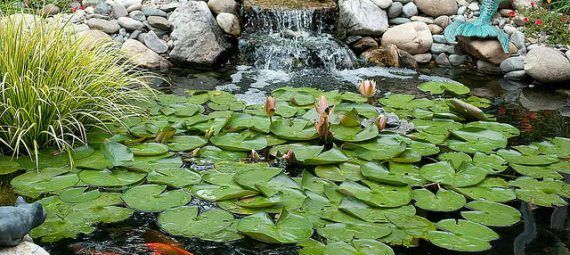
If you have a pond on your property, or are considering installing one, we know it can be challenging to keep up with maintenance. If you struggle to keep up with your pond or are short on time, don’t worry–a well-cared-for pond is within your reach! To maintain your pond or water installation, and ensure it’s always at its best and most beautiful, follow these easy tips from our Weekly Pond Maintenance Checklist: Monitor chemical levels in the water, and add chemicals slowly, carefully, and according to packaging instructions. Remember certain chemicals in concentrated doses can harm fish and plant life. If your water starts looking murky and brown despite proper chemical levels, you can consider adding activated carbon to clear it up. Add water as needed. When you add more water, add to the bottom to prevent sediment from forming on the pond’s liner and to avoid disrupting the surface. If you’re quite low on water, add a little at a time for a few days rather than just adding a lot of water at once, following the motto, “slower is better.” Skim for debris on the water surface. Mulch, sticks, leaves, and many other refuse items are likely to find their way into your pond over time. Retrieve any large items by hand, and use a skimmer to catch smaller refuse. If you live in an area with many trees or if your pond is located at the bottom of a hill or basin, you may need to clean debris daily, especially during spring and/or fall. Feed your plants with appropriate aquatic fertilizer. A quick consultation with your local landscape experts at Heffner Landscaping can point you to the right fertilizers for your particular plant life. Feed your fish through warmer months. As it gets cooler in the autumn, reduce fish food. When water temperature gets below 50 degrees Fahrenheit, stop feeding fish altogether. Feeding fish in the winter may seem like a nice gesture, but fish with undigested food in their stomachs can die in the cold winter months. Inspect flora and fauna for trauma, disease, or irregularities. Though inhabitants of your pond are alive and will grow and change, you should still be on the lookout for fish with sores or patches of dying plant life. As a pond owner, sometimes you may need to intervene to make your ecosystem a happier home for all its inhabitants. Check pumps and filters . Clean and unclog pipes as needed, and replace filters when they’re past their prime. Keep water moving through the year with a waterfall, fountain, or bubbling device. Stagnant water is never good for a pond or for the plants and fish in it. To keep oxygen levels balanced, water should be moving and fresh. The more oxygen you have in your pond, the more healthy your plants, animals, and water will be! Enjoy the benefits of your personal pond . Ponds have almost endless benefits. From improving the look and value of your property, to dressing up boring or under-utilized spaces, to reducing noise pollution, to introducing a sense of wonder and tranquility to your property, a pond is a beautiful, visible representation of beauty and life in your yard. Not only is the pond great for you personally, but it will also benefit local indigenous wildlife! Ponds cultivate a sense of connection to your environment, and create a focal point for friends, family, and passersby to connect together over a shared sense belonging and beauty. If you could use help installing or maintaining a pond, Heffner Landscaping can help you with everything. From planning to installation to maintenance, we can’t wait to get you all set up with your own gorgeous pond. You know the value of adding a pond to your property; let us give you the most beautiful water installation in the neighborhood. Contact us to get your pond installed for spring!
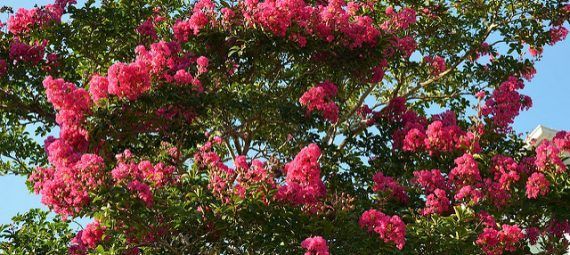
We are officially preparing for the final phases of cold weather! Though the weather is relatively chilly here in the south, we are already enjoying pockets of warmer air that indicate spring is on the way. In terms of lawncare and gardening, late winter is the optimal time to prune fall-blooming plants and trees like crape myrtles, as well as ornamental grasses, which don’t need much upkeep but certainly benefit from pruning. When crepe myrtles are leafless, like in the winter, it’s the best time to see the architecture of the plant, and make wise, careful pruning decisions to maintain the integrity of the shape, and allow for future seasons of full, vibrant leaves and flowers. Ornamental grasses and crape myrtles may not look similar, but both share some qualities, one obvious trait being they should both be pruned at the same time. Additionally, both can demonstrate long-term beauty benefits throughout the year from just a little bit of attention at the end of the colder season. Another thing both ornamental grasses and crape myrtles have in common is they are disliked by deer. If you live in an area where deer enjoy eating your plants, consider integrating ornamental grasses and crape myrtles into your yard to keep the hungry pests away! Get your sheers ready, and follow these easy tips to get your ornamental grasses and crape myrtles ready for upcoming seasons of colorful beauty! Start with a consultation. Before you undertake a major pruning endeavor, call a professional landscaper in to advise you on how to select the right tools and how to correctly prune problem areas. Pruning is an exacting job, but if you’re worried, you don’t have to be! Heffner Landscaping has the experience and expertise to help you with your pruning, and can even take over the job for you, giving you back time and saving you energy. Select the right pruning tools . If you decide to take on the job yourself, after talking to a professional landscaper, select the right pruning tools. There are several types of saws, shears, and pruners that can get the job done, most of which you probably have on hand or can access without much trouble. Grasses won’t need heavy sawing tools, but depending on the size of your crape myrtle, you may need a bow saw or a pruning saw. Hand pruners, lopping shears, and hedge shears are commonly found in garages and sheds around the country, and can be a good pruning “starter kit.” If you are not sure which tool to use, give us a call! Also clean your tools properly before and after use to minimize risks of spreading disease or infection among your plants. Make careful cuts. Remember: the most growth occurs about six to eight inches from where you make your cuts on stems and branches. As you prune, consider if your grasses or crape myrtles should be thinned in any areas, and in addition to shaping, remove suckers and dead pieces, as well as untangle any overlapping branches or leaves. Enjoy your plants during spring, summer, and fall. Crape myrtles and ornamental grasses give you seasons of growth, blooms, and beauty. They may need water and occasional trims, but otherwise both types of plants are relatively low-maintenance but awe-inspiring and beautiful. A late-winter pruning gives your ornamental grasses and crape myrtles their best chance at vibrance for the rest of the year. Happy pruning, and contact us for pruning consultations or any questions you may have!
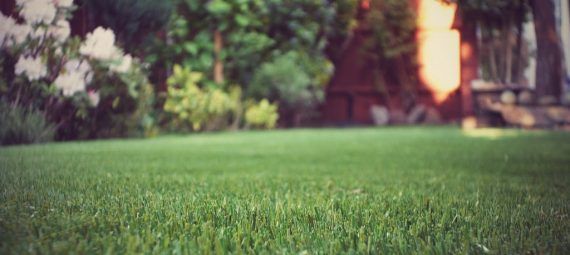
People ask us all the time for some tips or hacks to keep their yard looking amazing, but with the catch of not requiring too much work. Challenge accepted! In response to your questions, we’ve come up with a few hacks anyone can implement that can help your professional landscaping continue to look beautiful and vibrant in between services. Follow these five easy landscaping hacks to keep your yard looking good all year long. Zone and Plan. Are the kids trampling your flowers? Do aphids seem to especially enjoy your garden more than the neighbors’? Get out in front of potential problems with a well-zoned yard. Consider what parts of the yard get the best sun for light-loving and shade-loving plants, and plan accessible areas for pets, guests, foot traffic, and play. Keep delicate plants safe in protected areas, and create walkways with pavers or stones. Consider what parts of the yard work best for entertaining and relaxing, and implement furniture, walkways, and lighting that aid in the transition from daylight into the evening hours. Choose low-maintenance perennials. So many people we talk to love beautiful plants and greenery, but want their annual planting to be minimal as possible. Our answer? Low-maintenance perennials. Many plants, shrubs, and flowers bloom year to year with little need for human intervention, and are especially hardy in cold weather and even droughts. Perennials we love to recommend are chrysanthemums, yarrow, peonies, and daylilies, but there are many more. These are especially hearty, and require little attention. Additionally, yarrow are a deer deterrent, so for people who find deer eating their plants, we recommend positioning yarrow in protective areas around more susceptible parts of the yard. Make watering easier. A well-planned irrigation system can give you back time, save you money, and be a crucial element to a vibrant, flourishing yard. There are many types of irrigation systems possible: in ground, above ground, automatically-timed, the list goes on. Most people use either too much or not enough water on their grass and plants. Heffner Landscaping can recommend and install the most efficient irrigation system for your unique landscaping, and can advise you on the best places to position plants to get the water they need. Let the pros handle or help . Many of our clients are DIY-ers. They love to get out in the dirt and do a lot of their own garden and lawn work. Many other clients are completely hands off, due to their schedules, obligations, or preference. We love to partner with the families we work with to do as much as we can to get everyone’s yard looking its best. We can do everything from mowing to pruning to mulching to irrigation. We install lighting, walkways, retaining walls, and we can consult and complete almost any kind of landscaping project you can imagine. We put your needs and preferences first, and promise to partner with you to get you going towards the yard of your dreams. Favorite and follow your favorite landscapers on social media. To stay up-to-date with tips for your yard, to find new ideas for landscaping, and to see what other folks are doing with their gardens, follow your favorite landscapers on social media. It’s amazing the tips we find online, and we do our best to share them with our followers. You can follow us on Twitter and like us on Facebook . There are many additional places online to find great ideas to incorporate into your own landscaping. Inspiration is all around–tap into it! These are the hacks that we’re proud to share. What tips do you follow to keep your yardwork low-maintenance but your landscaping awesome? Comment, contact us , or tweet us your tips!
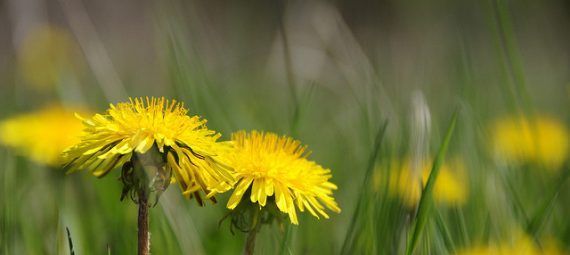
Weeds: the dread of every gardener. Weeds are not only unsightly, but they can choke out even the most vibrant, thriving grass and plants, turning your beautiful yard into an overgrown, unkempt mess. Rather than fighting weeds after they’ve already taken root, stay ahead of their tricky game with a pre-emergent. What is a pre-emergent? Pre-emergents prevent weeds from germinating. A type of herbicide, pre-emergents sit in the top layer of the soil, and block weed growth enzymes. They act like a chemical barrier, protecting your grass and plants from the enemy: weeds. (DYK weed seeds can rest in your soil for years, waiting for a chance to sprout? A pre-emergent blocks the weeds’ long lifecycle, and can prevent years’ of future weeds from growing.) Pre-emergents can be natural or synthetic, and generally come in the form of granules. The granules are put on the ground, and later activated by water. Depending on the concentration, chemical makeup, and application, the pre-emergent can stay in your ground for a few short weeks, or for months. There is no one pre-emergent that will keep every single type of weed at bay, and every yard is at risk for different types of weeds. A consultation with one of our landscape experts can be the first step to determining what pre-emergents will work best for your individual yard, and what additional steps you can take to further prevent additional weeds throughout the year. Ask about the best types of pre-emergents from your lawn, and steer clear of untrusted products that kill all growth, even your grass, flowers, and plants. What types of weeds can a pre-emergent control? Here in North Carolina, we hear our customers reporting that there are a few types of weeds that they are especially interested in controlling during spring and summer. Crabgrass, dandelions, and ground ivy are just the tip of the iceberg, but these three weeds are locally known to quickly overtake your yard and garden, and be nearly impossible to control. (DYK: With the use of a pre-emergent, post-emergent weed sprays are needed less and less as you’ll preempt their growth, and overtime, break the weeds’ lifecycles?) When should a pre-emergent be applied? A common myth is that herbicides should be applied at the same time as visible weed growth. Unfortunately, by the time you can see the weeds, they have already germinated and spread. It is most likely too late to easily take out the weeds without extreme post-emergent intervention. The moral of the story: if you see weeds, it’s too late for a pre-emergent. On the other hand, if you apply the pre-emergent too early, it is likely to get washed away in the rain, or sink down too deep into the soil to affect the weeds that thrive in the top layer. Experts recommend finding out when the weeds in your area begin to grow in the spring, and then applying the pre-emergent two to three weeks beforehand to prevent their growth. (DYK: If you’re too early or too late with your application of pre-emergents, they probably won’t help you much with weed control. If you miss your window, don’t worry. You can still call us to help with post-emergent weed control, and we can go ahead and recommend an earlier time next year to get a pre-emergent in the ground!) Typically in this area of North Carolina, sometime March is a good time to get pre-emergents out, but to be safe, get an exact date window from your local landscaping professionals. If you apply pre-emergents too early or late, you won’t reap the benefits that a well-timed pre-emergent can bring, so call or email us to schedule a consultation to preempt those weeds!
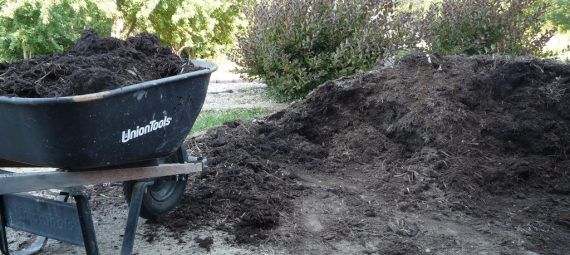
Mulching is wonderful for your garden, protecting plants and soil, and bringing a polished aesthetic value to your property. Mulching as a chore can feel overwhelming, and it can take a lot of thought and time to do well. Mulching can be a complicated process and that’s why you should think about hiring professionals to do it correctly and here are the reasons why: The optimal time to mulch. Depending on the climate and geography of the area mulching needs to be done at different times of the year. Mulching before winter can protect your delicate flowers from the harsher elements. Mulching in the spring will help your garden look on point as flowers bloom and keep weeds at bay. We can help determine when the best time of year is to mulch your garden. Since mulch can settle, break down, and erode, it’s a good idea to keep an eye on your levels and refresh your mulch throughout the season, as needed. The best material for your mulch . Choosing a mulch is perhaps the most challenging part of the entire process, but it is absolutely worth it to select the right material for your climate and soil. Organic materials like wood chips, pine straw, hay, or bark enrich the soil, preserve moisture, and prevent erosion. Because organic mulches do hold moisture, in relatively moist climates, an inorganic mulch may work better to keep the soil from oversaturating, which invites pests and rot. Inorganic mulches include shredded tires and rocks. They do not improve the soil, but they tend to stay put, not log the soil with moisture, and they do not attract pests. As far as colors of mulch, darker colored mulches hold heat and tend to work well in colder climates. Lighter colored mulches reflect light, and can cause surrounding plants to get quite hot. In addition to color, we make sure to keep p.h. levels of soil in mind as certain soil types will thrive with more acidic mulches and others will prefer the mulch be more alkaline. Pull weeds. Just as mulch is good for your flowers, it will also provide nutrients for your weeds, should they be there, and cause them to grow out of control. We make sure to prevent wild weed growth by carefully removing all the weeds from the entire area before laying any mulch down. Lay a protective barrier between the mulch and the ground. To keep additional weeds from choking your flowers we use a biodegradable protective liner like newspaper as protection. There are other materials that can be used as barriers, as well. There are varying professional opinions on landscape barriers, but keep in mind that four inches of mulch will work just as effectively as most weed barriers. Lay down between two and four inches of mulch. Many DIY mulchers forget that mulch will settle, erode, and break down so we make sure there’s enough mulch to cover your flower beds. Since mulch is measured in cubic feet, it can be difficult to determine the cubic feet of mulch you’ll need so a landscaping company will have the correct formula and be able to figure that out easily. Mulching is certainly a process, but your garden will look great and be healthier as a result. Heffner Landscaping is glad to do a consultation to check your soil levels, as well as help you select, prep, and lay just the right mulch for your garden. Contact us today!
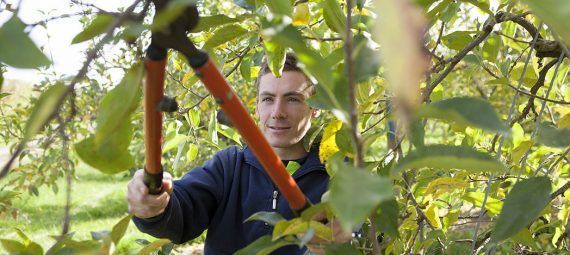
You’ve heard the advice from family and neighbors. You know you need to do it. But let’s face it — you have no idea how or when to prune the different plants in your yard. Read on to find out the basics about pruning, and don’t forget to save our calendar guide showing which months are best to prune which types of plants, shrubs, and trees. Why prune? Pruning involves removing both the living and dead flowers, branches, and limbs of plants, bushes, and trees for the purpose of helping the plant to grow stronger and fuller. Pruning is not only helpful for the aesthetics of your plants and flowers, but it can also improve the health of your foliage. How to Prune? Follow a pruning calendar, like the one below, to ensure that you’re maximizing your plants’ future growth. Use the right tools. Tools should be sharp and clean. At the right time, with the right tools, remove visibly dead foliage: leaves, branches, and flowers. Make clean cuts where branches join stems. To encourage future growth, cut branches at 45-degree angles in the direction you want future limbs to grow. Clean up the refuse. When in doubt, call in the experts. Professional landscapers know how important pruning is, when to prune which plants, and the most efficient way to ensure full and vibrant future growth. When not to prune? From our experience talking with people, we have learned that many people incorrectly assume that autumn is the right time to prune all their plants. The logic sounds right on a surface level: trim back plants to let them rest for the winter. Unfortunately that’s not how pruning works. Pruning actually stimulates new growth. By pruning your entire yard right before winter, you’re essentially telling your plants: wake up! It’s time to start growing now . But as winter is coming, this is the opposite of the message you want your plants to receive as they prepare to rest during the colder, darker months! That said, there are some plants you’ll want to prune in fall. Read on to see a calendar showing which season is best to prune various plants, shrubs, and flowers. When to prune? Follow this seasonal guide and know when to prune any category of plant in your yard. Call us with questions or to get started pruning! Spring . Prune spring-blooming flowers as soon as flowers begin to fade. If you prune spring flowers right away, you may get a bonus bloom. Either way, your plants will be ready for next year’s bloom because you trimmed them immediately. Prune summer-flowering plants in the spring. Since pruning stimulates new growth, you’ll activate your soon-to-flower plants right on time. Shrubs, perennials, and flowering plants should be pruned at the end of winter/beginning of spring for this same reason. Summer. Prune any left-over spring-blooming plants as soon as their blossoms fade, as well as “bleeding” trees, those with heavy sap production like birch, dogwood, maple. Fall. Prune autumn-flowering perennials & annuals after they bloom and fade. After the first frost, cut down these plants and then mulch over them to protect them during winter and to promote next year’s growth. Winter. Prune summer-blooming trees and bushes in winter when bugs and disease are less of a factor. You can also prune these types of trees and bushes in early spring. Also prune deciduous trees and evergreens . Cut off dead limbs and remove branches that could potentially interfere with power lines or buildings. Pruning trees in the winter is best because since there are no leaves on the trees, you can see the tree’s “architecture,” to better shape the tree. Remember, pruning encourages growth and vibrancy, and the winter months are a great time to prepare for spring. Contact us for a consultation or to get your lawn and garden project started today.
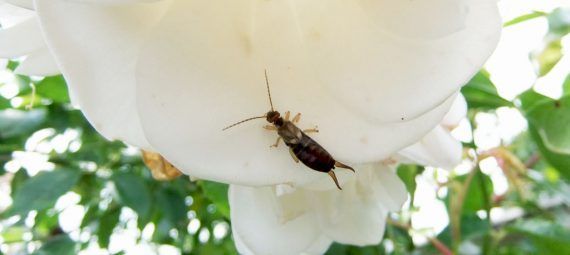
Ever since the earliest days of agriculture, humans have battled local pests for their plants. Whether you’re growing a garden for food, or you are cultivating flowers and plant beds to beautify your property, certain insects can be extremely harmful to your plants. Read on to learn how to identify some common garden pests, and find out what you can do to start the process of ridding your yard and garden of these annoying, harmful bugs. Culprit: Earwigs Evidence: Earwigs are small insects with pincers. Also known as earworms, earwigs will eat holes in the leaves of garden plants and gnaw jagged edges where smooth edges should be. Solution: Though earwigs have wings, they mostly get around by crawling. An easy way to keep earwigs off your plants is to coat the stems of your garden plants with petroleum jelly. The slick jelly keeps earwigs from being able to climb up the plants and eat their leaves. Additionally, birds are a natural predator to earwigs, and the more birds you have around, the fewer pests can harm your garden! How bird-friendly is your yard? To find out how more about how to invite birds to mitigate pests, call us for a pest consultation. Culprit: Aphids Evidence: Aphids are tiny bugs that feed off the sap from inside of plants. As aphids eat, their chewing will cause the leaves of plants to look misshapen or underdeveloped. Leaves that are withered or stuck in an arrested-development phase may have fallen prey to aphids. Aphids also tend to leave behind sap as they eat, so touch leaves to see if you can feel any sticky residue. If you feel sap, it’s likely that aphids are the culprit. Solution: Aphids don’t like water. Spray down your plants with plain water or water mixed with a small amount of non-toxic dish soap. Another natural way to get rid of aphids is to sprinkle flour on your plants. The aphids will ingest the flour, and become constipated and sick. Though these quick tricks may work, natural DIY solutions may not be enough to combat a true aphid infestation. Talk to your lawn care experts about additional treatments to get rid of these tiny plant-eating monsters. Culprit: Cutworms / Caterpillars Evidence: Cutworms are the larvae form of certain kinds of moths, also commonly known as caterpillars. Cutworm eggs can hatch in the autumn, and though these small, fuzzy creatures look innocent, they actually can do incredible damage to gardens and fall/winter plants. While many other pests attack the leaves of plants, cutworms focus on the roots and stems. This can be dangerous because if the root system and stem are compromised, the plants are more likely to perish. Solution: A common natural preventative measure to avoid cutworms is to sprinkle old coffee grounds and/or crushed up eggshells around your plants. These organic substances protect your plants from the ground up. Another way to protect stems and roots is by using old toilet paper rolls cut in half to form a protective tunnel around the shaft of the plant. Finally, by keeping your yard mowed quite short around your garden areas, you will reduce the available shelter for the caterpillars, causing them to go elsewhere for food and shelter. These are just some of the potential pests that can attack plants in our region of the country, and just a few ways to try to combat the harm they cause. If your garden and yard have sustained damage not covered here, or to find out how to make your garden less hospitable to pests, like by making it more bird-friendly, contact us for your customized consultation!
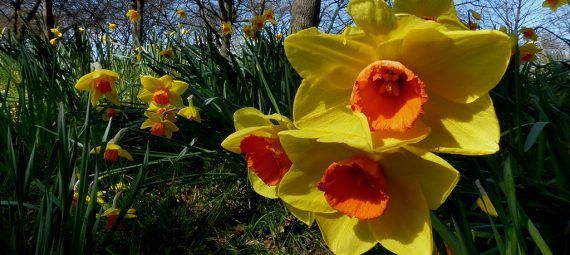
If you love beautiful, colorful spring flowers, the right time to plant bulbs is now ( fall). A yard full of gorgeous, happy flowers is very accessible for springtime, but planning ahead is important. If you live in the southern part of the United States, autumn can be the ideal time to plant bulbs. Since bulbs will remain underground through winter, they stay safe and warm, protected from frost, chill, and the inclement weather that accompanies the chilliest of seasons. Follow these fall bulb planting tips to prepare for a spring of beautiful, vibrant flowers. Consult the experts . Before you get started, talk through your potential bulb-planting plan with your local landscaping experts like the team at Heffner Landscaping . We can do an assessment of your lawn, and ask all the right questions to determine what kinds of flowers you are interested in, what colors would enhance the beauty of your property, where flowers would look best with existing features, and what spots in your yard receive optimal levels of sunlight, drainage, and visibility. If you’re not sure what kind of flowers you’re interested in, that’s okay, too! Our team can assess your entire lawn and garden, and recommend bulbs that would look the best and bring out the best in your yard. Select high-quality bulbs. When you work with professionals, they will make sure that the bulbs that go in your yard are the highest quality. If you elect to order them yourself, do your research first. There is nothing worse than ordering cheap bulbs from a non-repudiable place, and then losing money in the long run when they never come up! Heffner Landscaping partners with only the best local vendors, and our trained experts know how to select bulbs that are healthy and strong. When in doubt about how to select bulbs, refer back to tip number one and consult the experts! Stay in the sun. As you’re developing your flower plan and selecting quality bulbs, remember that bulbs need and love the sun. Think about what your yard will look like in the spring when the bulbs begin to pop through the soil. Most likely your deciduous trees will not have full leaves in the early spring, as they’re just coming back to life, too, so planting bulbs like tulips around your trees tends to work well. Just make sure wherever you do plant that there are not any obstacles to direct sunlight like evergreen trees, hills, walls, or buildings that cast long shadows or shade. Plant at just the right time. Every climate zone is slightly different. Even across one singular state or region, there can be several climate zones depending on proximity to the coast, altitude, and a multitude of other factors. Typically bulbs shouldn’t be planted too early, or you’ll risk losing them to disease or fungus. Planting them too late results in them not being insulated properly, and you could lose them to the changing weather and plunging temperatures. A safe rule is to plant bulbs about six weeks before a deep frost hits your region, when nighttime temperatures range between 40 and 50 degrees Fahrenheit; that is around mid-autumn. Fall is upon us. Schedule your bulb consultation now and get started down the path to a beautiful yard of flowers waiting for you in the spring!
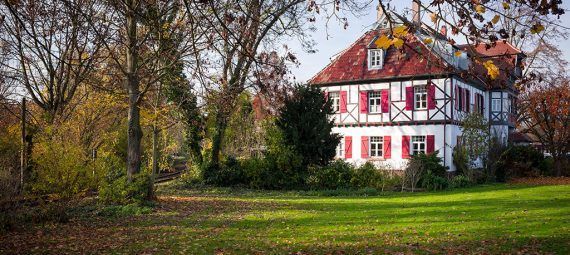
We hear the warnings every fall that winter is quickly approaching. How do we prepare for winter? Perhaps by getting the warmer clothes out of storage, buying a new coat, or planning a weekend on the slopes or enjoying other outdoor activities. We prepare for winter with our schedules and our clothing, but how prepared are our lawns and gardens for winter? Even if you haven’t thought about winterizing your lawn yet, don’t worry, there’s still time. Keep reading to find out some simple things that you can do on your own and with the help of your landscaping company to prepare your lawn for winter and protect it for the months to come. Regularly rake your leaves. We all know what happens when fallen leaves cover healthy grass for extended periods of time. Compound the leaf cover with cooler, darker weather, and we have increased risk factors for trouble. Since fungus and mildew thrive in cool, dark environments, when grass gets trapped under the weight of dead leaves, it will most likely become diseased or infected and can easily die from lack of access to sunlight and nutrients. All this can be easily avoided by keeping up with autumn raking. It is helpful to call in landscaping experts to regularly help with raking especially if you have a large property or more than just one or two of trees. Don’t let something as simple as not raking leaves permanently damage your lawn! Don’t stop mowing too soon. Many people feel the first chill in the air and think, “Finally I can justify not mowing anymore!” Don’t fall prey to this myth! Grass still needs to be trimmed in the cooler months because even during the coldest months, grass doesn’t stop growing; it just slows down. This means that you should continue to have your lawn mowed through the fall, and then you can go longer periods between mowing in the winter. Adaptations should be made as the weather changes, though. As the temperatures start to get colder, talk to your lawn care expert about gradually lowering the mower blade. Shorter grass allows the remaining sunlight full access to the grass’s crown, and keeping your lawn happy and healthy even as the days become colder and darker. Experts agree that your lawn will be healthier and greener in the spring if you continue having your lawn trimmed through the autumn and even the winter months. Prune the healthy; purge the unhealthy. If spring is the time to clean out the inside of your house, fall is the perfect time to prune and purge your yard! Trim back healthy plants, giving them a chance to rest during the winter and grow stronger and fuller in the spring. If you see diseased or unhealthy plants, or if you have parasitic weeds or vines growing around healthy trees and plants, now is the time to purge. Not sure which plants are healthy and which ones should go? Questions about how to best prune healthy plants? Rather than take a chance on losing healthy plants or keeping diseased plants in your yard, call in professional landscapers for a consultation. Protect delicate plants and flowers from the elements. There are many ways to protect your plants from the elements. Mulching is one of the most common ways to insulate delicate bulbs and roots. Landscapers can advise on the right mulch materials, as well as how much mulch to put down. Other ways of protecting your lawn can more creative like wrapping plants in burlap or putting potted plants inside of another insulated pot. Concerns about winterizing are common. No one wants to lose the gorgeous lawn they worked all summer for. Heffner Landscaping understands the anxiety that end-of-summer lawncare can cause. We would love to help you get ready for the next season by doing a winter-weather consult with you. Contact us to get your yard ready for winter!

Outdoor commercial landscaping can be the deciding factor for new customers as they approach your building, and can encourage–or discourage–existing clientele from returning. If not carefully cultivated and tended to, your business’s landscaping can actually deter people from trusting you and your brand. On the other hand, a nicely landscaped yard with rolling green grass and well-placed bright colors and lighting can lend credibility to your business, as well as provide a warm welcome and a positive association with your brand.
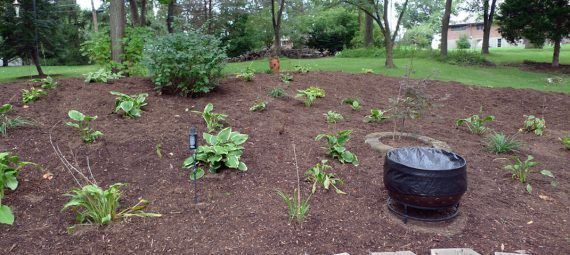
Mulching is one of the best things you can do for your lawn and garden. Not only is mulching an attractive way to make your plants and flowers pop and keep your lawn looking its best, mulching also provides additional benefits . Read on to see just how many benefits mulching can provide to your yard! Mulch is customizable. There are many different types of mulch, depending on why and what you’re looking to mulch. If you are hoping to achieve a specific look or integrate certain colors, you can certainly find a mulch to match your color scheme. Mulch contributes to your garden appearing cared for and polished. Beyond simple aesthetics, there is a science to mulching. If your soil craves certain types of nutrients, if you’re hoping to minimize weeds, or if you need to insulate your newly planted tree roots, there are different mulches optimized for each specific need. To make sure you get started with the right mulches, consult with an experienced landscaping company like Heffner Landscaping , and we can point you to the right mulch for your specific yard and opportunity. Mulch can prevent soil erosion. One of the reasons mulching is most important is because it’s a great way to keep your soil from eroding. By protecting the soil from direct contact with wind and rain, mulch helps keep your soil in place. Finding the right amounts and densities of mulch can be tricky. To avoid over-mulching, consult professional landscapers to assess your risks of erosion and the optimal places and amounts of mulch to use to optimally keep your soil protected. Mulch keeps weeds at bay. Another common use for mulch is to control weeds. By not allowing the sun, rain, and nutrients unfettered access to your soil, you suppress weeds and other unwanted plants from gaining foothold and taking over your flower beds. A key to keeping weeds away is to apply the mulch to a completely weed-free area. If you haven’t properly weeded before you mulch, your mulch may not serve its purpose very well! Using the correct amount of mulch is also important for weed suppression. While most mulching projects require about two to four inches of mulch, mulch to keep out weeds may require a bit more than the typical amount. Consult the professionals to make sure you’re getting the best use from your mulch! Mulches can keep your soil healthier. Because mulches cover your soil, they not only keep the soil temperature more regulated, they also protect it from overexposure to the elements. Mulch also keeps your soil from compacting, ensuring it stays loose and can get proper air and nutrients. Speaking of nutrients, organic mulches like wood chips, pine needles, grass clippings, and leaves can invite earthworms. Earthworms are good for your soil structure, and promote full, healthy nutrient cycles in the soil. Organic mulches do decompose, contributing to your top soil’s nutrients. While this is a good thing, organic mulches are not permanent, and should be replaced annually to keep your soil at its healthiest. There are many other benefits of mulching, too. Find out more by contacting the experts at Heffner Landscaping . We’d love to start a conversation with you about which mulch is best for your yard to help you avoid erosion, keep weeds away, and maintain healthy soil.
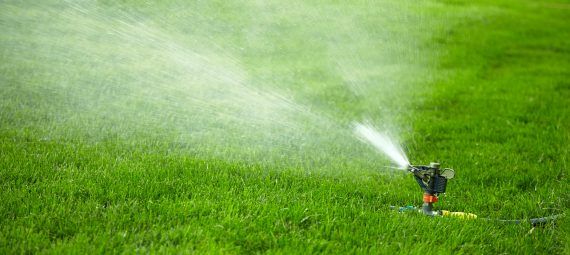
You’ve thought it before–we all have: how often should I water my grass? Are the summer months different than the winter months in terms of water needs? What if I live in an area with restricted water resources? Wonder no more! Today we are going to answer all your questions about how often you should water your lawn–in all seasons and across a variety of situations. How much water does my lawn need? Between natural rainfall and irrigation, lawns need an estimated inch to an inch-and-a-half of water per week. This number is just an estimate though, and to find out exactly how much water your particular lawn needs, it’s best to consult with lawn care experts. Professional landscapers like those at Heffner Landscaping can determine the precise amount of hydration for your yard, and can help make sure you fully maximize natural rainfall and irrigation for a beautiful lawn. Pro tip: If you can easily push a six-inch screwdriver into your lawn in any random place, you’re probably doing well on water levels! How often should I water? Experts agree that it’s generally better to give your lawn a thorough, deep drink two or three times per week rather than watering a little bit every day. By watering less frequently and more deeply, you can avoid your grass developing a shallow root system, and encourage healthy, balanced growth both into the ground and up towards the sky. Irrigation can be built into your lawn care package, and letting the pros tend to your watering not only takes the guesswork out of when to water, but also allows you to focus your energies on enjoying your yard, rather than constantly worrying about irrigation. Pro tip: If you live in hot, arid areas with scorching summer sunshine, you should most likely water your lawn more than the average recommended amount. Professional landscapers can help you determine how often to water, and can provide a schedule for DIY-ers or can take over watering for those who prefer a more hands-off approach. When is best to water? Traditional wisdom says never water your lawn during the middle of the day when the sun is at its hottest. If you water in the middle of the day, the water will evaporate more quickly, and your lawn won’t get the most out of your irrigation. Morning and evening are better, but morning is best. By watering in the morning, you ensure that your lawn has ample time to completely absorb all the water, and dry thoroughly through the day. Talk to your lawncare professionals at Heffner Landscaping to determine when your yard would most benefit from hydration because no two lawns are identical. Pro tip: Though it is okay to water in the evening, be careful not to oversaturate your yard late in the day. Water can cling to the blades of grass, and can cause diseases and funguses to grow during the cool, dark nighttime hours. If you notice unhealthy patches of grass, call Heffner right away to troubleshoot and heal your yard. What if I live in a drought or restricted watering area? The best way to take care of your yard if you live in a drought area is to plan ahead. Professional landscapers can help you prepare for the worst and keep your yard looking its best by recommending appropriate times to seed, consulting on how to select plants and flowers that will require less water, and providing insight on how to optimize the precious little water you can spend on your lawn. Pro tip: You can buy a $10 timer from most home supply stores. Ask your local experts at Heffner Landscaping how long to set your timer for to get the most bang for your watering buck.

As you’re searching for the best lawn care provider , the most important factor to consider is a superior staff. With a highly qualified, friendly, and experienced local company, you can be sure that you will get not only the best possible lawn care, but also the most value from your investment, and ultimate satisfaction from your beautiful lawn and garden. A superior staff, like the staff here at Heffner Landscaping and Ground Management , will go above and beyond to develop meaningful relationships to ensure you’re satisfied with (and excited about) your lawn. Keep reading to find out more reasons why a superior staff means you’ll get the best lawn care. Superior staff deliver customized lawn care packages. In caring for your lawn, it’s important that your lawn care company provide you with more than just a one-size-fits-all menu of services. Your property and your vision for your lawn and garden are vastly different than those of your neighbors or the folks up the road. At Heffner Landscaping , our team understands the uniqueness of each of our partner-clients, and we work with you to not tell you what you need, but rather, to listen to your vision, and ask the right questions as we qualify and customize our services to fit exactly what you’re hoping to achieve. Forget out-of-the-box lawn care! Our amazing staff is prepared to build a customized lawn care package just for you. You get solutions , not just services. It is our promise that we will provide top-notch service from fully trained, highly qualified skilled lawn care specialists. But we don’t simply provide the most basic services on the market; we go out of our way to make sure that you are fully satisfied with your yard’s fullest potential. We do so much more than mow grass (but we do mow grass well)! We’ll be more than glad to help troubleshoot your drainage issues by coming by after a rainstorm to investigate problem areas, or walk your property with you to help you select the best spots for built-in lighting to provide safety and visibility for your family and guests. We’re not your traditional landscapers–we are artists, scientists, and problem solvers who look forward to new opportunities to get to know you and your lawn, and to implement comprehensive solutions to beautify and enhance the value of your property. You deserve a partner who is as invested as you are in your lawn. At Heffner Landscaping , we are as invested in our work as we are in the people we provide solutions to–you! We see each client as a partner. You’re not just an address or an account to us–you’re a person with a family, a unique set of desires for your home, and a vision for how you want your yard to reflect your taste, personality, and values. We promise to work with you–not steamroll you for what might be easy or take less time. We want you to be pleased with the work we deliver, and so our team members understand the value in cultivating relationships with each person we have the privilege of partnering with. Our people make all the difference in delivering customized solutions to our partners. A lawn care company with a highly qualified staff means that you’re not just treated like everyone else–and neither is your lawn. At Heffner Landscaping , we have a scientific method to inquire about your unique needs, qualify and customize our work to what fits best for you, and develop meaningful partnerships as we competitively implement ongoing solutions to beautify and maintain the dream-yard you’ve always wanted. Are you ready to get started on your own customized lawn care solutions? Contact us via our website or call us now at (910) 692-2565.
In our last post , we talked about five top trends in landscaping that center around sustainability. Over 800 landscape architects were surveyed to find out what their clients around the country are asking for to keep their yards spectacular and sustainable. Keep reading to uncover five more amazing ideas to take your yard from good to great. Fire pits and fireplaces – 75%. Especially in the summer and fall months in North Carolina, a fire pit or outdoor fireplace is the ideal location to spend time outside with friends and loved ones. Keep the bugs at bay, and use the fire to prepare delicious outdoor meals and snacks like charcoal-grilled chicken and s’mores. Fire pits and fireplaces add ambiance to your property, as well as increase the curb appeal and charm of your place. Now, who’s ready for some s’mores?! Food / vegetable gardens – 75%. Gardens are popular for those who love gardening, but also can be achievable for those who don’t! Your landscape architect can help you figure out exactly where to plant your garden for optimal sunlight and shade, as well as when to plant and harvest, and how to keep pesky rodents away. They can also help you with the actual gardening itself if you are not a “green thumb.” Whether you’re planting salad fixin’s, watermelons for evenings on the porch, or hearty vegetables to freeze for winter, gardening remains a top pet project for those who are interested in clean eating and growing their own food–even if you need a little help along the way. Rain gardens – 73%. Many homeowners complain that rainwater from their gutters, driveways, and roofs over saturates their yard, and causes unseemly erosion. In warmer areas, standing water can also attract bugs, and turn your yard into a swampy mess. Rather than drowning your plants and eroding the ground with surplus water, consider installing a rain garden. A rain garden is simply a hole or a depression in your yard with plants on and around it that allows rainwater and other other runoff water to be properly channeled and absorbed. Not only will your yard have a better chance to flourish, but rain gardens have been proved to decrease the pollution reaching rivers and streams by up to 30%! Drip/water-efficient irrigation – 72%. Drip irrigation allows water to slowly trickle to the root systems of plants, rather than completely inundating the plant with water. Your landscape architect can help you decide the best method to conserve irrigation water, whether it be through a below-ground piping system, a network of valves, or by using above ground methods to wisely water. Though water-efficient irrigation can require extra planning, the money and water you will save is well worth the effort, benefitting your yard, your bank account, and the environment. Reduced lawn area – 72%. One of the best ways to maintain a sustainable lawn and save money and time, is to reduce the size of your lawn itself. By incorporating a patio, firepit, permeable paving, or some of the other suggestions from our top-ten list, you can reduce the time and efforts it takes to keep up with plants and grass, as well as reduce noise pollution from lawn care tools, enhance your biodiversity, and increase your property value. What trend didn’t you see here that you’d like to learn more about? Comment below to let us know!
As you’re thinking about how to best design and maintain your lawn and garden , it can be helpful to take note of the top trends in landscaping . Every year, the Residential Landscape Architecture Trends Survey is conducted by the American Society of Landscape Architects, or the ASLA. This year, landscape architects across the country rated how popular certain design elements and landscaping fixtures would be in 2016. Over 800 architects responded, and they overwhelmingly echoed that the trends of the year are all about sustainable, low-maintenance designs that can reduce water and electricity costs to homeowners. We will be talking about the ten projects that topped this year’s trend list, and the percent of landscape architects who voted for them. Let’s dive into the top five today, and check back soon for five more awesome top trends in landscaping for 2016. Rainwater and graywater harvesting – 88% . Because there are many things you can do with harvested water, including watering your own lawn and garden, it’s no wonder this trend tops the list. Many folks ask us about the difference between rainwater and graywater, and when to use each. Rainwater is fresh water, just fallen from the sky. You can use rainwater in your garden, toilet flushing, and laundry. Graywater is water that has been used once already, like water that comes through your shower, dishwasher, or washing machine. Graywater can be used for watering your lawn, and for flushing your toilet. If you’d like to recycle your graywater, make sure you use graywater safe products. And as a special note, most kitchen sinks produce blackwater, not graywater, and this water is not safe for recycling due to the bacteria that can be produced when preparing uncooked meats. When considering what is graywater, it’s almost everything except the kitchen sink, and of course, the toilet! Native plants – 86%. Native plants grow naturally in your region without human intervention. Some of these plants you will see just popping up in your yard, and others are easily cultivated since they are indigenous to your temperate zone. Local landscaping architects will have a good sense of what these plants are, and can help you select the ones that will thrive and flourish best in your own lawn and garden. Native/adapted drought-tolerant plants – 85%. With sustainability as a top trend, it’s no surprise that drought tolerant plants are in the top three trends of the year. These plants need little extra watering, and can often survive with just natural rainfall. Drought-tolerant plants are ideal for people who are very busy, forgetful, or who split their living time between locations. Some popular drought-tolerant in North Carolina are butterfly milkweed, climbing asters, Carolina lilies, and eastern prickly pears. Low-maintenance landscapes – 85%. Who doesn’t prefer low-maintenance landscaping? With half of Americans working more than 40 hours per week, keeping it low maintenance in this day and age is a must. Shrubs and tolerant grasses can look beautiful, and not require a lot of upkeep. Drought-tolerant plants can also fit in this category, since they don’t need you to vigilantly water them. Permeable paving – 77%. Perhaps you’ve heard of permeable paving, but weren’t quite sure what it meant. Permeable paving includes a variety of porous, sustainable materials that allow water to move through the base and subbase. This type of paving not only helps reduce excess runoff water, but it also can trap pollutants from water. Talk to your landscape architect about the types of permeable pavers that would be most appropriate for your property. Check back next week for five more top trends in landscaping , and comment below with your guesses about what else is on this list.