
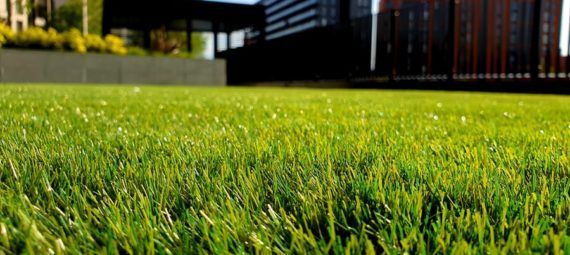
Overseeding lawn care guide: When, how and the best time to overseed You have worked so hard taking care of your yard, making sure your grass is getting just the right amount of irrigation and fertilization. When you mow, you are mowing at the appropriate length, ever so careful not to mow too short. You’re limiting footsteps from trampling pathways in your lawn and you are only allowing pets in certain areas of what is supposed to be your little slice of green heaven. So why is your green grass fading? Why is the thickness thinning to near balding, and the lushness feeling more like hay beneath your bare feet? What is Overseeding? Overseeding is the process of adding seed to your lawn that already exists so that you will have thicker grass that is greener and much lusher. Overseeding eliminates the necessity to turn your soil. If you overseed you are going to combat bare spots in your lawn, but it’s important to realize that there is a science to all aspects of lawn care and hiring a professional in North Caroline like Heffner Landscaping to assist you may be the least stressful and easiest way to achieve the beautiful lawn you desire. Why Overseed? Overseeding is one of the best choices for you if your lawn has been subjected to insect or disease damages, or drought stress that has stifled growth. If your lawn has fallen prey to any of these horrors, you will start seeing thinning grass, fading color and/or spots where your lawn seems to be balding. What are the Lawn Types in North Carolina There are several types of grass that will thrive very well in the climate of North Carolina: Bermuda Grass Centipede Grass Tall Fescue Fine Fescue Perennial Ryegrass Kentucky Bluegrass Zoysiagrass When overseeding, whether it be in the spring or fall, it is your opportunity to mix newer seed types in with your existing grass. If you just bought the home, it’s possible that the person who was caring for (or not caring for) your grass in the past utilized a seed that is not suitable for North Carolina and just isn’t resistant enough for disease and pest issues. Fall Overseeding If your lawn is one or more types of cool-season grasses fall is the optimal time to introduce new seeds. If your lawn has just a few problematic areas where it is damaged, thinning, or the soil is showing through then spot seeding is the more appropriate treatment for the problem. Overseeding is utilized when the entire lawn has thinned and needs to be treated as a whole. Spring Overseeding The proper time to overseed depends on the type of grass you already have. Overseeding in spring can produce pleasing results aesthetically for your lawn. If the overseeding process is performed early enough it will give the seedlings the time required to grow before the summer heat comes creeping in. Spring overseeding is quite similar to fall in the procedure and even benefits. It depends mostly on the type of grass you have as to whether or not you feel you should choose between the two rather than doing both. When choosing the spring process, it is important to monitor your soil moisture. Soft seedlings will need frequent watering but not in heavy doses in order to establish their roots before the soaring temperature and precipitation devoid days and nights of the summer roll in. How to Optimize Your Overseeding No matter if you overseed in the spring or fall, it will be greatly optimized when the process is combined with lawn aeration. Lawn aeration is the process of taking small plugs of soil from the lawn. This is called core aeration. This permits fertilizer, oxygen, and water to permeate the turfgrass roots and opens up the flow for seed-to-soil contact. The process promotes the germination of the seeds spread during overseeding and will encourage the growth of the young seedlings. Overseeding should be done first followed up by aeration. Aerating before overseeding can be beneficial as well but post-aeration is essential to get the best results from the overseeding process. How is Seed Applied when Overseeding? The seed is usually applied with either a rotary or a drop spreader. If the seeds are split down the middle each part is spread in a different direction you are giving the lawn a better chance to show the coverage of the overseeding process. Some folks may think that overseeding is just a matter of tossing grass seed in the yard and “Letting it do its thing” but there is much more involved in the process. Lawn care requires the know-how, the ins and outs of the specialized equipment and the timing of the follow-through process to make a program successful, the type of knowledge and professionalism offered by Heffner Landscaping.
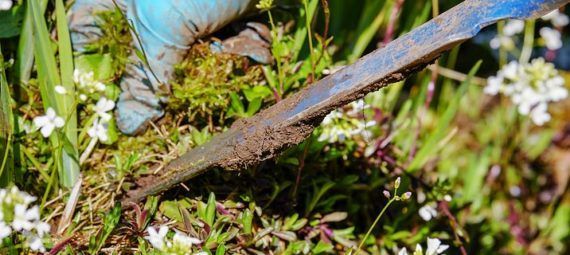
Important Tips For Controlling Weeds Today, lovely grounds surrounding homes in North Carolina benefit from vigorous weed control efforts. The specific measures used to prevent the growth of unwanted plants depends upon many factors. This brief article discusses some measures Heffner Landscaping recommends to help curb the growth of several common weeds. Why should homeowners and property management firms select a landscaping firm capable of implementing targeted weed control efforts? First, some widespread varieties of weeds thrive specifically because these opportunistic plant species grow vigorously in lawns and gardens. Unless controlled, they usurp resources essential for the survival of less robust, domesticated flowers and grasses. An uncontrolled weed population crowds out other, more desirable, plantings. Many weeds reproduce with ease. They flourish in harsh environmental conditions, and their seeds possess the capability to lie dormant for extended periods of time. Second, some weeds impact lawn and garden environments in unpleasant ways. For example, crabgrass, a notorious lawn villain, produces large quantities of sharp burrs. These hard, spiked seeds cling to clothing, pet fur, and exposed skin. They sometimes produce painful injuries, preventing people and their animal companions from fully enjoying lush green outdoor spaces. By taking appropriate steps to eliminate unwanted weeds from the yard, a skilled landscaping company assists clients in creating more comfortable residential settings. Weeds: A Diverse Group of Plants Heffner Landscaping strives to supply highly targeted methods for implementing weed control. Spraying herbicides indiscriminately across the grounds sometimes destroys valuable, helpful plant populations. This simplistic strategy may cause more harm than good. A “one size fits all” approach won’t work effectively in dealing with invasive weed infestations. Instead, we recommend directing control efforts towards specific problem plants. A variety of useful measures assists landscaping firms in this era. It requires the correct identification of weeds and the selection of the best preventative strategies A grounds keeper enjoys a number of useful methods for promoting the growth of certain plants and restricting the growth of others. Just consider a few of the approaches which may work well to destroy specific types of unwelcome weeds: Physically removing individual plants by hand Changing the soil pH to create unfavorable growing conditions for certain species Planting competitors Using targeted herbicides at specific times of the year Applying mulch or other coverings to prevent seed germination Controlling the distribution of essential garden resources, such as water or fertilizer. By using these measures in conjunction with knowledge about specific weeds, a careful gardener helps create a resilient, healthy landscape. Controlling Common Weeds Consider using these strategies to control common weed pests in Moore County. Weeding helps create stunningly beautiful, very healthy, lawns and gardens. By preventing the growth of weed populations, homeowners and their landscapers promote eye catching settings! CrabGrass Crabgrass infestations pose a significant problem in many parts of Moore County today. This annual plant spreads extensively from both underground roots and germinated burrs. If allowed to remain uncut, it may attain a height of 24 inches, more. It produces copious quantities of burrs beginning in mid-summer. They resist environmental changes and may remain dormant in a yard for up to three years. The best permanent solution for crabgrass involves immediate removal of the entire plant. Frequent, regular mowing also proves helpful. By trimming back this weed on a regular basis, homeowners help prevent the formation and spread of its burrs. However, since the grass blades may extend horizontally (as well as vertically), eliminating crabgrass offers a more effective long term solution. To prevent a resurgence of this noxious plant, take steps to encourage the development of thick, healthy turf. Dandelions Dandelions produce brightly colored golden flowers. Their leaves provide a great source of Vitamin A; earlier generation once cultivated this weed in vegetable plots. Unfortunately, dandelions (like many weeds) proliferate with gusto. They easily take over lawns and gardens in North Carolina, sending airborne, puffy seeds throughout the immediate vicinity. Unless property owners remove their roots completely, plucked dandelions will re-emerge again in the future. Experts recommend removing dandelions completely by digging out the taproot. Additionally, maintaining a lush lawn helps control the spread of this common weed. Pigweed Pigweed in the past did not pose an extensive problem in North Carolina, but this weed adapts and spreads vigorously and it has flourished during recent years. Often found growing near cotton and soybean crops, today it has reportedly reached locations as distant as Australia. Many experts recommend annual spring and fall mulching to prevent the development of pigweed infestations. Remove individual pigweed plants quickly through extraction of the tap root to help reduce the growth of this invasive pest. White Clover White clover, a popular source of nourishment for honey bees, constitutes a weed when it takes over lawns. Landscapers help prevent this result by ensuring lawns receive adequate quantities of nitrogen and phosphorous to encourage vigorous turf growth. (If you notice a significant growth of White Clover on your North Carolina grounds, consider obtaining regular lawn maintenance services from a company such as Heffner Landscaping. Common Ragweed This perennial weed creates discomfort for people who suffer from allergies by producing high volumes of pollen in the Spring and early Autumn. Control its growth in a lawn by mowing frequently. Developing a thick, healthy lawn helps control common ragweed infestations. In the worst case scenarios, it may prove useful to use limited applications of herbicides in badly infested yards. Contact Us Our company offers expert weed control assistance. We serve customers across Moore County. Request our services to help develop lovely lawns and gardens!
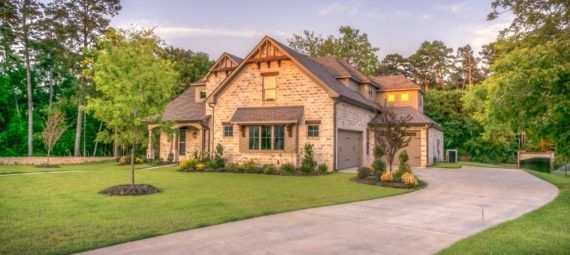
Why use a landscape contractor when you’re already pretty good at mowing the lawn yourself? Here are five benefits of hiring a professional landscaper that might surprise you. 1. Energy Efficiency Shade trees are an important way to connect outdoor design with environmental awareness. An expert landscaper can not only make your property greener but also make it “greener.” At Heffner Landscaping, we pride ourselves on caring for the environment. We try to minimize our own carbon footprint, and we can help you minimize yours too. Here are three ways a landscaper can make your greenery “greener:” Trees not only look beautiful; they can also provide mini-habitats for local wildlife. A single tree can act as an ecosystem that can support intricate webs of animals, plants and other helpful organisms. A professional landscaper can tell you what kinds of trees will be most supportive to your local flora and fauna. Trees also create oxygen and can act as carbon sinks. They soak up carbon dioxide and other harmful greenhouse gases that could otherwise end up in the atmosphere. If situated correctly, trees can help regulate the temperature in your home. This can lower your cooling and heating bills considerably and help to minimize your carbon footprint. According to data provided by the American Public Power Association, a well-designed yard with shade trees in strategic locations can bring your total air-conditioning bill down by as much as 50%. The tricky thing is, though, this won’t work by just planting any trees anywhere. Ask an expert landscaper to give you suggestions of which trees will be most helpful for our climate here in North Carolina, as well as where they should be planted. 2. Safety Landscaping isn’t just about the vegetation. An expert landscaper can actually make your property safer. Besides taking care of your flora, Heffner Landscaping also provides hardscaping services. Hardscaping is a kind of landscape architecture that involves manicuring the actual ground beneath your feet. We can add subtle physical touches to your garden, such as walkways, retaining walls, and patios. This can not only make it easier to get around, it can also make your yard safer. A well-placed and well-built pathway meandering through otherwise treacherous terrain can save you or a more fragile relative from a disastrous fall. Hardscaping can also make your property safer by installing a lighting system in your yard. Outdoor lighting can illuminate and beautify your home. It can highlight special features of your garden or be the perfect finishing touch to line your walkways. It can also be a safety hazard. Using a professional to install your outdoor lighting system is the best way to prevent fire hazards or electrocution. Professionally-installed pathways and patios can also help prevent trip hazards and property damage. 3. Noise Reduction Although it won’t work miracles, a properly-landscaped yard can help reduce unwanted noise on your property. A recent study by the Environmental Protection Agency showed that surrounding your home with the right kinds of trees in the right places can actually cut noise pollution in half. If street noises or loud neighbors are constantly grating on your ears, why not replace them with the sounds of North Carolina singing birds or peaceful rustling leaves? An expert landscaper can work with you to create a wall of natural sounds that can mask annoying wavelengths and keep the outside world outside. 4. Plant Health You may be able to notice when your plants or your lawn are doing really bad. Yellow grass and dry leaves are sure signs that something is wrong. An expert landscaper can read much subtler problem signs and address issues before they turn into catastrophes. Do you know how to keep your soil’s pH balance within its optimal range? Can you tell when your lawn needs more nitrogen and when it’s had too much? Your landscaper can. Landscapers are experts on plant health. We know how to promote plant growth and how to keep growth in check. We can tell when your garden needs fertilizing and when it needs pruning. If you don’t have the time to study up on drainage, transplanting or the effects of tree shade on the shrubs below it, just leave your yard in the hands of professionals. Expert landscapers have studied the latest tricks and treatments that can keep your lawn green and your plants thriving all year round. 5. Real Estate Value A professionally-landscaped property can attract home buyers like a beautiful garden attracts honeybees. You may not be thinking about selling your home any time soon, but regularly hiring expert landscapers can increase your property’s resale value in case you ever need to move. No one wants to buy a home with a tornado for a yard. If it isn’t already intuitively obvious, real estate statistics clearly demonstrate that 60% of buyers admit they base part of their decision about which home to buy on the condition of the yard. Keeping your grounds in tiptop shape is an investment in your future. A good rule of thumb we’ve found is that investing just 5% of your home’s value into landscaping can up its market value by as much as 15%. Bonus Point: Professional Equipment Most large-scale landscaping projects require the use of professional tools and equipment. Even if you’re willing to spend money on renting or buying the right equipment, you’ll still have to study up on how to use each one and find a place to store it all once the job is done. At Heffner Landscaping, we already have all the tools needed for every specialized job imaginable, and we’re experts at using them. Instead of building another storage shed on your property, you can hire North Carolina’s best landscapers to get the job done. We’ll bring all the equipment needed, take it with us when we leave, and you can use the extra space to plant another tree instead.